
Bleach Painting · Clothing Art · Handmade Designs
Bleach Art: The Complete Guide to Bleach Art on Clothes
Bleach art is a creative technique in which an artist removes color from dark fabric to build lines, highlights, shadows, and detailed images. Unlike a printed design or paint applied on top of clothing, bleach painting changes the original fabric dye, making the artwork part of the fabric itself.
In this complete guide, you will discover how bleach art on clothes is created, which fabrics and materials work best, how long the designs last, where to find inspiration, and how to order your own one-of-a-kind piece of wearable art.
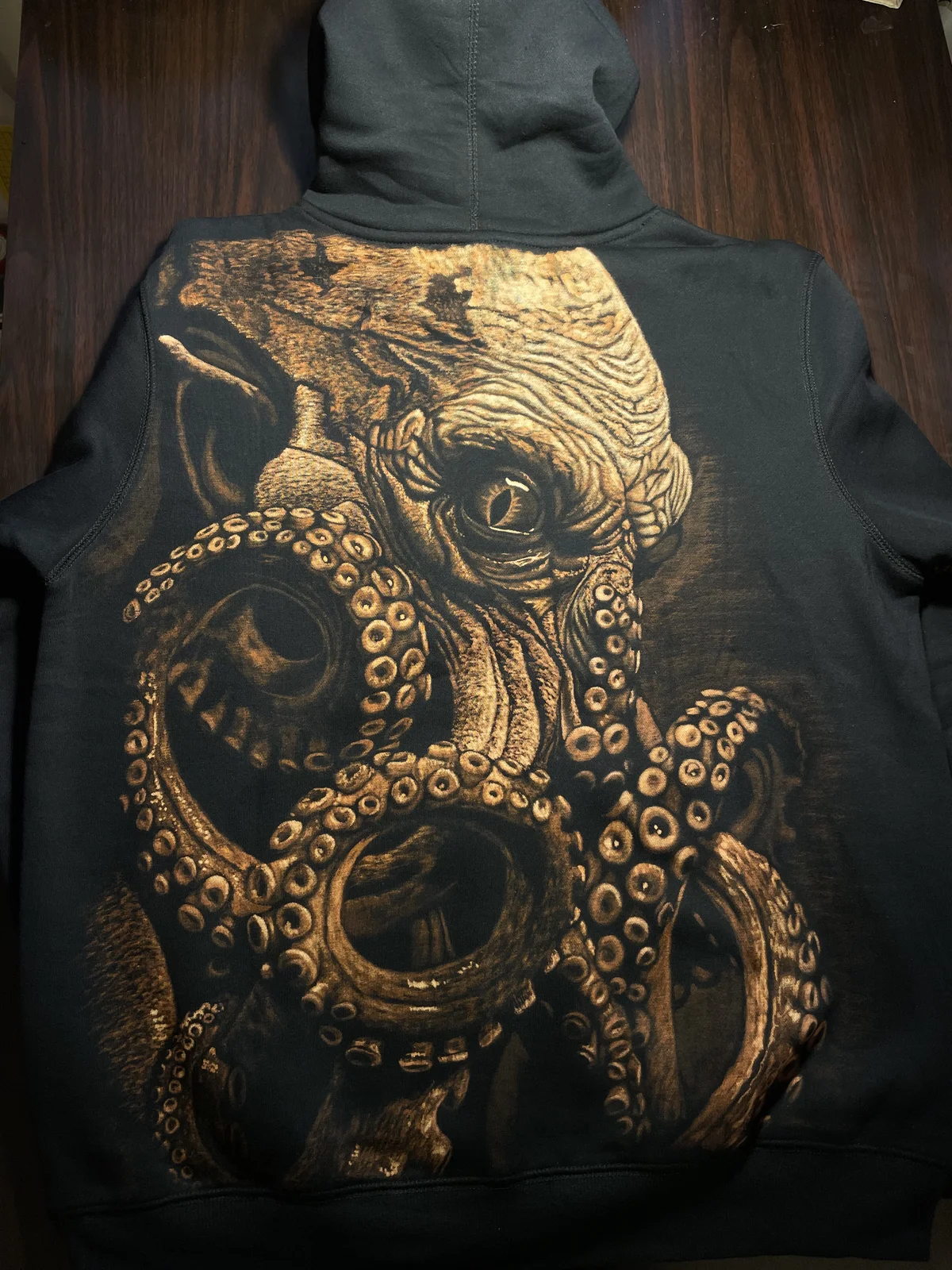
Technique · Contrast · Handmade Detail
Bleach Painting
Bleach painting transforms dark fabric into a canvas, but instead of adding pigment, the artist carefully removes the original dye to reveal hidden tones underneath.
Bleach Painting vs Traditional Fabric Paint
Traditional fabric paint sits on top of the material and adds a new layer of color. Painting with bleach works in the opposite way: every brushstroke changes the fabric dye itself. The result feels integrated into the garment rather than printed or coated onto its surface.
The terms bleach painting, bleach drawing, and bleach art are often used interchangeably. “Painting” usually emphasizes brushwork and tonal transitions, while “drawing” highlights precise lines and details. In practice, complex artwork often combines both.
See the transformation happen brushstroke by brushstroke
Watch real bleach painting videos and see how a plain black garment slowly becomes a detailed piece of handmade wearable art.
Watch the Bleach Painting Process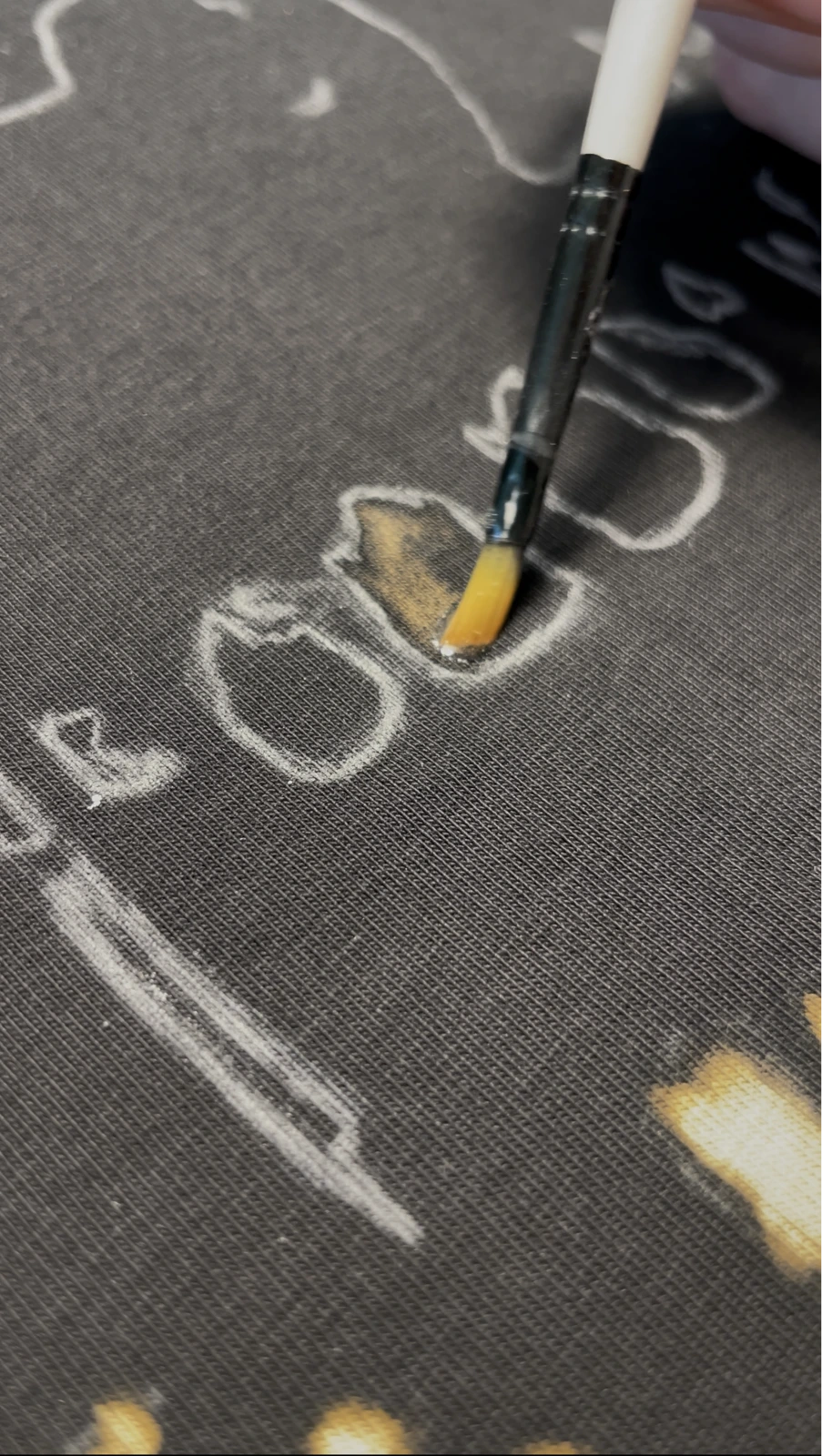
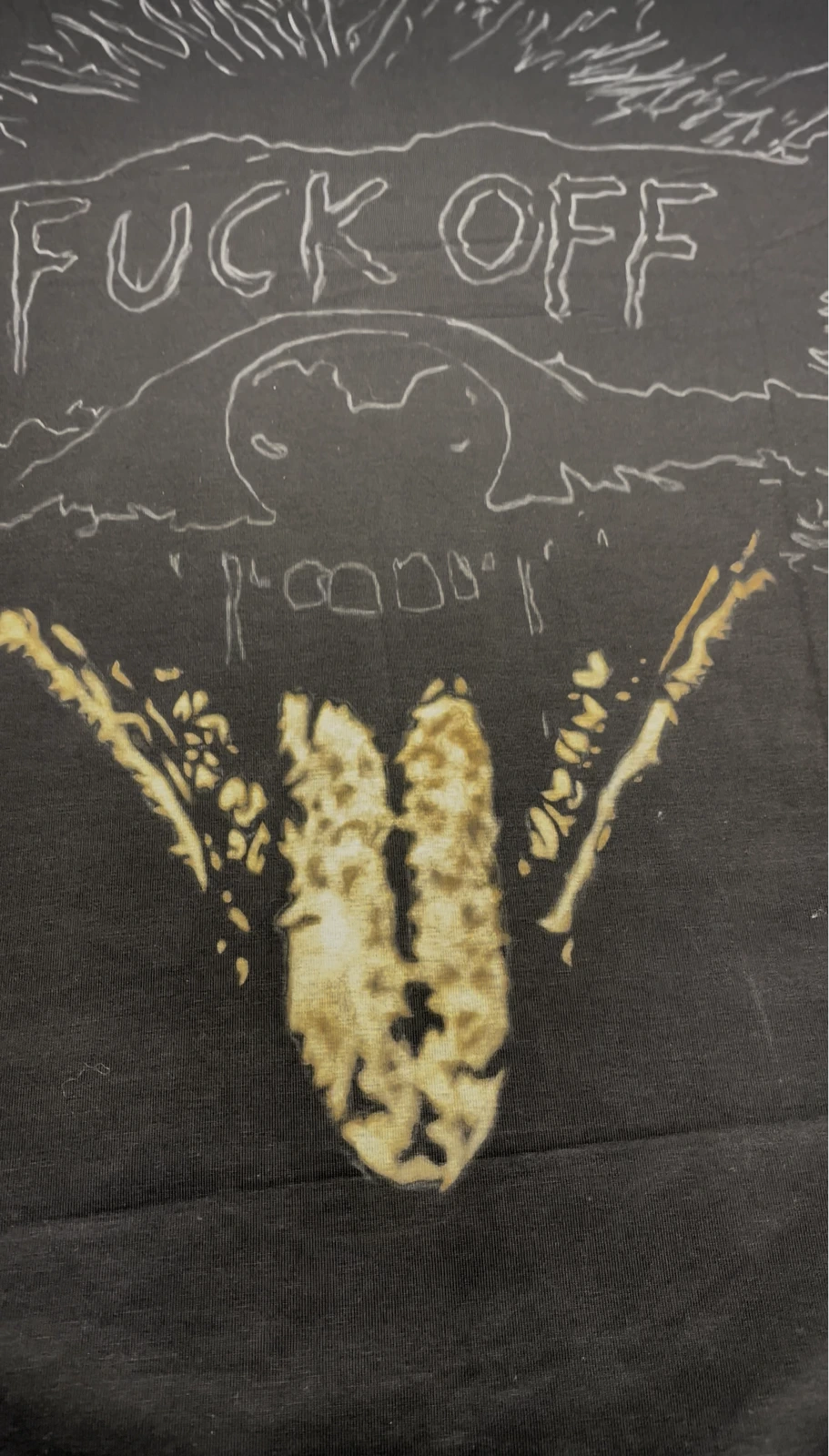
Start Creating
Thinking about creating your first bleach shirt?
Start with a clear beginner process before experimenting with fine lines, bleach concentration, layering, shadows, and tonal transitions.
Read the Beginner Bleach Art GuideBleach Drawing
Bleach drawing is where precision becomes just as important as creativity. Fine lines, soft shadows, bright highlights, and realistic textures are not created simply by leaving bleach on the fabric longer. Instead, they are built by carefully controlling the concentration of the bleach solution, layering, brushwork, and the amount of bleach applied with each stroke.
Every detail is developed gradually. Shadows are created with weaker bleach concentrations, while brighter highlights require stronger mixtures or carefully layered applications. This allows the artwork to achieve depth, contrast, and realistic texture, making bleach painting feel much closer to traditional illustration than to a simple DIY craft.
Why Every Bleach Painting Is One of a Kind
This is exactly why handmade bleach art cannot be mass-produced. Every garment reacts differently, making each finished piece genuinely one of a kind—even when the same design is recreated.
The final color can never be predicted with complete certainty. Fabric dyes vary between manufacturers, production batches, and individual garments—even when the label says 100% cotton. One black shirt may reveal warm brown or copper tones, while another turns grey, cream, or nearly white.
That natural variation gives every handmade piece its own character and makes an exact duplicate virtually impossible. You are not simply choosing a design—you are receiving an original result created by the interaction between the artist, the bleach, and the fabric.
T-Shirts · Hoodies · Sweatshirts
Bleach Art on Clothes
Bleach art on clothes can transform T-shirts, hoodies, sweatshirts, and pullovers into original pieces of wearable art. Instead of applying a printed layer, the artist removes selected areas of fabric dye to create intentional lines, shadows, highlights, and complete illustrated compositions.
This makes bleach art clothing fundamentally different from a random bleach effect. A detailed bleach art shirt is planned like an illustration, with the garment itself becoming part of the composition.
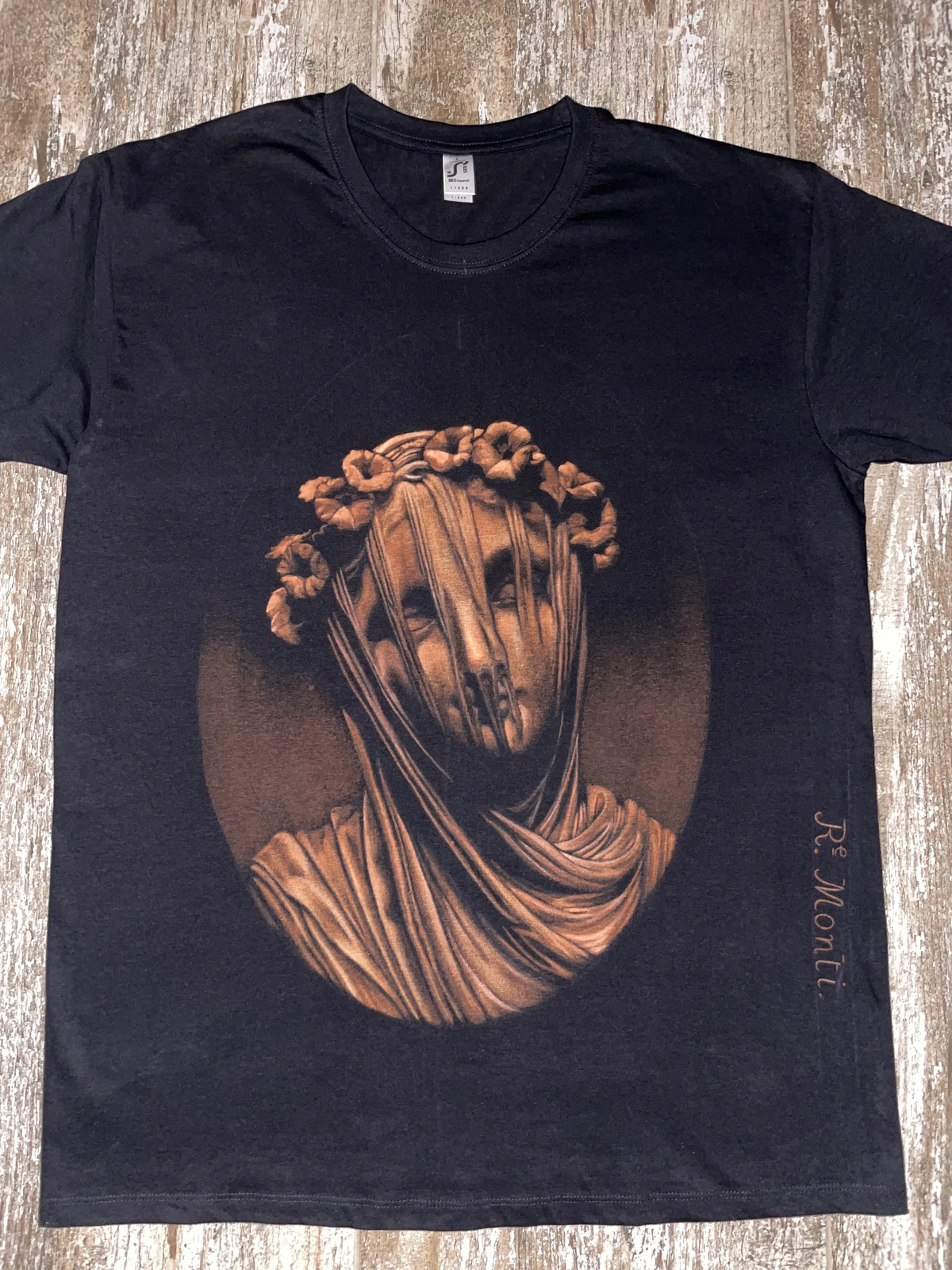
Everyday Wearable Art
Bleach Art T-Shirts
Bleach art T-shirts are lightweight, versatile, and ideal for detailed front, back, or two-sided artwork. Their flat surface makes them especially suitable for portraits, animals, symbolic imagery, and expressive streetwear designs.
Explore Bleach Art T-Shirts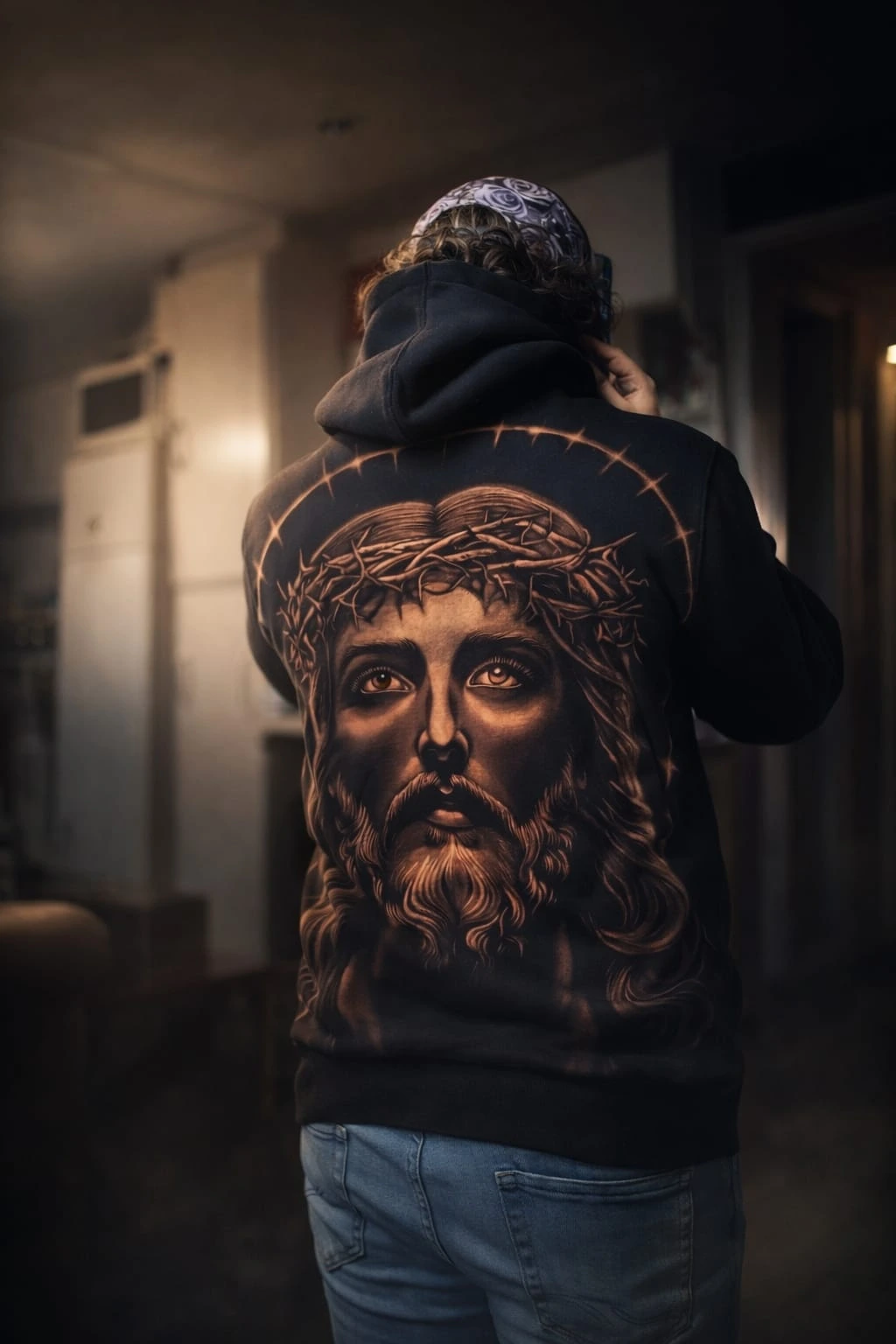
Large-Scale Artwork
Bleach Art Hoodies
Hoodies offer a larger canvas for dramatic compositions, realistic portraits, and highly detailed back designs. The hood, sleeves, front, and back can also become connected parts of one custom bleach clothing concept.
Explore Bleach Art Hoodies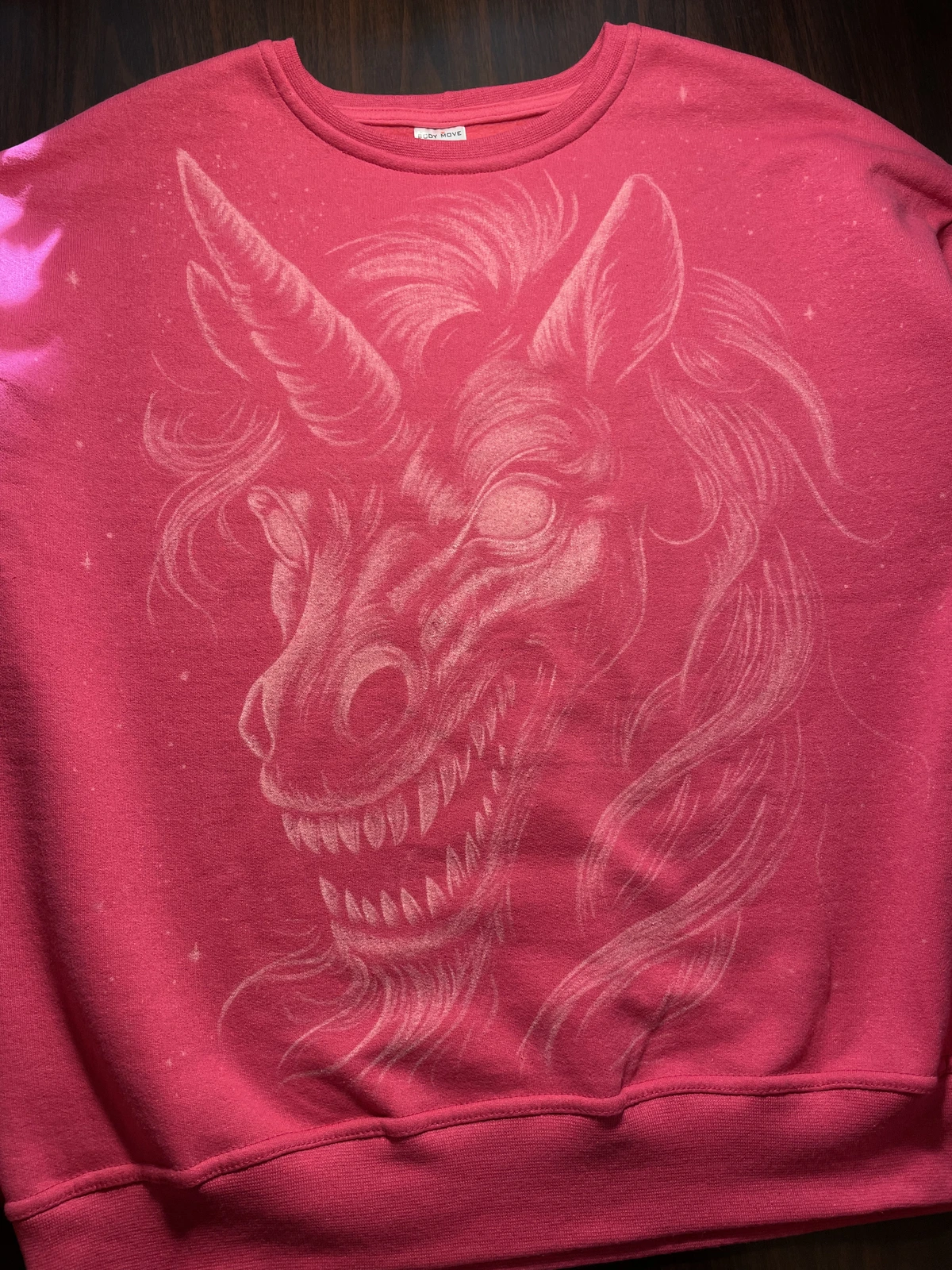
Unexpected Fabric Color
Bleach Art Sweatshirts
Bleach art is not limited to black garments. Colored sweatshirts and pullovers can reveal softer, stranger, or more playful tones. The result is harder to predict, but that uncertainty can give the finished artwork a completely original personality.
Explore Bleach Art SweatshirtsHandmade · Original · One of a Kind
Find Bleach Art Clothing That Feels Personal
Explore handmade T-shirts, hoodies, sweatshirts, bestselling designs, and bleach art clothing that is currently available to order.
Beginner Workflow · Techniques · Practical Guidance
How to Do Bleach Art on Clothes
Learning how to do bleach art on clothes starts with understanding the complete workflow. The technique is not the same as using bleach to whiten laundry: the goal is to remove selected areas of fabric dye and turn those controlled marks into lines, shadows, highlights, and a finished composition.
Whether you want to learn how to bleach a shirt, create a simple stencil, or develop a detailed DIY bleach shirt, the preparation and finishing stages matter just as much as the visible artwork.
The Basic Process
Step-by-Step Bleach Art Workflow
This overview explains the main stages of bleaching shirts for artistic designs. Select any step to open a more detailed guide covering fabric, design preparation, bleach painting, neutralization, washing, and care.
-
01
Choose the Right Fabric
Cotton-rich garments usually react more visibly than synthetic fabrics. Always test the material before beginning the main design.
Compare cotton and polyester -
02
Prepare the Design
Plan the composition, scale, placement, and strongest areas of contrast before applying bleach to the garment.
Plan your bleach shirt design -
03
Protect the Reverse Side
Place a waterproof barrier inside the shirt or hoodie so the bleach cannot transfer through to the opposite layer.
Follow the complete beginner process -
04
Apply the Bleach
Use a brush, pen, gel, stencil, or spray according to the type of bleach shirt design you want to create.
Learn how to paint with bleach -
05
Build the Artwork Gradually
Develop lines, shadows, highlights, and textures in stages. Different bleach concentrations help create a wider tonal range.
Explore brushwork and layering -
06
Neutralize the Bleach
Stop the chemical action safely before washing. Never mix bleach with acids, ammonia, or unknown household chemicals.
Read the neutralizing guide
Choose Your Method
T-Shirt Bleaching Techniques
Different T-shirt bleaching techniques produce very different results. Some methods are designed for realistic art, while others work better for logos, grunge effects, or abstract patterns.
Brush Painting
Best for portraits, animals, realistic textures, shadows, highlights, and detailed bleach painting.
Bleach Pen or Gel
Useful for lettering, outlines, small shapes, and controlled marks without the flow of ordinary liquid bleach.
Stencil
A practical choice for clean symbols, lettering, repeated shapes, and simple bleach shirt designs.
Splatter
Creates energetic spots, distressed textures, stars, dust, and expressive grunge effects.
Spray
Produces atmospheric backgrounds, soft clouds, faded edges, and wide areas of texture.
Reverse Tie-Dye
Best for abstract rings, folds, spirals, and large decorative patterns rather than detailed illustration.
Quick Comparison
Which Bleach Technique Should You Start With?
Choose the method according to the visual result you want—not simply according to which technique looks easiest in a short video.
| Technique | Best For | Skill Level |
|---|---|---|
| Brush Painting | Portraits, realism, detailed artwork | Intermediate to advanced |
| Bleach Pen or Gel | Lettering, outlines, small details | Beginner friendly |
| Stencil | Logos, symbols, repeated shapes | Beginner friendly |
| Splatter | Grunge effects and energetic texture | Beginner friendly |
| Spray | Backgrounds, fades, atmospheric effects | Beginner to intermediate |
| Reverse Tie-Dye | Abstract patterns and large effects | Beginner friendly |
Detailed Brushwork
Learn How to Paint with Bleach
Explore brush techniques, bleach concentration, layering, tonal transitions, and the practical process behind detailed bleach painting.
Read How to Paint with Bleach on ClothesPlan Your First Design
Learn How to Bleach a Design on a Shirt
Learn how to choose a design, place it correctly, protect the garment, and turn a simple concept into a finished bleach shirt.
Read the Shirt Design GuideMaterials · Technique · Safety
What Bleach to Use for Bleach Painting
If you are wondering what bleach to use for bleach painting, regular liquid chlorine bleach is usually the most versatile option for detailed brushwork. A bleach pen for clothes or thickened bleach gel can also be useful for lettering, outlines, stencils, and more controlled marks.
The best bleach for clothes depends on the fabric, the artistic technique, and the effect you want to create. Different products can vary in strength, consistency, and added ingredients, so every new garment and every unfamiliar product should be tested before beginning the main artwork.
Most Versatile
Liquid Chlorine Bleach
Liquid chlorine bleach works well for brush painting, tonal layering, splatter effects, and larger areas of fabric bleach work. It can be diluted to create softer shadows or used in stronger concentrations for brighter highlights.
Best for: detailed artwork, portraits, gradients, shadows, highlights, and expressive brushwork.
Controlled Application
Bleach Pen for Clothes
A bleach pen for clothes is convenient for letters, borders, simple line art, and small corrections. Its thicker consistency reduces unwanted spreading, but it offers less freedom for soft tonal transitions and painterly shading.
Best for: lettering, outlines, small symbols, clean details, and beginner-friendly designs.
Thickened Formula
Bleach Gel for Clothes
Bleach gel for clothes stays where it is placed more easily than ordinary liquid bleach. It can be useful with stencils or bold shapes, but additives and viscosity may affect how evenly the product penetrates the fabric.
Best for: stencils, bold marks, thick lines, decorative lettering, and controlled shapes.
Learn the Technique
Want to Understand Bleach Painting in More Detail?
Detailed material guides, technique demonstrations, and future bleach art workshops will be added to the learning section. Explore the complete guide now to understand how tools, concentration, brushwork, and fabric work together.
Cotton · Fabric Blends · Polyester
Best Fabrics for Bleach Art
The best fabrics for bleach art are usually cotton-rich materials with dark, reactive dyes. If you are learning how to bleach fabric, 100% cotton is generally the most reliable place to start because it often reveals a stronger and more visible color change than synthetic fibers.
However, fiber content alone does not guarantee a particular result. The original dye, manufacturing process, fabric finish, and even the production batch can influence how fabric bleach reacts with a garment.
Quick Fabric Comparison
What Fabrics Can Be Bleached?
This comparison gives a practical overview of how common clothing fabrics usually respond to bleach painting. Individual garments can still behave differently, so testing remains essential.
| Fabric | Typical Bleach Reaction | Contrast | Predictability | Recommendation |
|---|---|---|---|---|
| 100% Cotton | Usually reacts clearly and can reveal white, grey, orange, copper, or brown tones. | Strong | More predictable than most blends, but never completely guaranteed. | Best overall choice |
| Cotton Blend | May react unevenly because cotton fibers change while synthetic fibers remain darker. | Moderate | Depends heavily on the cotton percentage and the type of synthetic fiber. | Test before use |
| Polyester | Often reacts very weakly or does not visibly change because synthetic fibers are dyed differently. | Low | Difficult to predict without testing the exact garment. | Usually not ideal |
Before You Start
Always Test the Fabric First
Testing shows whether the material changes color, how quickly the result becomes visible, and which hidden shade the original dye will reveal.
- Test an inside seam or hidden hem.
- Use a spare fabric sample when possible.
- Check an area underneath a pocket or hood.
- Test every new garment, even when the label looks familiar.
Complete Fabric Guide
Cotton vs Polyester for Bleach Art
Compare cotton, polyester, and fabric blends in more detail before choosing a shirt, hoodie, or sweatshirt for your next bleach art project.
Portraits · Animals · Gothic · Fantasy · Pop Culture
Bleach Shirt Designs
Bleach shirt designs can range from realistic portraits and animal artwork to gothic scenes, fantasy characters, religious imagery, skulls, music-inspired graphics, and pop culture designs.
The strongest bleach shirt ideas use the natural contrast of dark fabric to build atmosphere, emotion, and detail. Explore these eight creative directions to find the style that feels most personal to you.
Realistic & Expressive
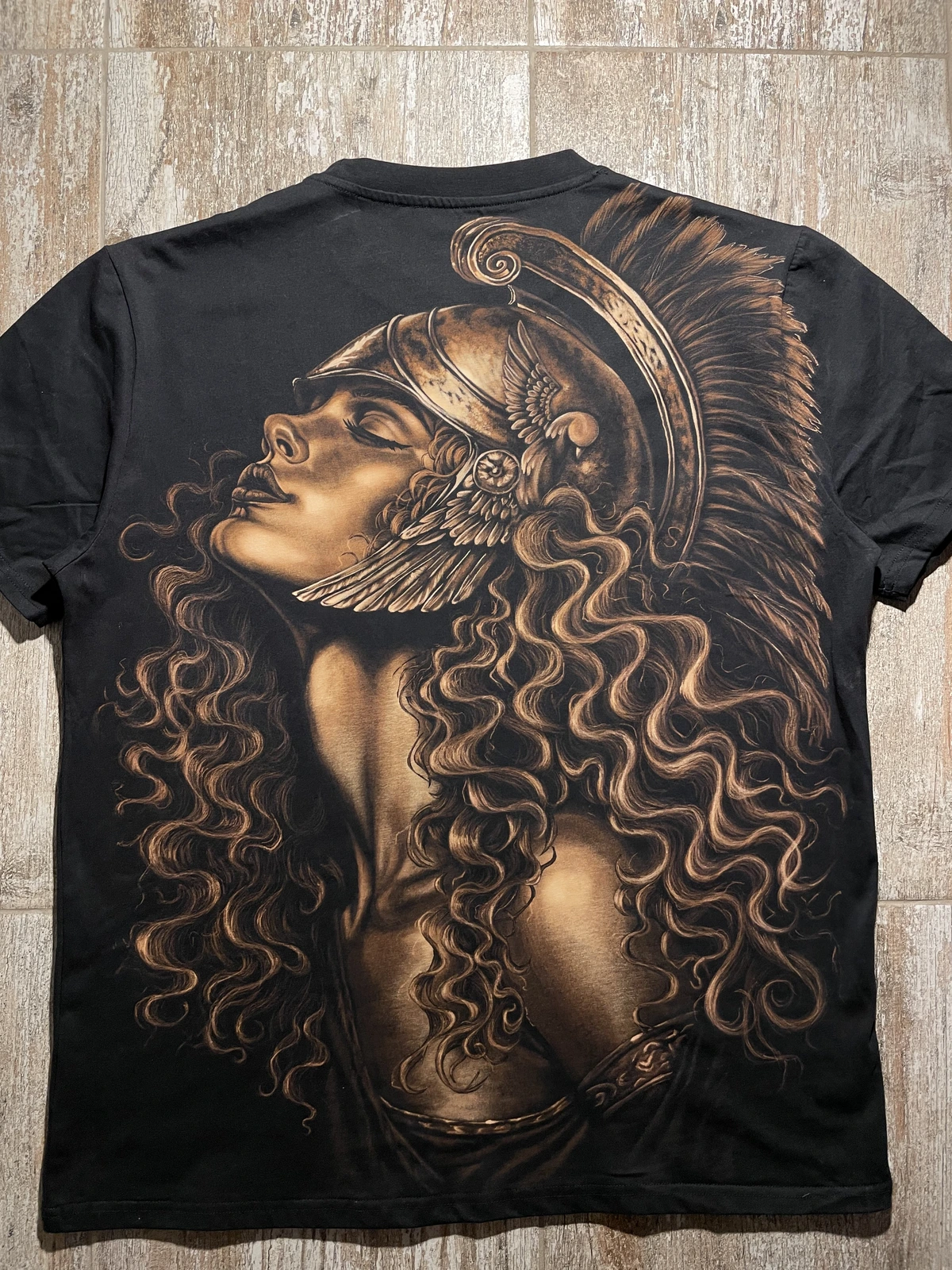
Portrait Bleach Shirt Designs
Portrait bleach shirt designs use light, shadow, facial expression, and realistic detail to turn clothing into personal wearable art.
Playful & Personal
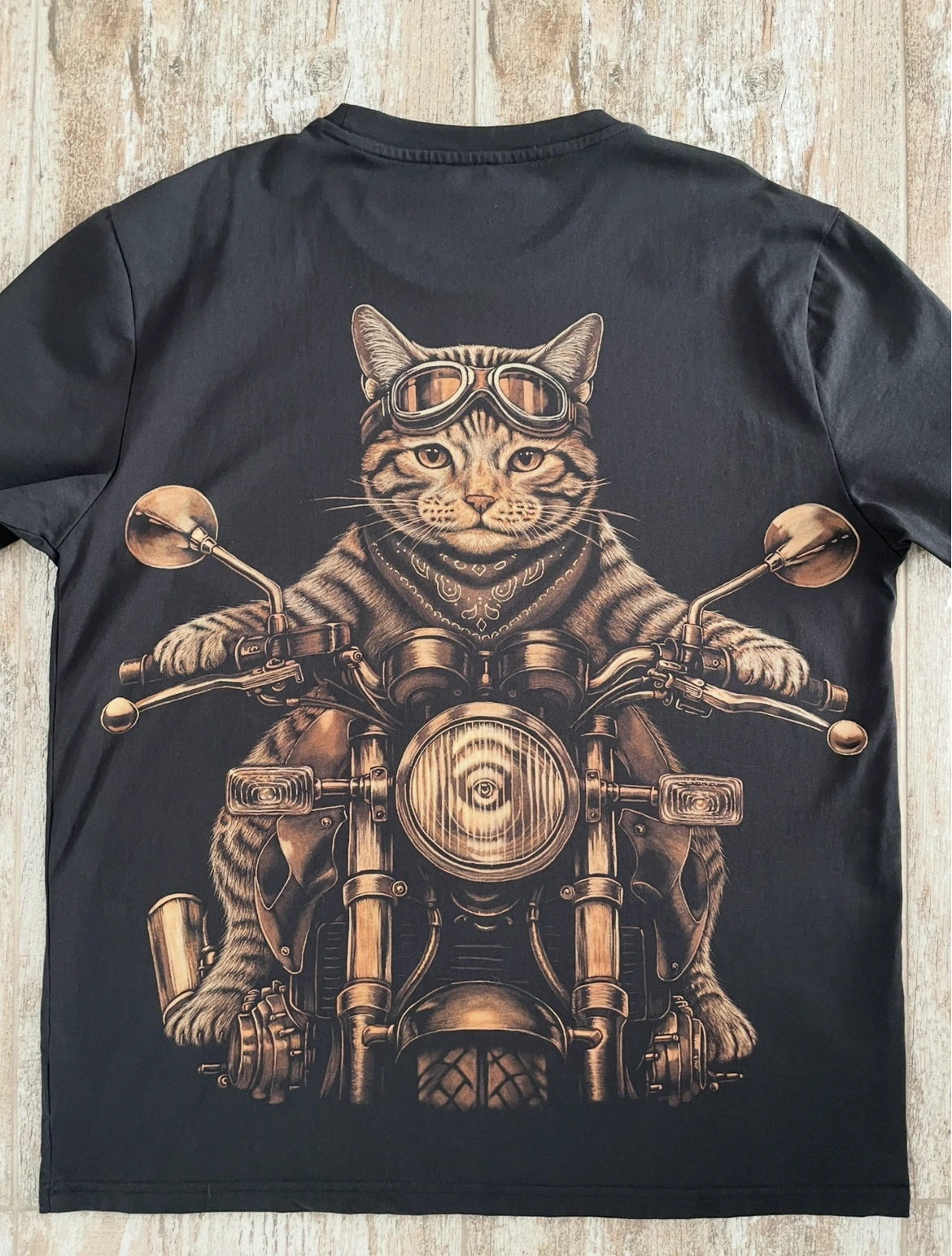
Animal Bleach Designs
Animal bleach designs can be realistic, humorous, symbolic, or based on a beloved pet, making them especially personal.
Symbolic & Emotional
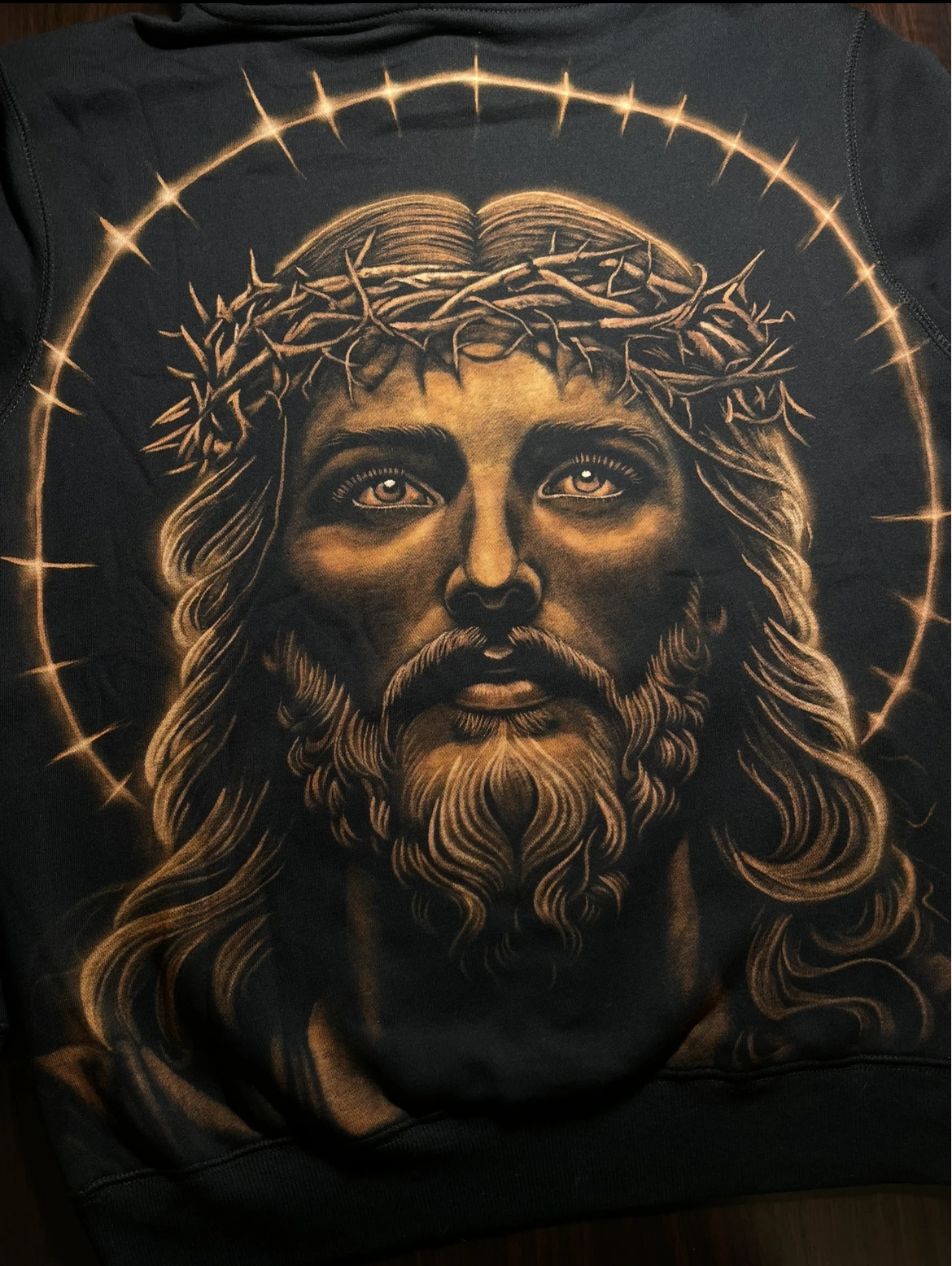
Religious Bleach Art Designs
Religious bleached shirt designs use sacred imagery, dramatic contrast, and symbolism to create deeply expressive clothing.
Dark & Provocative
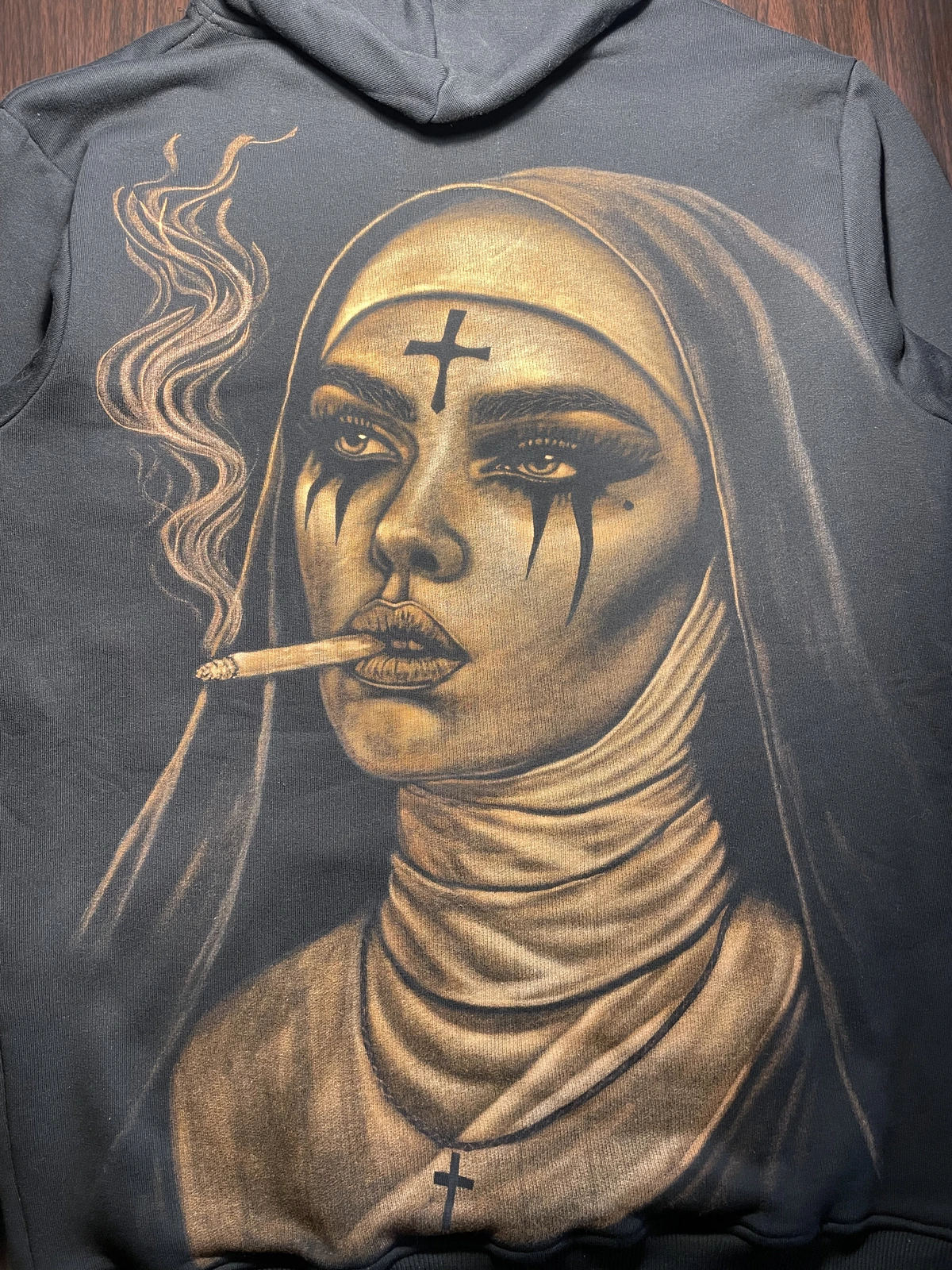
Gothic Bleach Shirt Designs
Gothic cool bleach shirt designs combine darkness, symbolism, contrast, and dramatic subjects for a bold alternative look.
Mythical & Dramatic
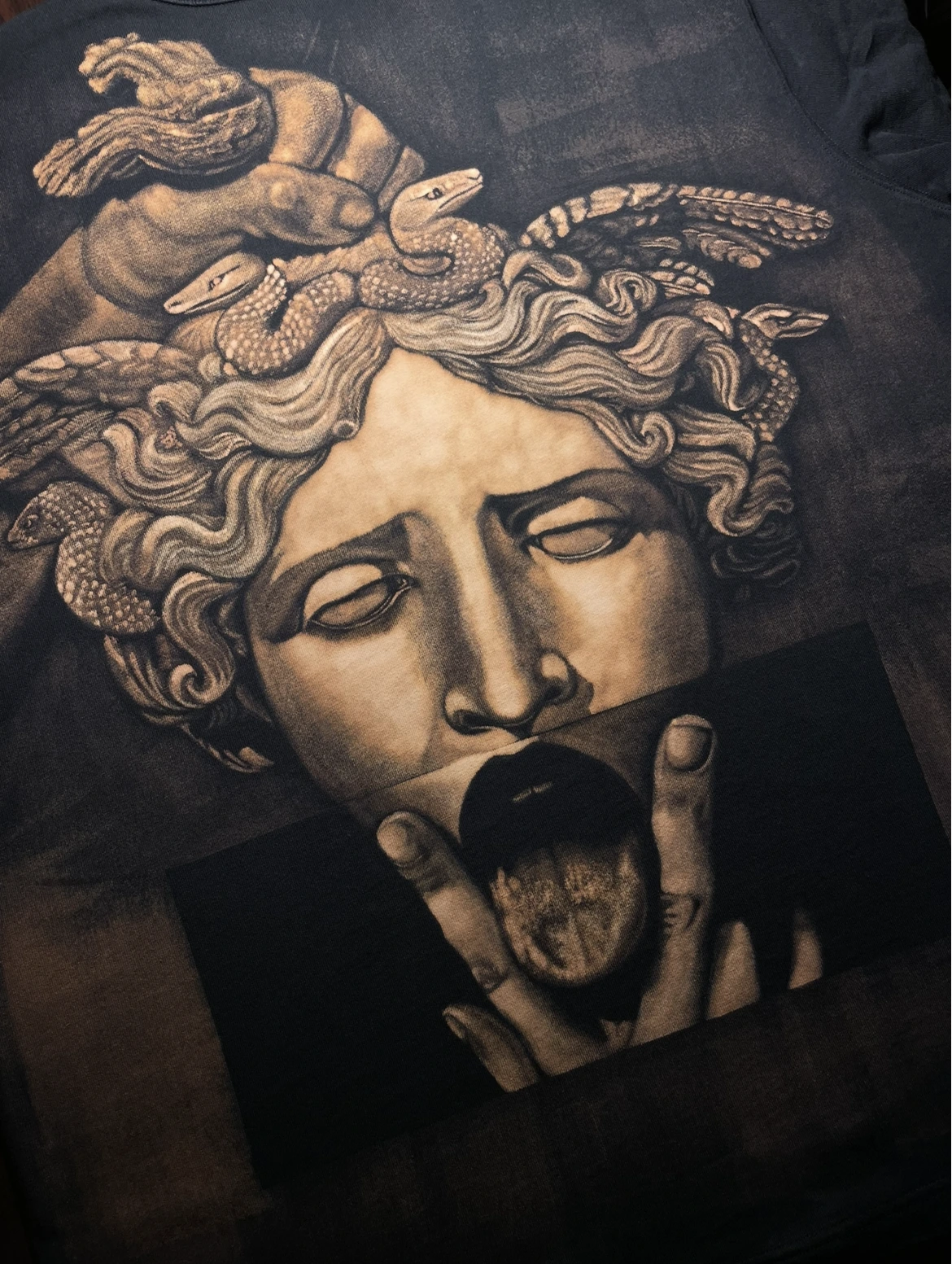
Fantasy Bleach Art Designs
Fantasy bleach shirt design ideas bring mythological creatures, legends, statues, and imagined worlds onto dark fabric.
Dark & Detailed
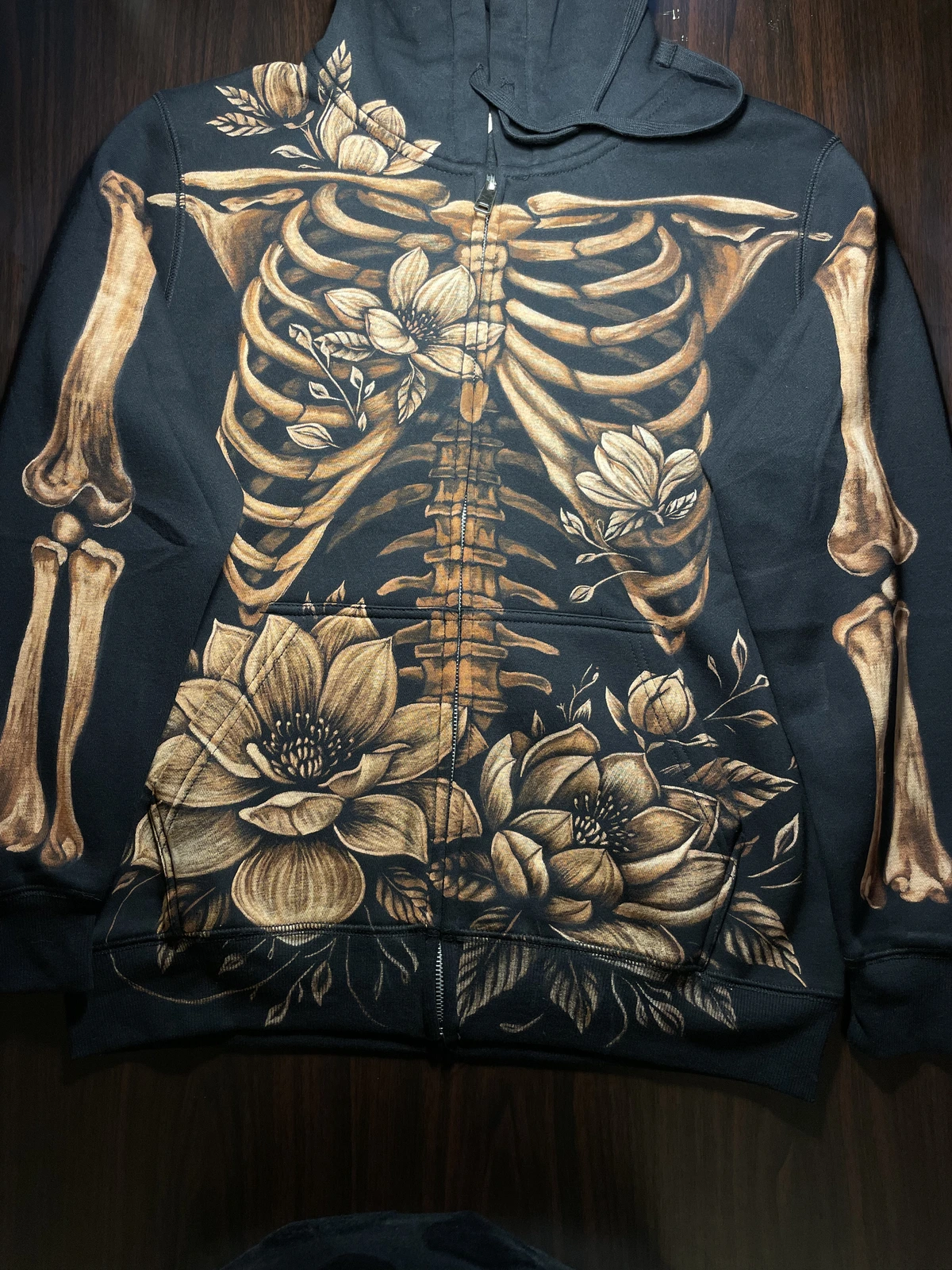
Skull and Skeleton Bleach Designs
Skull and skeleton bleach t shirt designs can feel gothic, elegant, macabre, or symbolic depending on the surrounding composition.
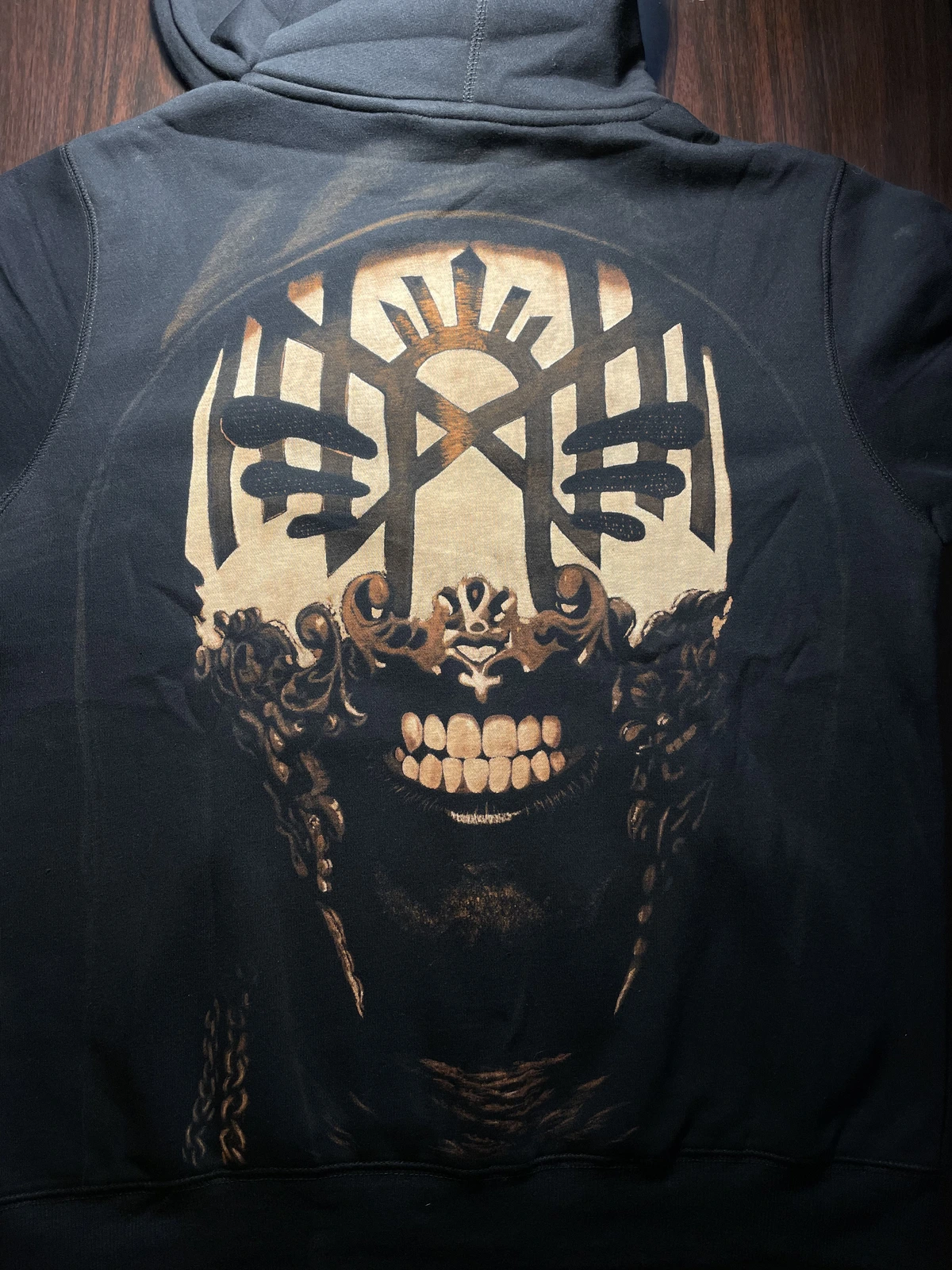
Music & Identity
Music-Inspired Bleach Designs
Music-inspired cool bleach designs turn favorite artists, symbols, album moods, and stage aesthetics into wearable artwork.
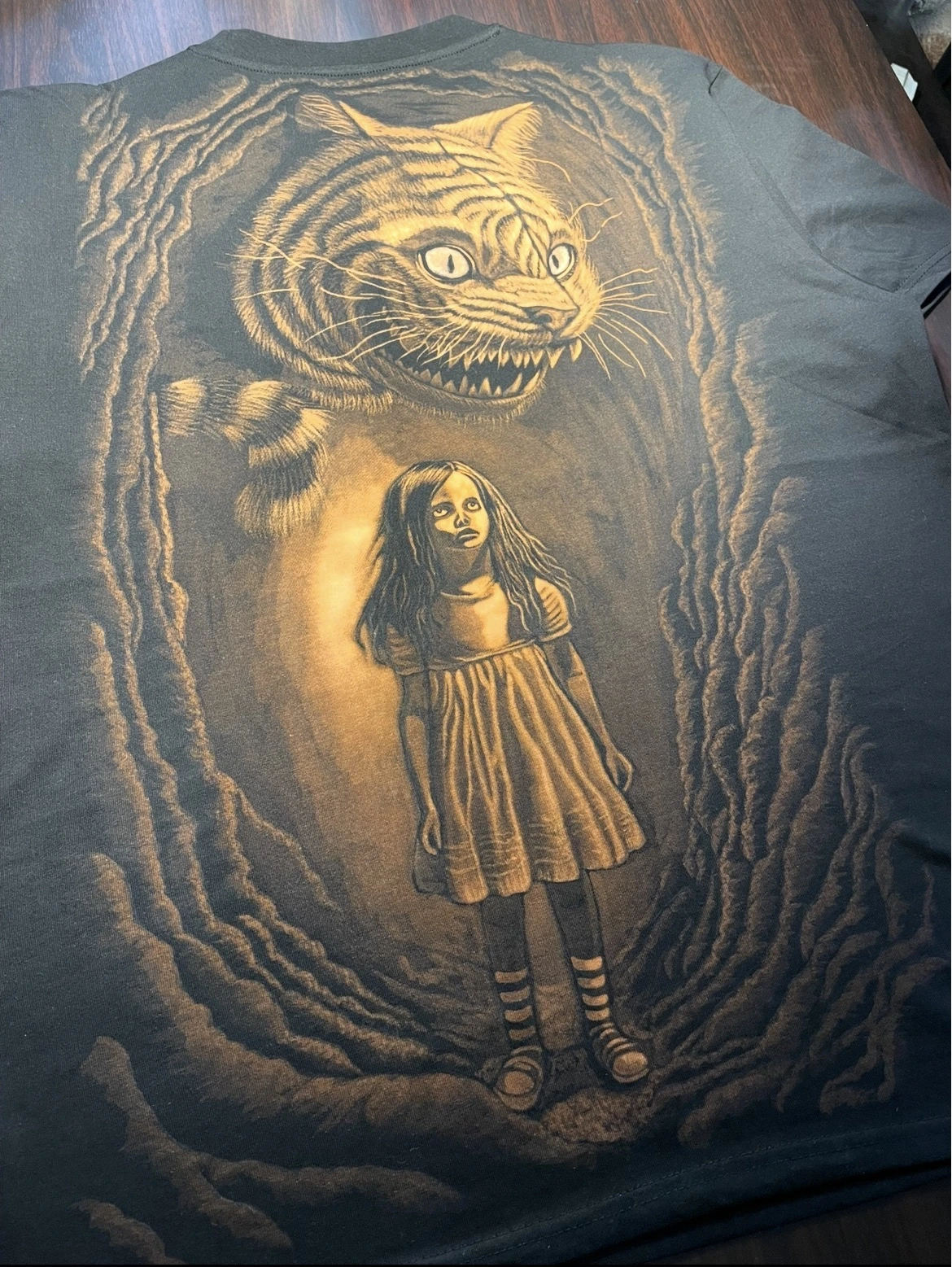
Familiar & Reimagined
Pop Culture Bleach Shirt Designs
Pop culture bleach shirt design ideas reinterpret familiar characters, films, stories, and visual icons through a darker handmade style.
Your Idea · Your Story · Your Clothing
Can’t Find the Bleach Shirt Design You Imagine?
Every artwork on HandPaintedCloth begins with an idea. Your favorite musician, a meaningful portrait, a beloved pet, or a completely original concept can become a one-of-a-kind handmade bleach art design created especially for you.
Composition · Placement · Personal Inspiration
Bleach Art Ideas
The best bleach art ideas begin with more than choosing a subject. The placement, scale, garment shape, and relationship between the front, back, sleeves, and hood can completely change how the finished artwork feels.
Whether you are exploring bleach shirt ideas, bleach hoodie ideas, or a personal design based on your own photograph, the strongest concept is one that feels intentional from every angle.
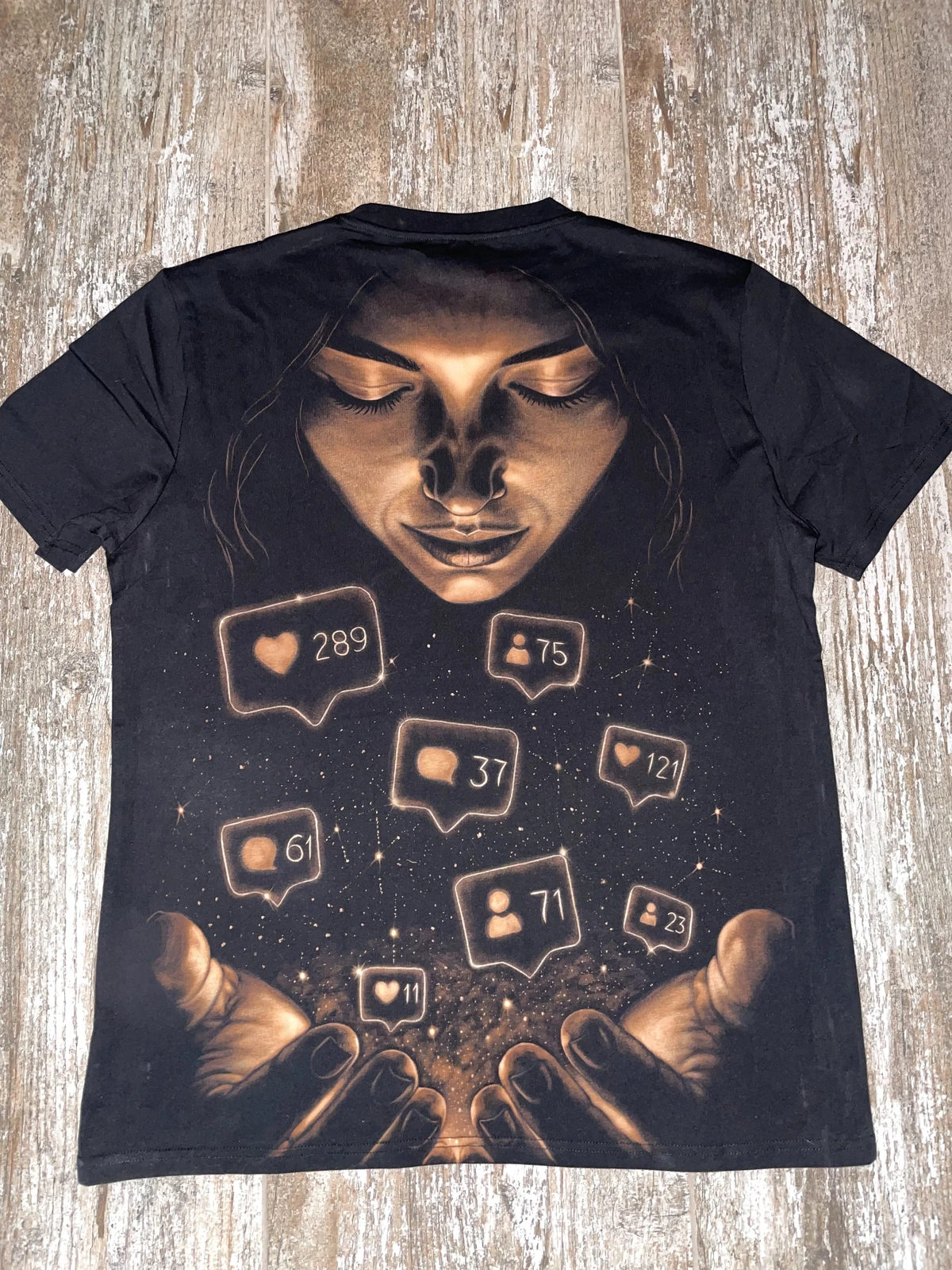
Strong Visual Impact
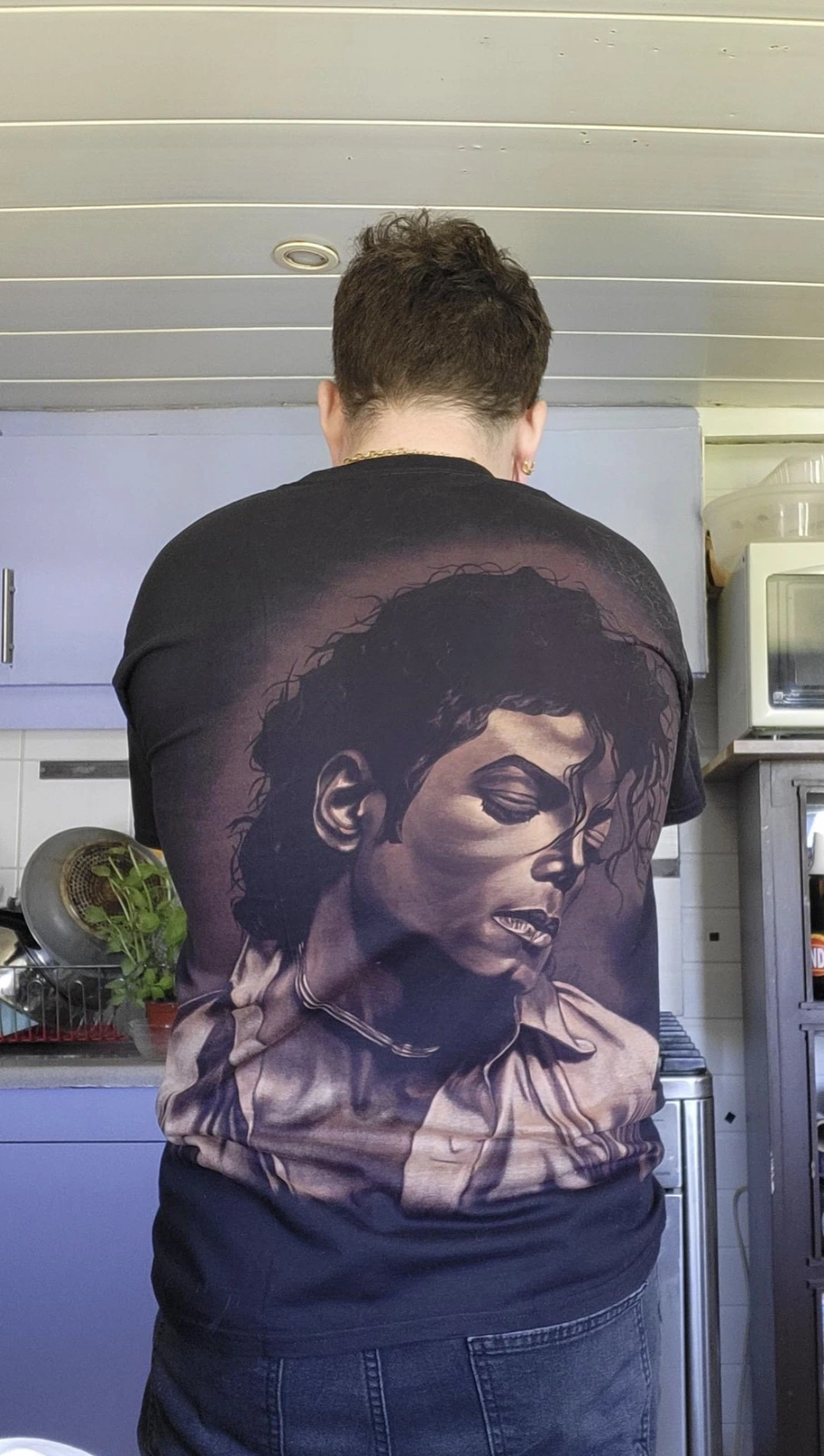
Large Central Bleach Art
A large central design is ideal for portraits, animals, fantasy scenes, and other bleach painting ideas that depend on expression, contrast, and realistic detail.
The composition can fill the back of a hoodie or become the main focus on the front of a T-shirt. This format feels bold and collectible because the artwork becomes the defining feature of the garment.
Two-Sided Composition
Front-and-Back Bleach Shirt Ideas
Two-sided bleach T-shirt ideas create a small visual introduction on the front and reveal the main artwork on the back. The two sides can repeat one symbol, continue a story, or show the same subject from different angles.
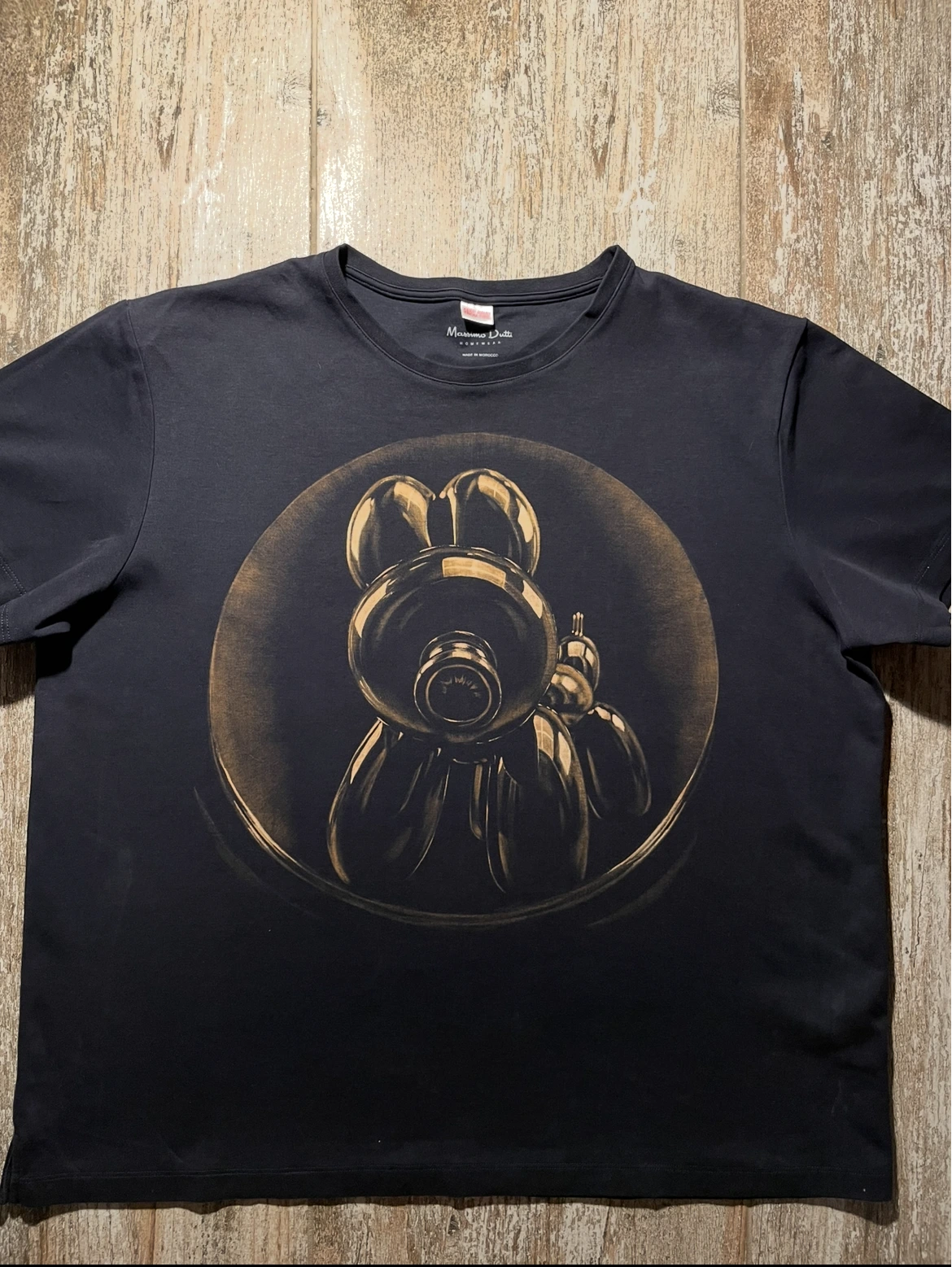
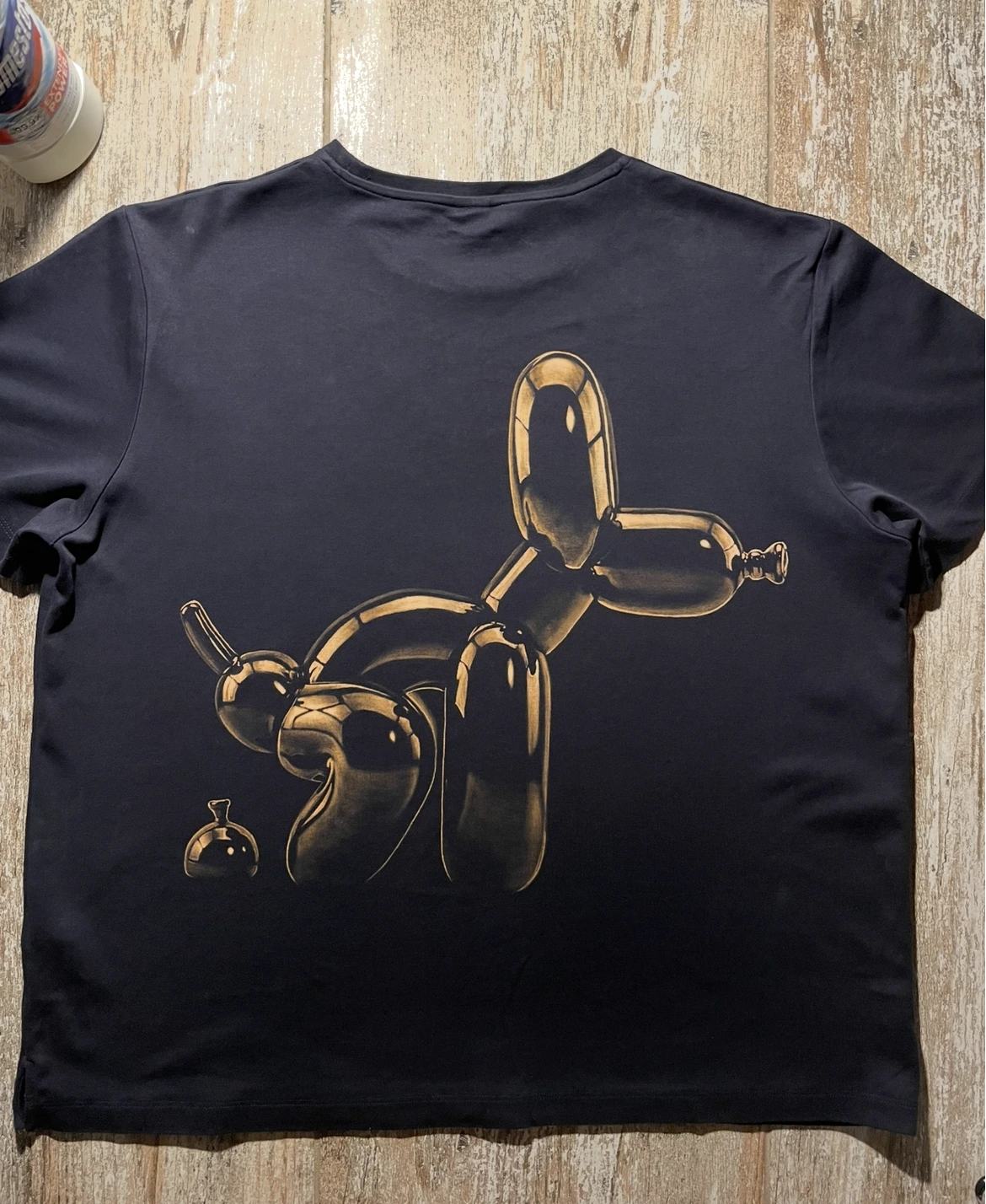
Psychological effect: a two-sided design feels more personal and carefully planned because the viewer discovers the artwork gradually instead of seeing everything at once.
Use the Whole Garment
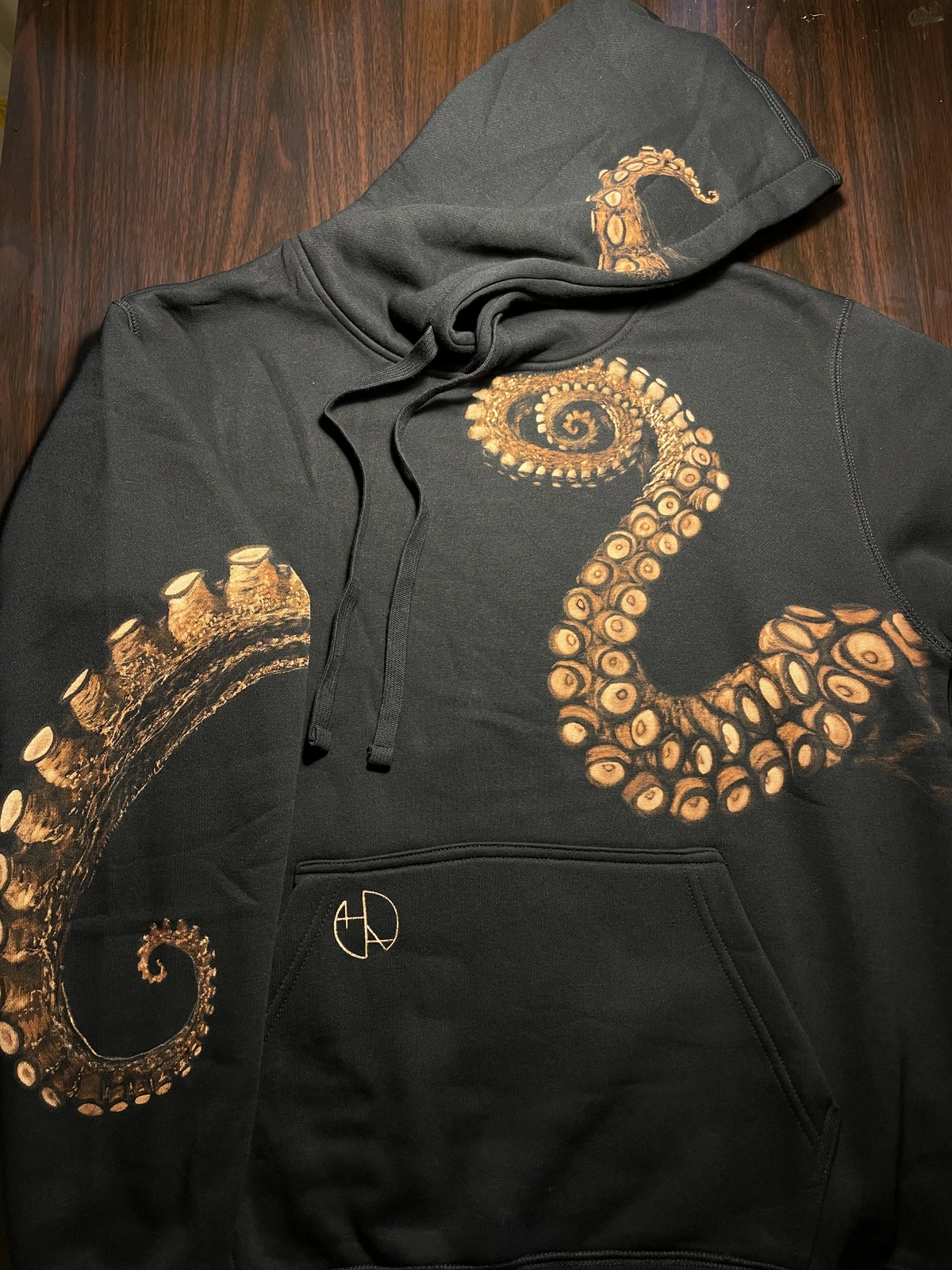
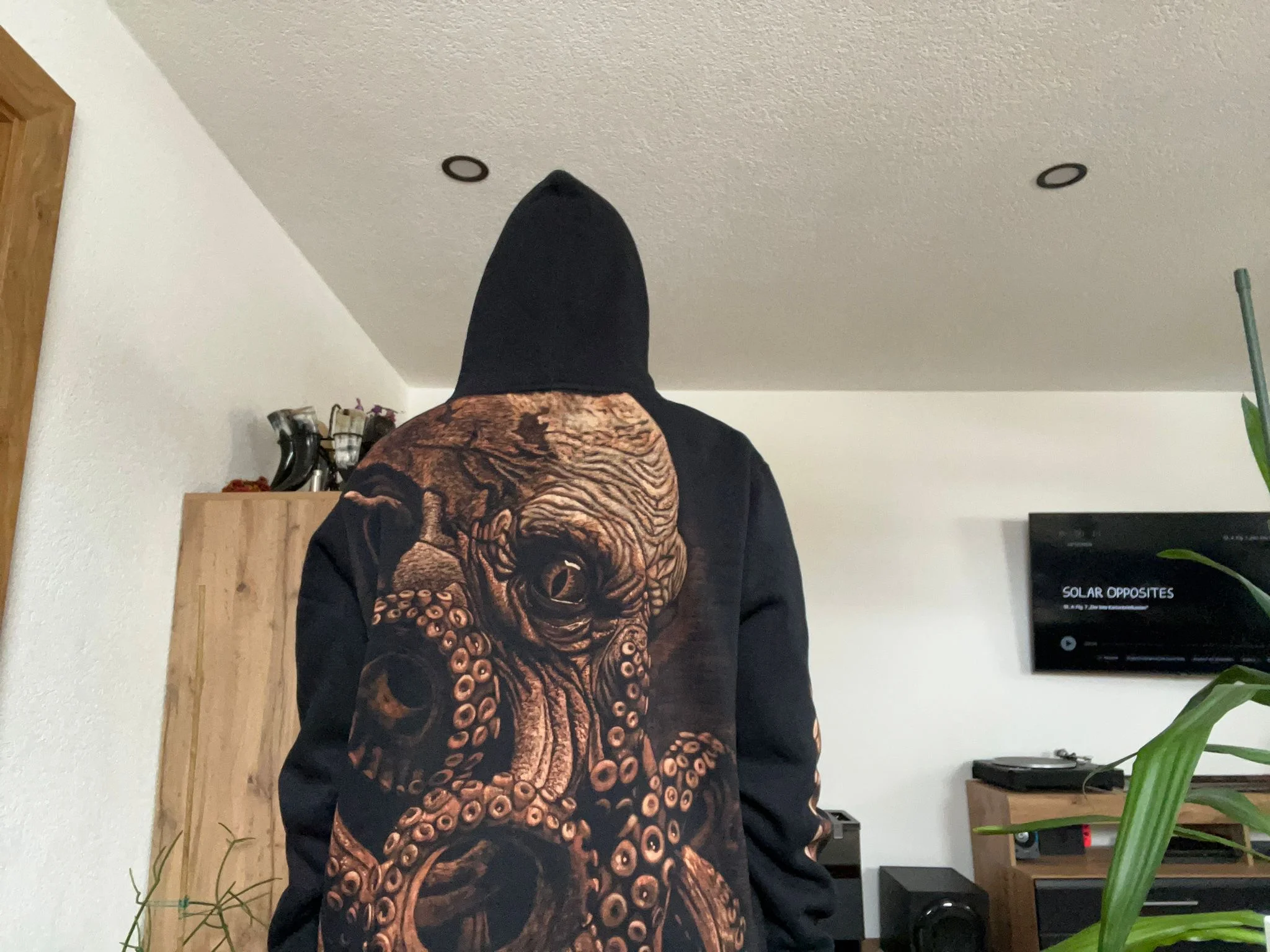
Bleach Hoodie Ideas for the Back, Sleeves, and Hood
A hoodie offers much more creative space than a single front print. Large back artwork can become the main visual statement, while additional bleach painting on the sleeves, hood, pocket, or cuffs creates a design that feels intentional from every angle.
These placement-based bleach hoodie ideas are perfect for symbols, repeating motifs, lettering, and artwork that flows naturally across the entire garment instead of stopping at one panel.
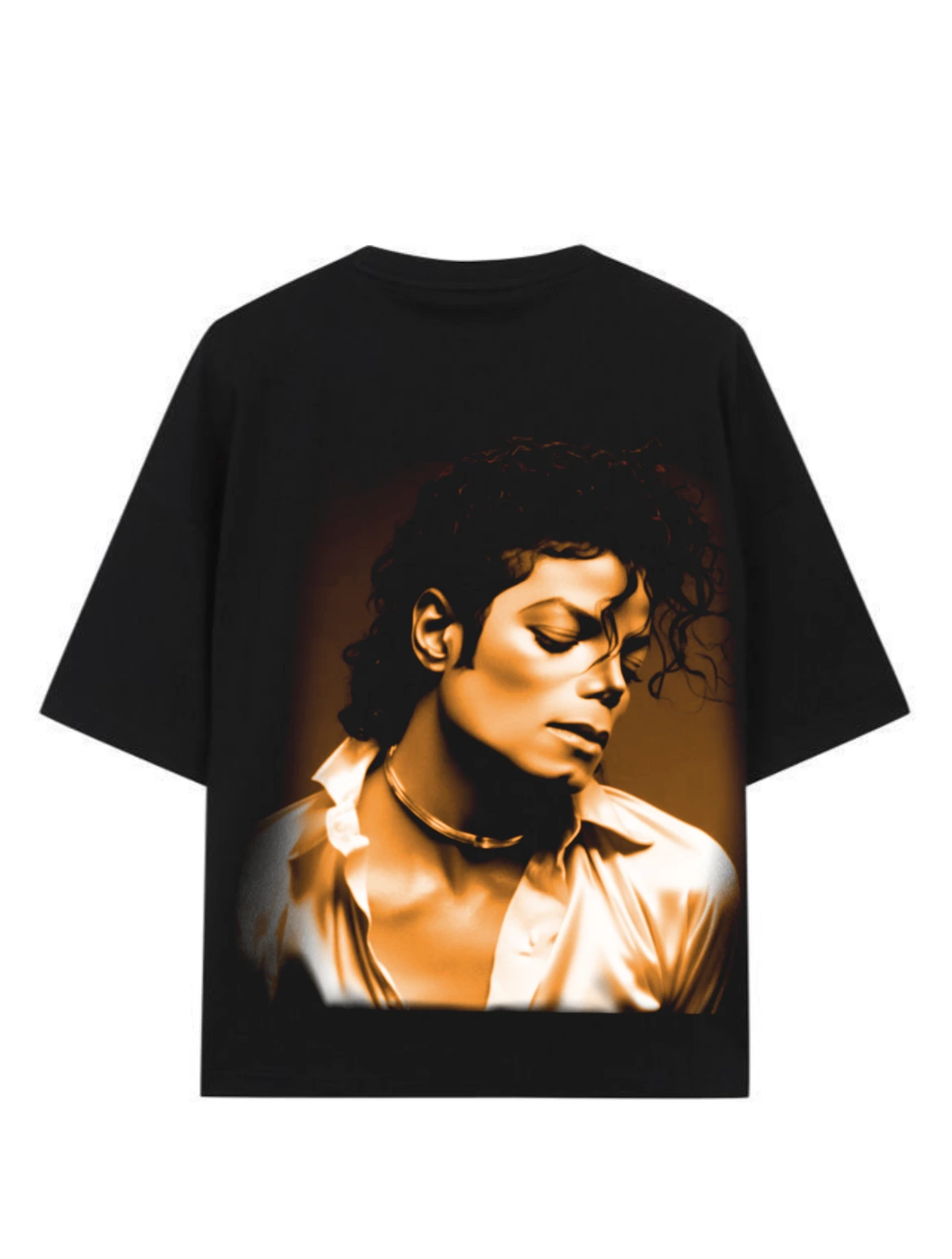
From Personal Idea to Wearable Art
Turn a Photograph or Sketch into Custom Bleach Art
Some of the most meaningful bleach art ideas begin with a personal photograph, a pet, a memory, a musician, or a rough sketch. The reference does not have to be perfect—it only needs to communicate the idea.
The composition can then be adapted to the shape of the garment, simplified where necessary, and rebuilt through bleach painting. This creates something far more personal than choosing a standard mass-produced image.
You are not only choosing what appears on the clothing—you are creating the story behind it.
T-Shirts · Hoodies · Sweatshirts
Bleach Art Shirts and Hoodies
Handmade bleach art shirts, hoodies, and sweatshirts combine original artwork with clothing you can wear every day. Unlike mass-produced bleached shirts created with random splashes or repeated patterns, every piece is painted individually to create a recognizable and carefully composed design.
A bleach T-shirt is versatile and easy to style, while a hoodie provides a larger surface for dramatic artwork. Sweatshirts and pullovers offer warmth, comfort, and a clean shape for balanced bleach sweatshirt designs.
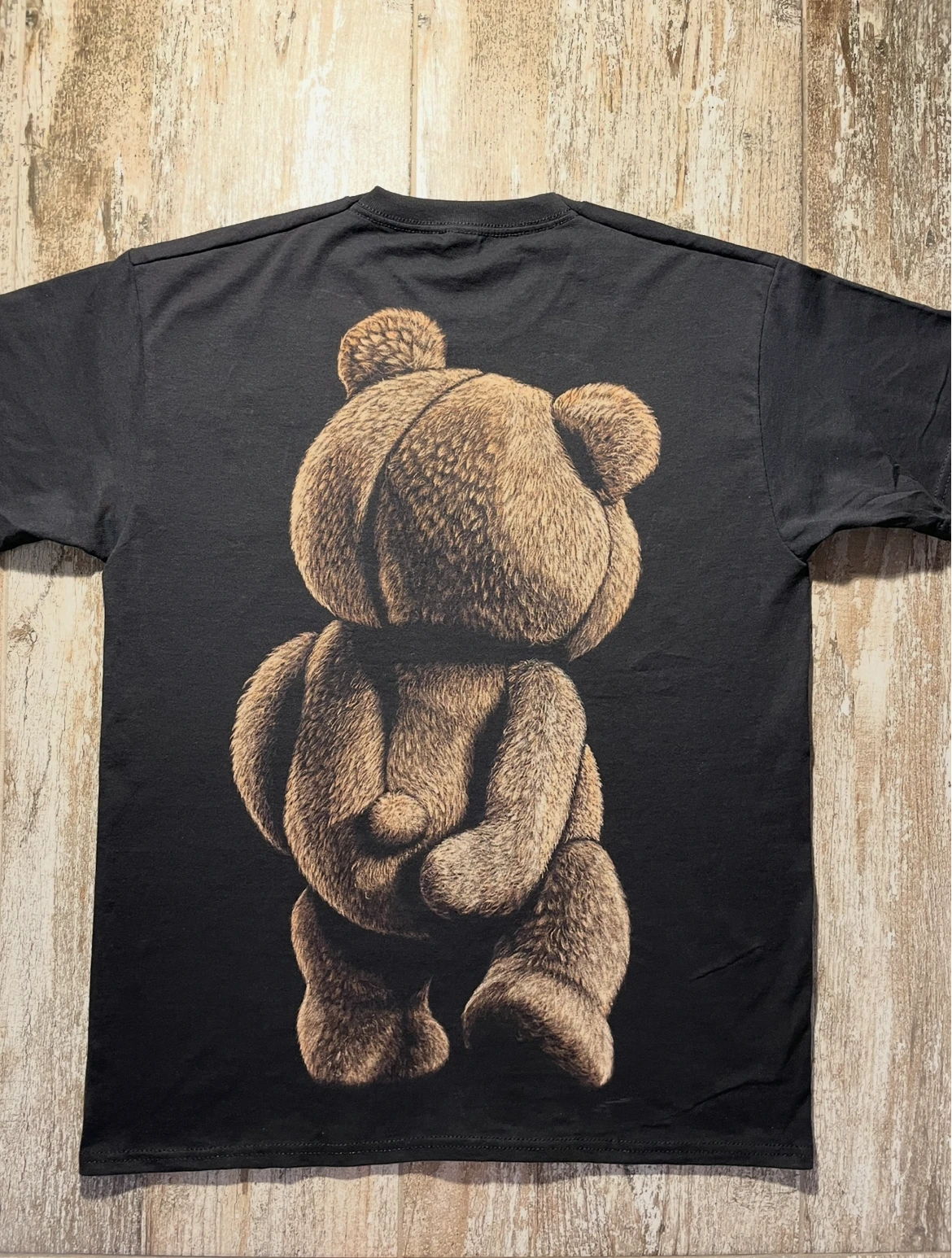
Most Versatile
Bleach Art T-Shirts
A handmade bleach shirt works well for portraits, animals, fantasy subjects, music-inspired artwork, and front-and-back compositions. T-shirts are lightweight, easy to layer, and suitable for both large artwork and smaller visual accents.
Explore Bleach Art T-Shirts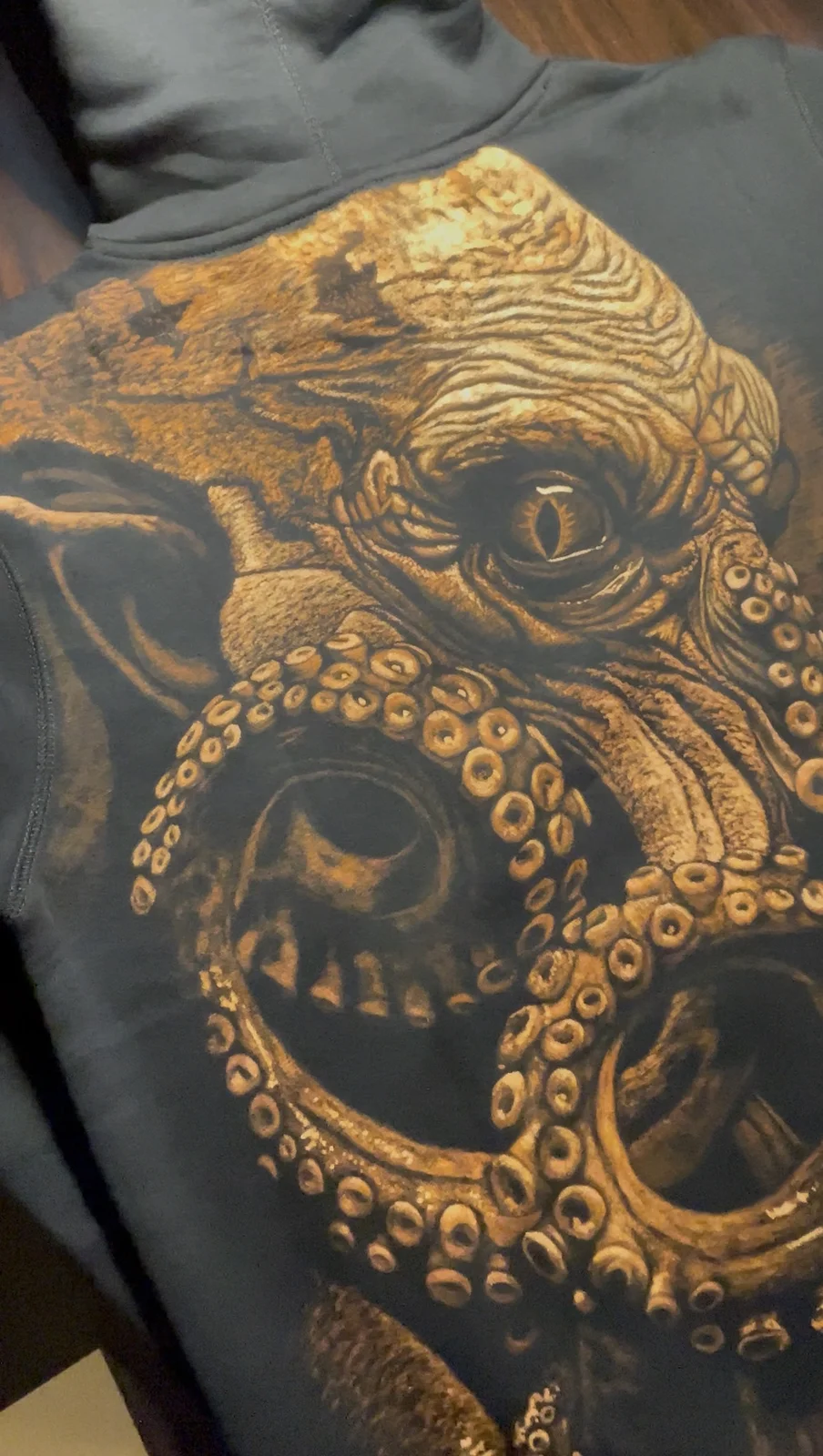
Best for Large Artwork
Bleach Art Hoodies
A bleach design hoodie provides enough room for realistic portraits, large back compositions, sleeve details, hood artwork, and connected designs. The heavier fabric also gives the finished piece a substantial, collectible feel.
Explore Bleach Art Hoodies
Balanced Style
Bleach Art Sweatshirts & Pullovers
Bleach sweatshirt designs combine the warmth of a hoodie with a cleaner silhouette and uninterrupted space. They work well for balanced central artwork, fantasy concepts, symbolic designs, and unusual color reactions on non-black fabric.
Explore Sweatshirts & Pullovers- Handmade One by One
- One-of-a-Kind Artwork
- Worldwide Shipping
- Custom Orders Available
Find the Right Canvas
Not Sure Which Garment Fits Your Bleach Art Idea?
Choose a T-shirt for versatile everyday wear, a hoodie for a large dramatic composition, or a sweatshirt for warmth and a clean uninterrupted shape. The best garment is the one that gives your artwork enough space without losing the style you want to wear.
Neutralization · Fabric Safety · Aftercare
How to Neutralize Bleach
Learning how to neutralize bleach is an essential part of bleach painting. Neutralization stops the active chemical process before the garment is washed, helping protect the fabric from unnecessary continued exposure.
A bleach neutralizer for fabric can stop the remaining bleach activity, but it cannot reverse fiber damage that has already happened. That distinction matters when strong bleach has been concentrated in one small area.
Stop the Process
Neutralization Stops the Chemical Reaction
Bleach is still chemically active after the visible color change appears. To neutralize bleach means stopping that active process before the garment is rinsed and washed.
This step helps reduce further exposure of the fibers and gives the fabric a safer transition from painting to washing.
Important Limitation
Hydrogen Peroxide Cannot Repair Damaged Fibers
Hydrogen peroxide can help stop the remaining bleach activity, but it cannot restore cotton fibers that have already been weakened by a large amount of concentrated bleach.
If too much strong bleach stays in one place, the fabric may later become thin or develop holes. Neutralization can stop further reaction, but it cannot rebuild fiber structure that has already started to break down.
Never Mix Cleaners
Mixing Household Chemicals Can Be Dangerous
Bleach should never be mixed with vinegar, ammonia, acids, or other household cleaners. Products that seem harmless on their own can create dangerous fumes when combined.
Work with one product at a time, keep the area well ventilated, and do not experiment with unknown chemical combinations.
Finish the Process
Rinse the Garment and Wash Your Brushes
After neutralizing, rinse the shirt, hoodie, or fabric thoroughly and wash it before wearing or judging the final color.
Synthetic brushes should also be washed immediately. Residual bleach gradually weakens the bristles, ruins their shape, and shortens the life of the tools.
Full Neutralization Guide
The Truth About Peroxide, Baking Soda, Vinegar, and Bleach Neutralizer
Online advice about what neutralizes bleach is often contradictory. Many beginners ask whether baking soda works, whether vinegar is safe, which bleach neutralizer should be used, and how to neutralize bleach without peroxide.
The complete guide explains the truth about neutralizing with baking soda and vinegar, why certain popular suggestions can be ineffective or dangerous, what to do when hydrogen peroxide is not available, and how to neutralize bleach on clothing without relying on risky household mixtures.
Durability · Washing · Long-Term Care
Does Bleach Art Wash Out?
Bleach art does not wash out like ink, vinyl, or a printed layer because the design is created by changing the original dye inside the fabric. Once the garment has been properly neutralized and washed, the light and dark areas become part of the material itself.
The artwork should not peel or crack, but the shirt, hoodie, or sweatshirt will still age naturally through repeated wear and washing—just like any favorite piece of clothing.
Built into the Fabric
Bleach Art Does Not Sit on Top of the Material
A bleach painted shirt has no separate printed layer that can lift from the surface. The image appears because selected areas of the original fabric dye have been removed.
This means the design should not peel, flake, or develop the surface cracks associated with some printed graphics.
Normal Clothing Wear
The Fabric Ages Before the Artwork Disappears
Bleach art is durable, but the garment itself is still exposed to friction, stretching, detergent, heat, sunlight, and repeated washing.
Over time, dark fabric may soften or fade slightly and cotton fibers may show ordinary wear. That is natural garment aging—not the bleach design washing away.
Keep Your Bleach Art Looking Its Best
Learn How Long Bleach Art Lasts and How to Wash It
Explore why bleach artwork remains visible, how to wash a bleached shirt after painting, which care mistakes can shorten the life of the fabric, and how to wash bleached clothes without unnecessary fading or heat damage.
DIY Experiment · Artist Experience · Custom Clothing
DIY Bleach Art vs Professional Custom Clothing
A DIY bleach shirt can be a fun way to experiment with fabric, stencils, splatter, and simple bleach effects. Professional custom clothing becomes more valuable when the idea requires realistic detail, careful composition, tonal control, or a result created for a specific person.
Creative Experiment
DIY Bleach Art
Bleach shirt DIY projects are ideal for learning the basic reaction of bleach on fabric and trying simple visual ideas without expecting a perfectly controlled result.
- Good for first experiments and DIY bleach shirt ideas.
- Suitable for simple stencils, lettering, splatter, spray, and reverse tie-dye.
- The fabric reaction and final color can be difficult to predict.
- Mistakes may permanently stain, weaken, or ruin the garment.
A DIY bleach hoodie or shirt does not need to be perfect to be worthwhile—the experiment itself is part of learning.
Detailed Custom Work
Professional Bleach Art
Professional custom bleach art is designed around the subject, garment, placement, and desired mood. Experience cannot make fabric completely predictable, but it helps reduce avoidable mistakes and turn natural variation into part of the artwork.
- Better suited to portraits, pets, realistic textures, and detailed compositions.
- Includes composition planning, fabric testing, layering, and tonal control.
- The design can be adapted from a photograph, sketch, memory, or personal story.
- Best for meaningful gifts and one-of-a-kind clothing intended to feel personal.
You are paying not only for the drawing, but for the judgment behind every decision: placement, fabric, concentration, detail, and finishing.
Experiment Yourself or Commission an Artist
Choose the Bleach Art Experience That Fits Your Idea
Try a simple bleach shirt DIY project when you want to learn and experiment. Choose professional custom clothing when you want a detailed, meaningful design created around your story and ready to wear.
Your Idea · Handmade Artwork · One-of-a-Kind Clothing
Custom Bleach Art Clothing
Custom bleach art clothing turns your photograph, sketch, favorite subject, or personal story into artwork created specifically for one garment. You can order a custom bleach shirt, hoodie, or sweatshirt with a composition adapted to its shape and available drawing space.
Every piece of custom hand-painted clothing is made individually rather than copied through mass printing. The natural reaction of the fabric also gives each design its own colors, contrast, and character.
From Your Idea to Finished Clothing
How a Custom Bleach Art Order Works
The process is transparent from the first idea to final shipping, so you know what is happening at every stage.
-
01
Send Your Idea
Share a photograph, sketch, subject, mood, or personal story.
-
02
Discuss the Design
We agree on composition, placement, details, and the overall direction.
-
03
Choose the Garment
Select a T-shirt, hoodie, or sweatshirt in the appropriate size and style.
-
04
Pay the 50% Deposit
The first payment confirms the order and reserves time for your artwork.
-
05
Artwork Is Created
Your design is painted by hand using bleach concentration, layering, and brushwork.
-
06
Receive a Preview
You receive photographs or a video showing the completed custom design.
-
07
Pay the Balance
The remaining payment is completed after you see the finished artwork.
-
08
Your Order Is Shipped
The finished garment is carefully packed and sent to its new owner.
Made for One Person
Ready to Create Something Only You Will Own?
Tell me what you imagine, choose your garment, and let your idea become a custom bleach hoodie, T-shirt, or sweatshirt created entirely by hand.
Finished Artwork · Real Process Videos · Handmade Clothing
Bleach Art Gallery and Videos
Explore a selection of original bleach art designs, finished clothing, and real process videos. These bleach painted shirts show how portraits, animals, vehicles, anime-inspired characters, gothic imagery, and religious artwork can be transformed into unique wearable compositions.
Every piece of bleach shirt art is created directly on the garment. Open a card to view the finished product or watch the process behind these hand-painted shirts.
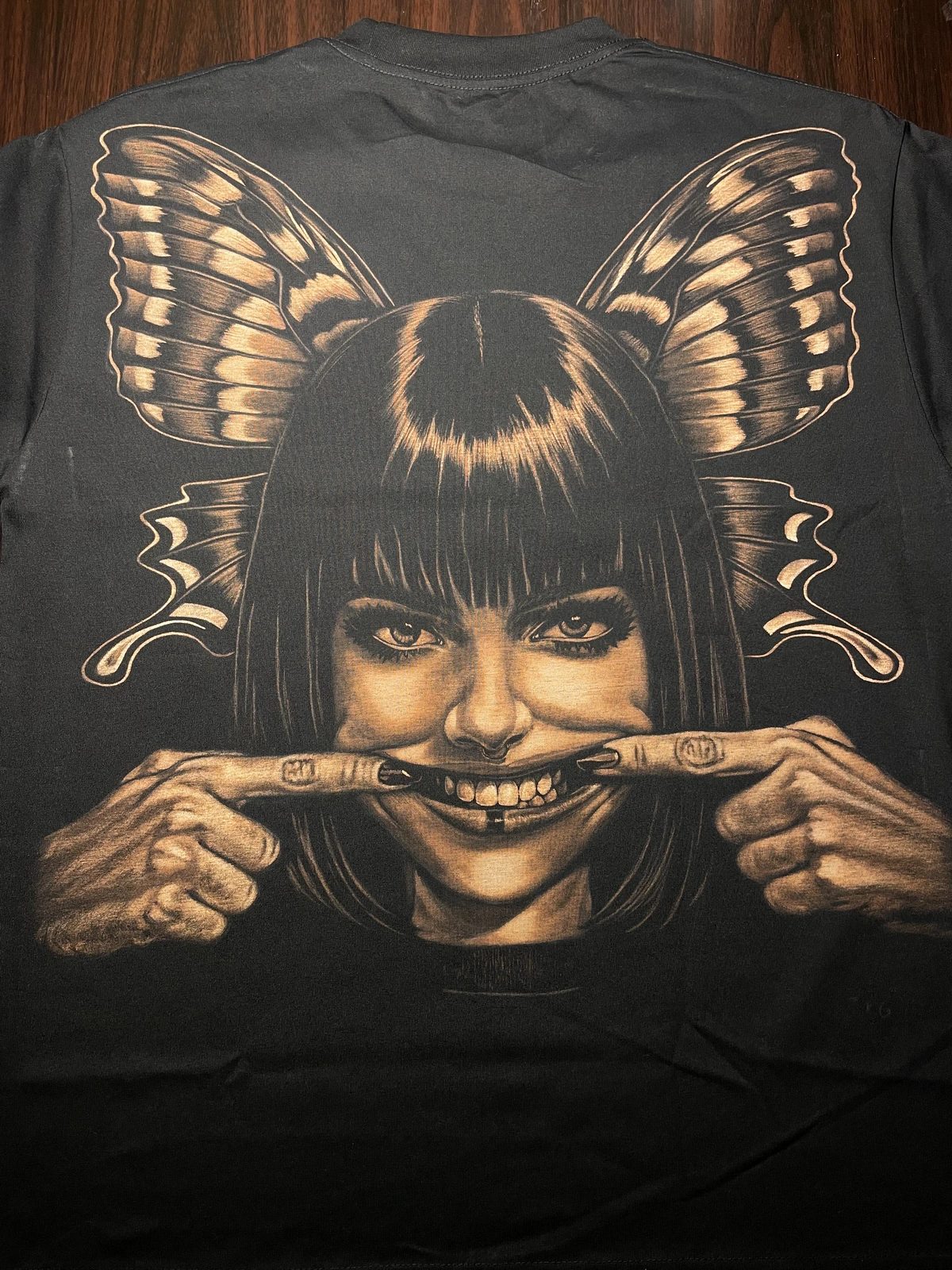
Surreal Portrait
Distorted Smile Girl
A dark artistic composition combining a female portrait, distorted expression, and detailed butterfly wings.
View This Artwork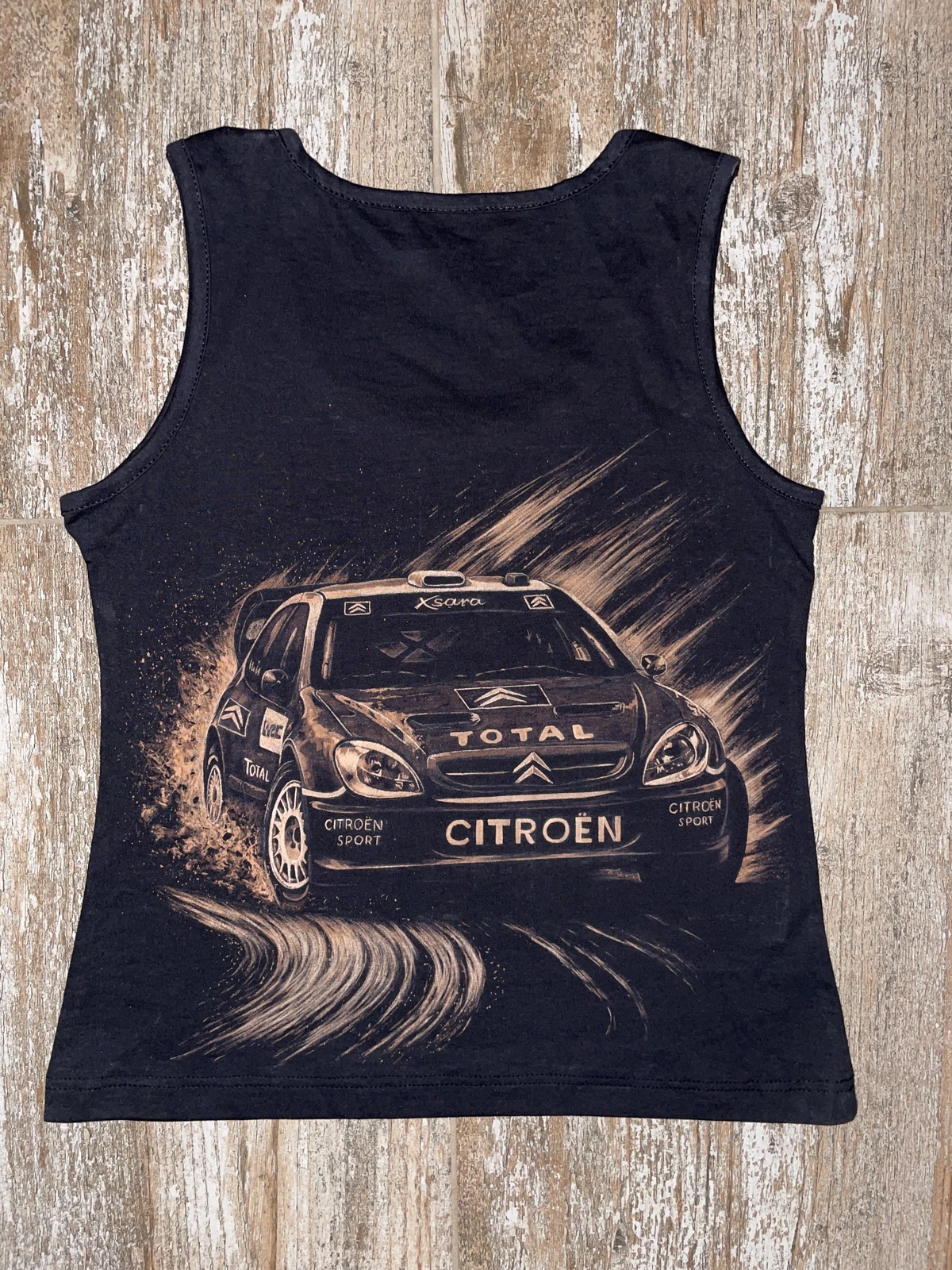 Video
Video
Automotive Art
Rally Car Bleach Shirt
A detailed automotive composition showing how motion, reflections, and mechanical forms can become artistic clothing.
Watch the Process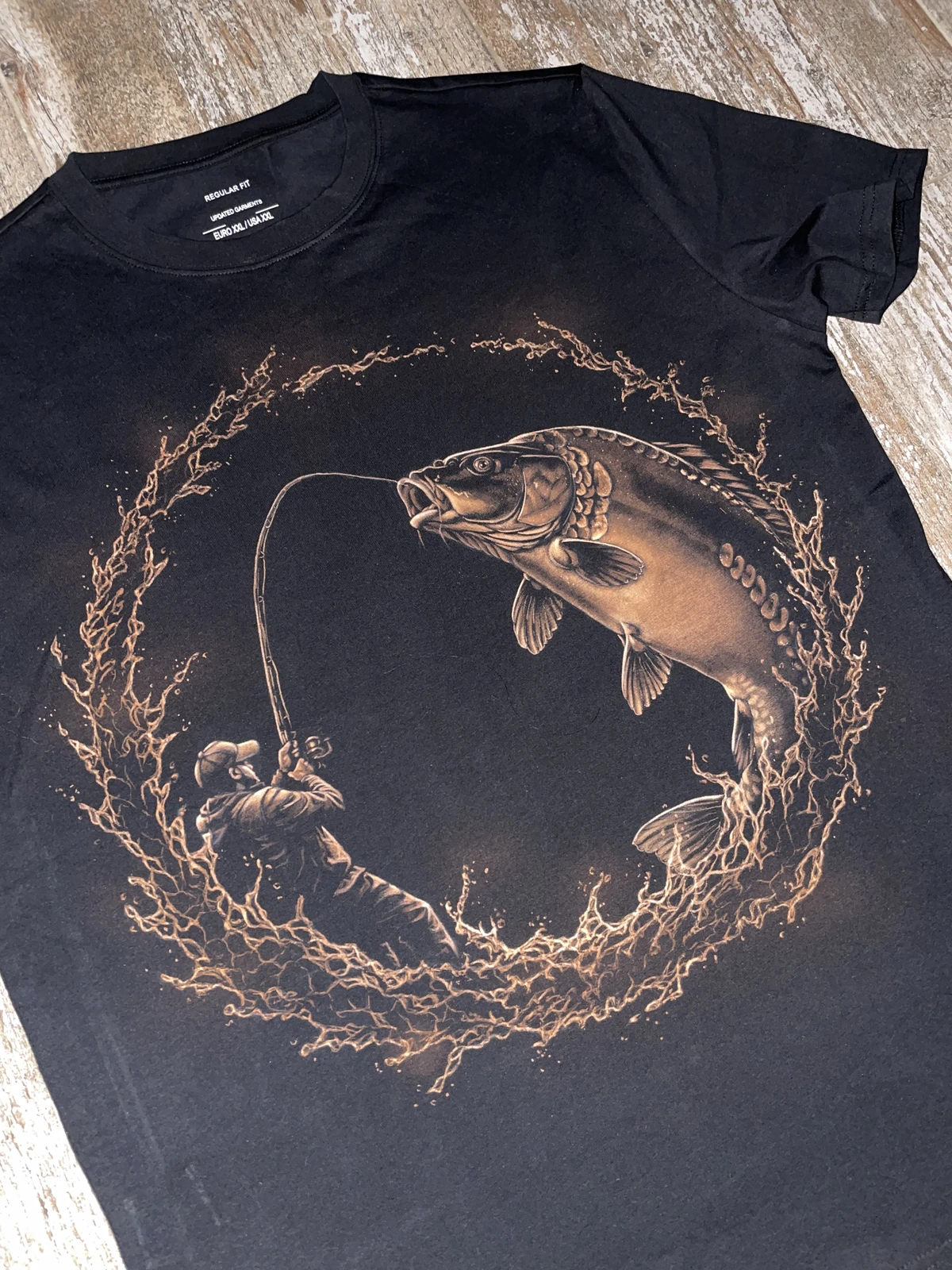 Video
Video
Fishing Design
Mirror Carp Bleach Art
Realistic wildlife detail turns this fishing T-shirt into personal unique clothing.
Watch This Artwork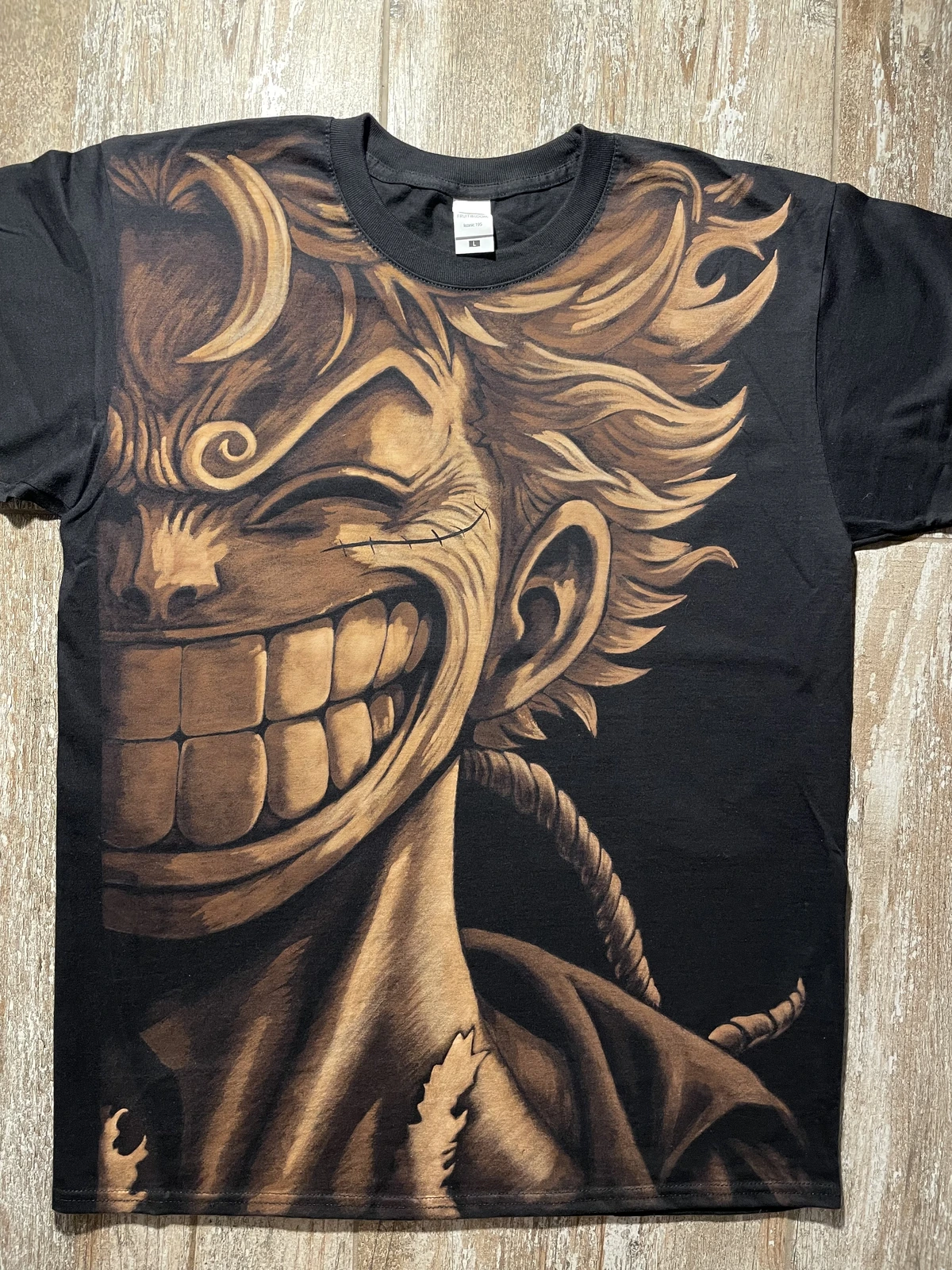
Anime-Inspired Art
Luffy Gear 5 T-Shirt
A dynamic pop culture design transformed into expressive bleach shirt art.
View This Artwork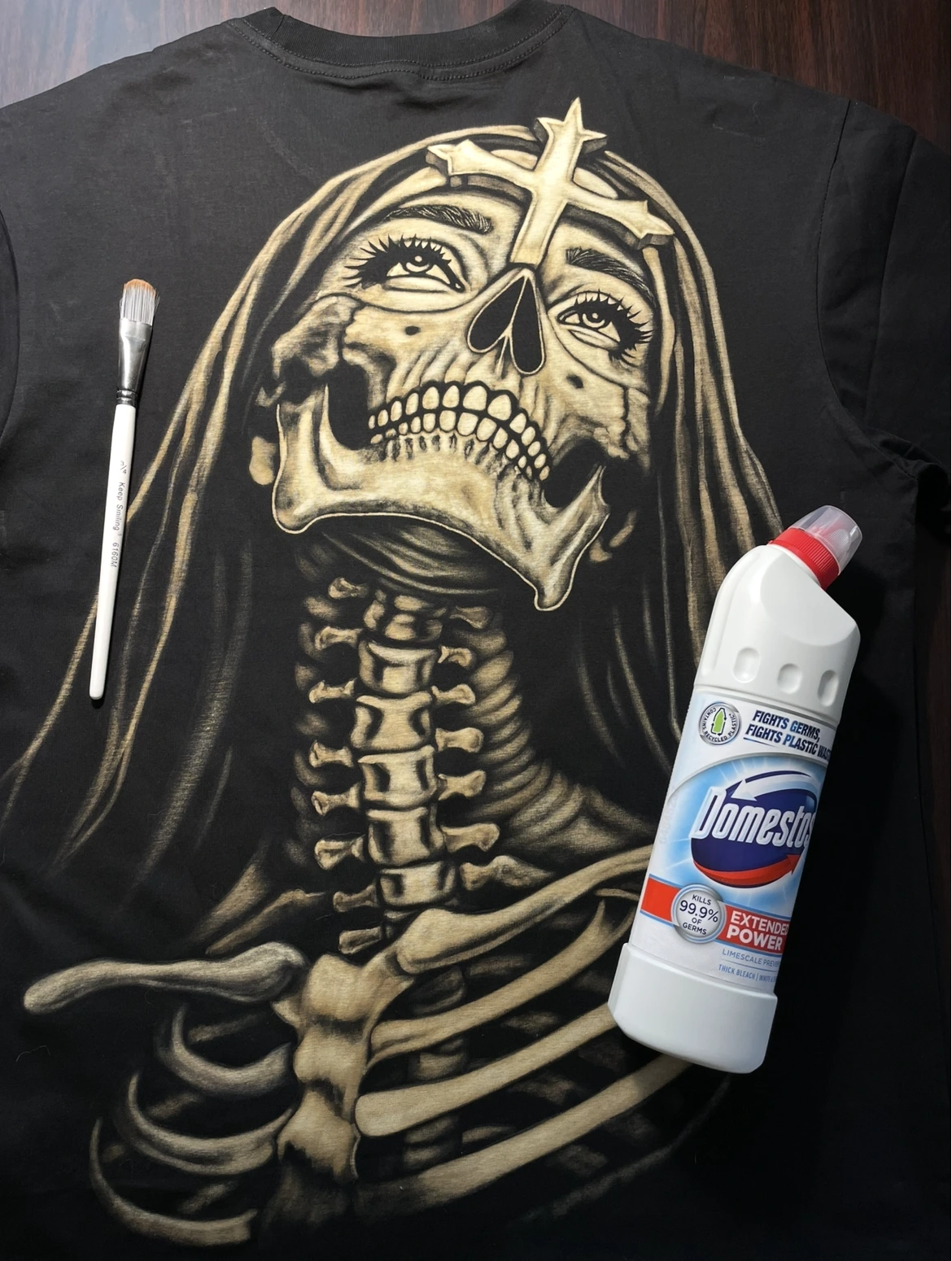
Gothic Clothing
Skeleton Nun T-Shirt
Dramatic light and bone detail create a distinctive piece of dark artistic clothing.
View This Artwork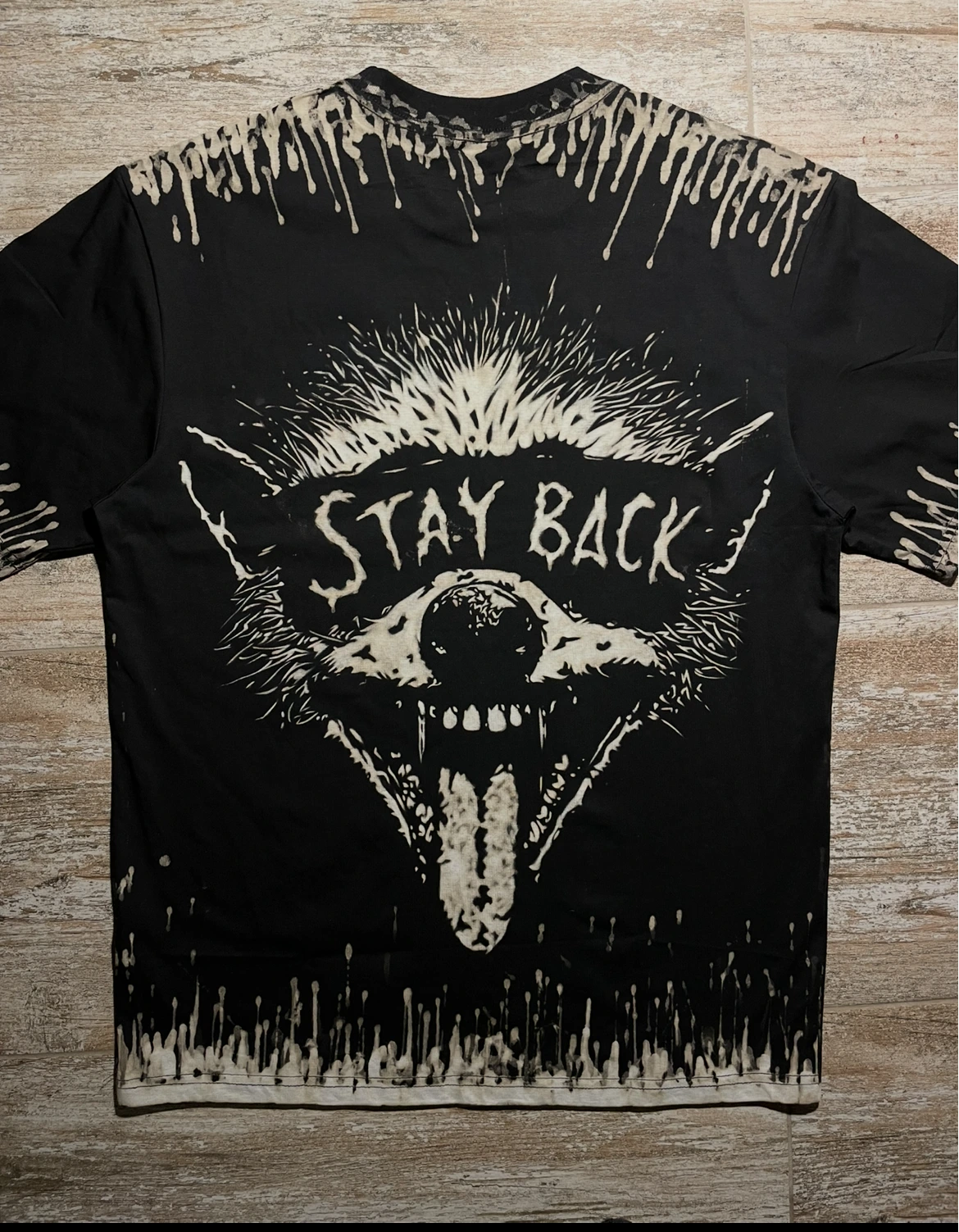
Animal Streetwear
Stay Back Raccoon
Fine fur texture, expressive eyes, and layered contrast make this one of the most detailed hand-painted shirts.
View This Artwork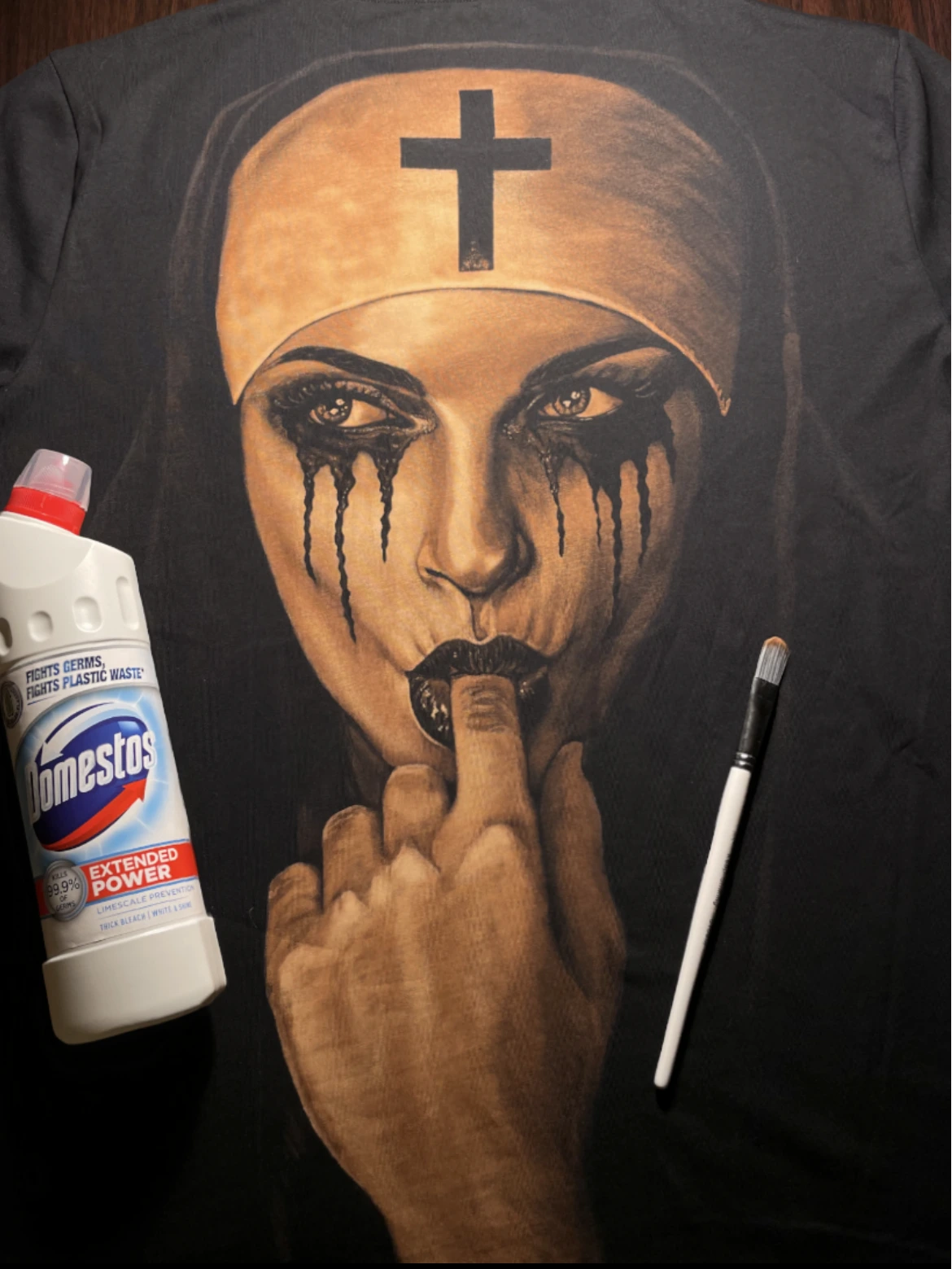
Dark Statement Art
Brutal Nun T-Shirt
A confrontational gothic portrait created through strong highlights, dark shadows, and intentional bleach painting.
View This Artwork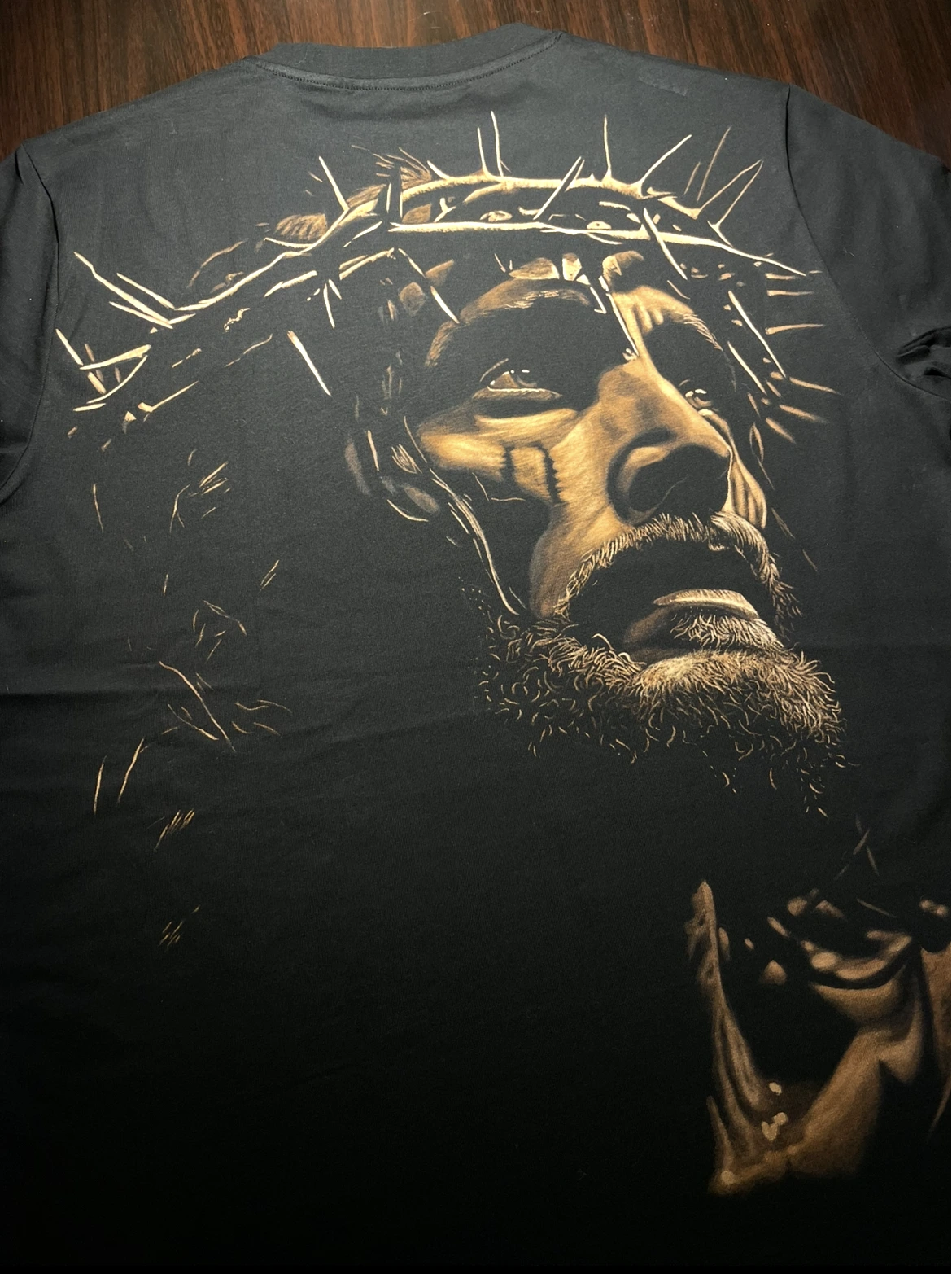
Religious Artwork
Jesus Bleach Art T-Shirt
A detailed religious portrait showing how bleach painting clothes can create emotional and symbolic wearable art.
View This ArtworkSee More Handmade Bleach Art
Explore Finished Designs, Process Videos, and Available Clothing
Browse the complete bleach art gallery, watch real clothing being painted, discover sold and top-rated designs, or find a handmade piece currently available.
Free Guides · Process Videos · Future Workshops
Learn Bleach Art
Learn how to do bleach art through free guides, practical videos, and detailed bleach painting techniques. Start with a beginner-friendly process, then explore fabric selection, design transfer, brushwork, neutralization, and safe finishing.
Start Learning for Free
Bleach Art Tutorials and Practical Guides
Choose the guide that matches your current question, from your first bleach art tutorial to detailed fabric and neutralization advice.
Watch the Technique
Beginner-Friendly Bleach Art Videos
Materials · Fabrics · Bleach Painting Basics
Bleach Art FAQ
Quick answers to common questions about bleach, fabric, tools, washing, and bleach art on clothes. These answers provide the essentials, while the linked guides explain each topic in more detail.
What Bleach to Use for Bleach Painting?
Regular liquid chlorine bleach is usually the most versatile choice for detailed bleach painting because it can be diluted for soft shadows or used in stronger concentrations for brighter highlights. Bleach pens and gels are better suited to lettering, outlines, stencils, and controlled marks. Always test the exact product and fabric before starting the main design.
Read the Bleach Painting GuideCan You Use a Bleach Pen for Clothes?
Yes. A bleach pen for clothes can work well for lettering, small symbols, outlines, and simple designs. Its thicker formula is easier to place than liquid bleach, but it is less useful for soft shading, realistic textures, and wide tonal transitions.
Can You Use Bleach Gel for Clothes?
Yes, bleach gel for clothes can be useful for stencils, thick lines, lettering, and bold decorative shapes. Because gel products may contain thickeners, fragrance, or other additives, they can penetrate fabric differently from ordinary liquid bleach. Test the formula before using it on visible areas.
Can You Bleach Cotton Shirts?
Yes. Cotton shirts are usually the best starting point for bleach art because cotton absorbs liquid well and often reveals a visible color change. However, two shirts labeled 100% cotton may still bleach to completely different shades, including white, grey, orange, brown, or copper.
Read the Cotton vs Polyester GuideCan You Bleach Polyester Shirts?
Sometimes, but polyester often reacts weakly or does not visibly change. Synthetic fibers are dyed differently from cotton, so household bleach may not remove the color effectively. Cotton-polyester blends can produce uneven results because the cotton fibers react while the polyester remains darker. Always test the exact garment first.
Learn More About Polyester and BleachHow to Bleach a Black Shirt?
Start by testing an inconspicuous area because every black fabric reacts differently. Protect the back of the garment, apply bleach gradually, neutralize the chemical reaction, then wash and dry the shirt before wearing it. A simple test often saves hours of work.
Beginner Bleach Shirt GuideHow to Bleach a Hoodie?
Bleaching a hoodie follows the same basic process as a T-shirt, but thick fabric, sleeves, pockets, and multiple layers require additional care. Always protect the inside of the hoodie to prevent bleach from soaking through.
Can Bleach Art Be Washed?
Yes. Properly finished bleach art can be washed because the artwork is created by changing the original dye inside the fabric rather than sitting on top like printed ink. Gentle washing and mild detergent help preserve both the artwork and the garment.
Washing GuideDoes Bleach Art Damage Fabric?
Bleach is a chemical and excessive amounts can weaken textile fibers. Concentrated bleach applied repeatedly to one area may eventually lead to fabric damage, even after neutralization. Careful application, controlled bleach concentration, and proper washing help reduce this risk.
Durability GuideIs Bleach Art the Same as Reverse Tie-Dye?
No. Reverse tie-dye usually creates abstract patterns by folding, twisting, or tying fabric before bleaching. Bleach art focuses on intentional drawing, shading, composition, and realistic details created directly with brushes or other controlled techniques.
Handmade Clothing · Original Artwork · Worldwide Shipping
Explore Bleach Art Clothing
Every design begins as a blank black garment and becomes one-of-a-kind wearable art. Whether you're looking for a finished piece, a completely custom design, or simply inspiration, there's a place to start below.
Ready to Ship
Shop Available Clothing
Browse handmade bleach art T-shirts, hoodies, and sweatshirts currently available.
Explore CollectionMade Just for You
Order a Custom Design
Turn your own idea, photo, pet, portrait, or favorite character into completely custom handmade clothing.
Start Your ProjectInspiration
Explore the Gallery
Discover hundreds of bleach art designs, creative ideas, and finished wearable artwork.
View Gallery