
How to Neutralize Bleach on Clothes After Bleach Art
To neutralize bleach on clothes after bleach art, rinse the fabric with cold water first, apply a diluted 3% hydrogen peroxide solution, rinse again, then wash the garment separately. This helps stop the bleach reaction, deactivate bleach residue, and protect the fabric before the first wash.
This guide explains what neutralizes bleach, what to do after bleach painting, whether you really need hydrogen peroxide, and why vinegar or baking soda are not the safest bleach neutralizers for fabric.
Quick Answer
What Neutralizes Bleach After Bleach Painting?
The safest way to neutralize bleach on clothes after bleach painting is to rinse the garment thoroughly with cold water, apply a diluted 3% hydrogen peroxide solution, rinse again, and then wash the garment separately. This helps stop the bleach reaction before it can continue weakening the fabric.
| Question | Short Answer |
|---|---|
| What neutralizes bleach? | Diluted 3% hydrogen peroxide is the most commonly recommended bleach neutralizer for fabric. |
| What deactivates bleach on clothes? | Cold water removes most bleach residue, while hydrogen peroxide helps stop the remaining chemical reaction. |
| Can I use vinegar? | ❌ No. Vinegar should never be mixed with chlorine bleach because it can release dangerous chlorine gas. |
| Does baking soda neutralize bleach? | ⚠️ Not reliably. Baking soda is not considered a proper bleach neutralizer for bleach art. |
| What if I don't have hydrogen peroxide? | Rinse the garment thoroughly with cold water and wash it as soon as possible. This is safer than using vinegar. |
Quick navigation
How to neutralize bleach after bleach art: jump to the answer you need
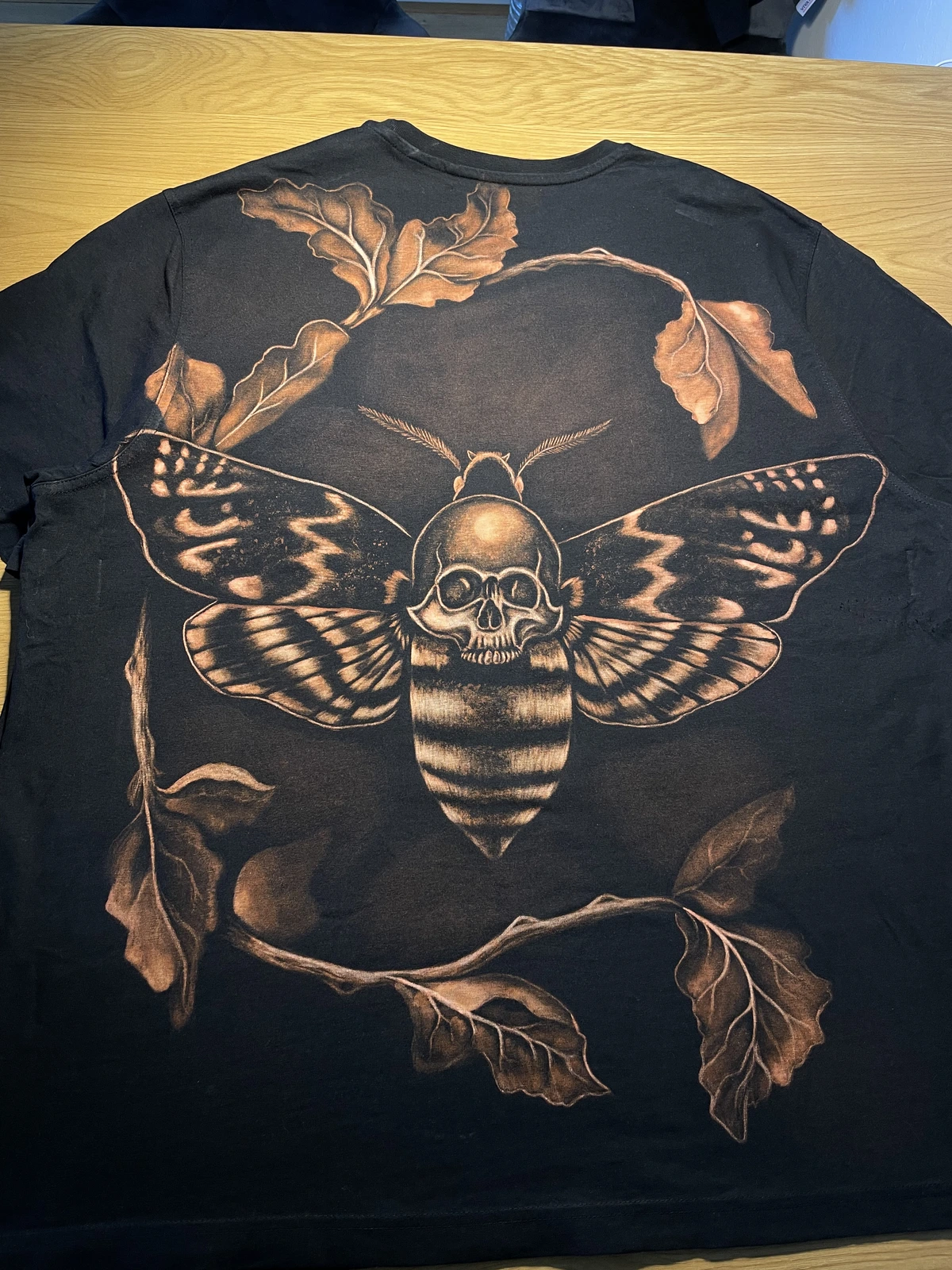
Do You Really Need to Neutralize Bleach After Bleach Painting?
Yes. If you use chlorine bleach for bleach art, you should rinse and neutralize the fabric once the design reaches the color you want. Bleach is not fabric paint sitting on top of a shirt. It is a chemical reaction inside the fibers, so the artwork can look finished while the fabric still needs aftercare.
This is why people search for how to neutralize bleach on clothes, what deactivates bleach, or how to stop bleach reaction on fabric. The goal is not to “seal” the bleach design. The goal is to stop the bleaching process before it weakens cotton, creates rough patches, or causes tiny holes later.
My rule for bleach art clothing
Once the color is developed, I do not let the garment sit with active bleach. I rinse first, neutralize with diluted hydrogen peroxide, rinse again, and only then move to the first separate wash.
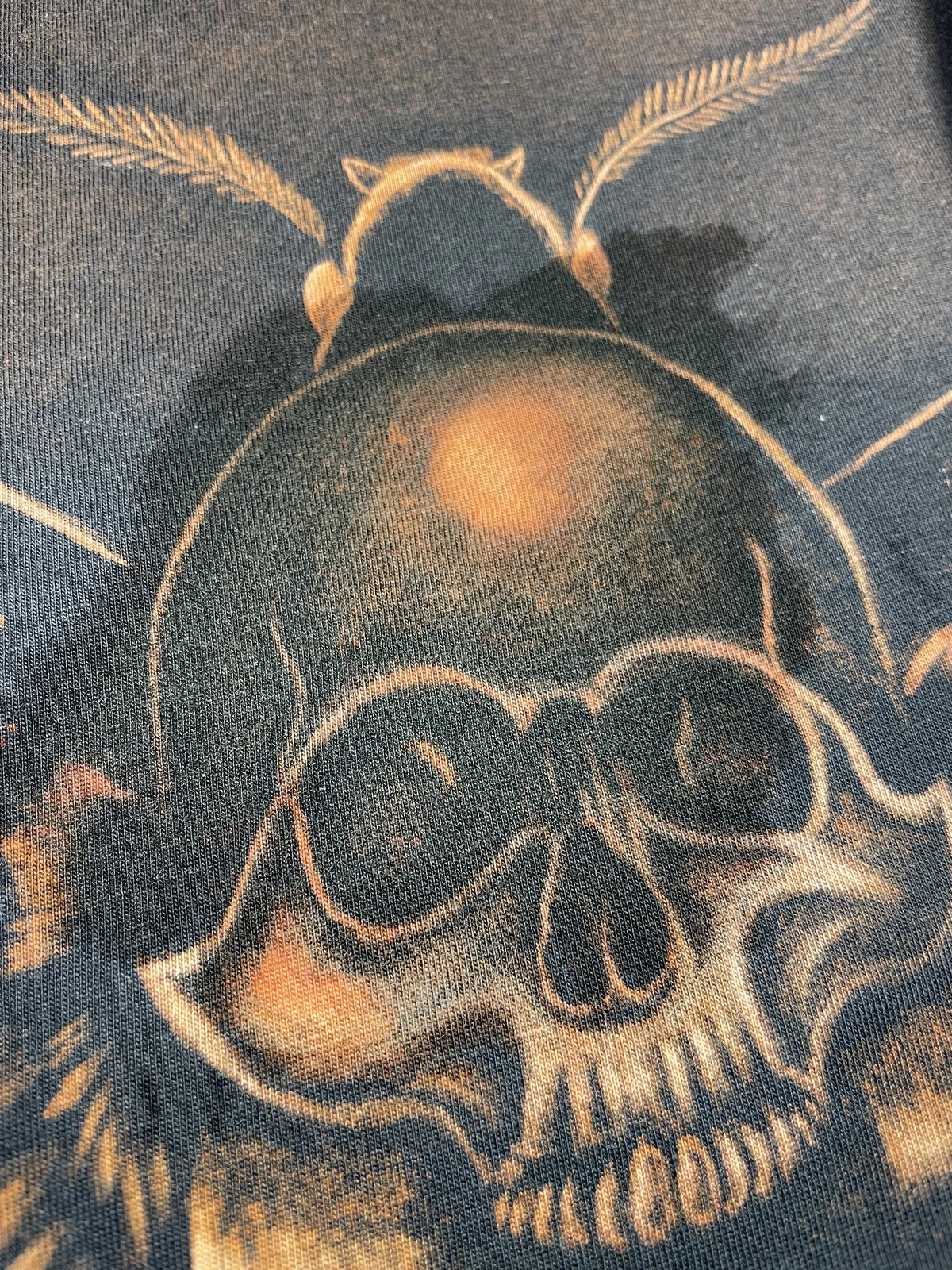
Does Bleach Keep Working After It Dries?
Yes — bleach can continue damaging fabric even after the surface looks dry. During bleach art, chlorine bleach doesn't simply sit on top of the shirt like paint. It reacts with the fabric fibers, and if active bleach residue remains inside the material, the bleaching process may continue long after the design appears finished.
This is why people often search for how to stop bleach reaction, how to stop bleach from developing, or whether bleach is still active after drying. Although the dramatic color change usually slows down, leftover bleach can continue weakening cotton fibers, making them feel rough, brittle, or thin over time.
In my experience creating bleach art clothing, this damage is most common when the bleach is left on the fabric too long, the garment dries before being rinsed, or the neutralizing step is skipped completely. The artwork may look perfect on the first day, but after a few washes the weakened areas can develop tiny holes or lose their original texture.
Quick Tip
Do not leave active bleach on clothing "just a little longer." Once the design reaches the shade you want, immediately rinse the garment with cold water and begin the neutralizing process. Waiting longer rarely improves the artwork—but it greatly increases the chance of damaging the fabric.
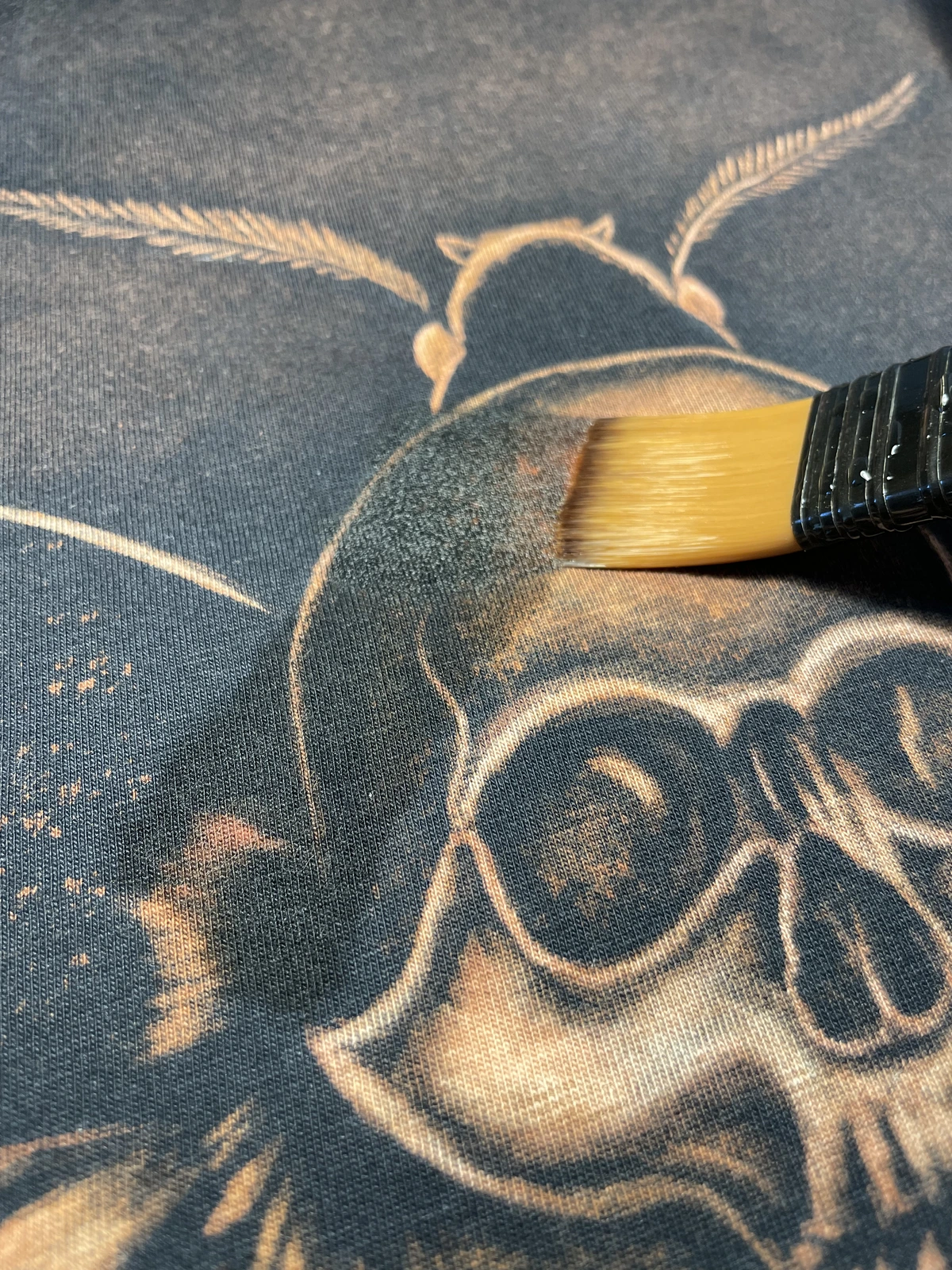
What Neutralizes Bleach on Fabric?
If you're wondering what neutralizes bleach or what deactivates bleach on clothes, the answer recommended by most bleach art artists is a diluted 3% hydrogen peroxide solution. It helps stop the remaining bleach reaction before the fibers continue to weaken.
Although people often search for a bleach neutralizer for fabric, there usually isn't a special commercial product needed for bleach art clothing. A properly diluted hydrogen peroxide solution is widely used because it is inexpensive, easy to find, and suitable for most cotton garments.
The process is simple: first rinse the garment thoroughly with cold water, then apply the diluted peroxide solution, rinse again, and finally wash the clothing separately. The goal is not to "seal" the artwork, but to stop the bleach reaction before it can continue damaging the fabric.
Recommended Bleach Neutralizer
| Neutralizer | Diluted 3% hydrogen peroxide |
| Typical Ratio | 1 part hydrogen peroxide to 10 parts water |
| When to Apply | Immediately after rinsing the bleach out |
| Final Step | Rinse again and wash the garment separately |
How to Neutralize Bleach on Clothes: Step-by-Step
Once your bleach art reaches the color you want, don't let the garment continue sitting with active bleach. The safest approach is to remove the remaining bleach, neutralize any residue, and prepare the fabric for washing. This entire process only takes a few minutes but can greatly reduce the risk of weakened fibers.
Rinse with Cold Water
Thoroughly rinse the garment with cold running water to remove as much active bleach as possible before using any neutralizer.
Apply Diluted Hydrogen Peroxide
Spray or soak the fabric with a diluted 3% hydrogen peroxide solution to help stop the remaining bleach reaction.
Rinse Again
Rinse the garment once more with clean cold water to remove both the peroxide solution and any remaining bleach residue.
Wash Separately
Finish by washing the garment separately before regular use. The complete washing process is covered later in this guide.
Why This Order Matters
One of the most common mistakes is pouring hydrogen peroxide directly onto a shirt that is still soaked with bleach. I always rinse first to remove as much bleach as possible, then use the peroxide solution, and finally rinse again. It is a cleaner, safer workflow and has consistently produced the best results in my own bleach art projects.
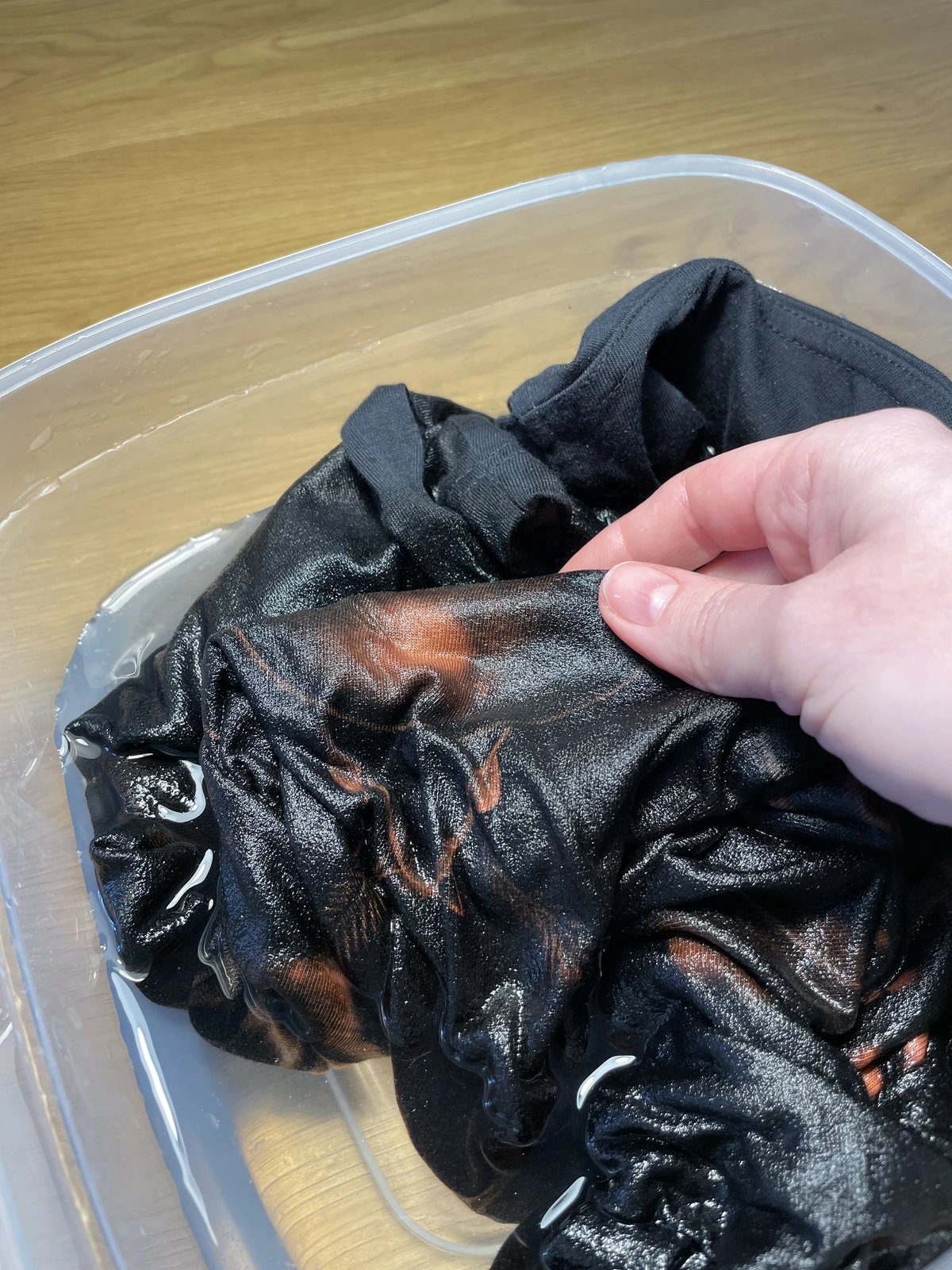
Do You Need Hydrogen Peroxide After Bleach Painting?
The short answer is yes—in most cases. If you make bleach art on cotton clothing, a diluted 3% hydrogen peroxide solution is one of the easiest and most reliable ways to help stop the remaining bleach reaction before washing the garment.
This is why so many people search for does hydrogen peroxide neutralize bleach, does hydrogen peroxide deactivate bleach, or whether hydrogen peroxide is really necessary after bleach painting. While thoroughly rinsing with cold water removes most of the bleach, hydrogen peroxide provides an extra level of protection by helping deactivate any remaining active bleach.
In my own workflow I almost always use diluted hydrogen peroxide on bleach art clothing because it is inexpensive, widely available, and easy to apply. It only adds a minute or two to the process and gives me much more confidence before the garment goes into its first wash.
Good to Know
Hydrogen peroxide should be used after the first cold rinse, not directly on clothing that is still soaked with bleach. Removing most of the bleach first makes the entire neutralizing process cleaner and safer.
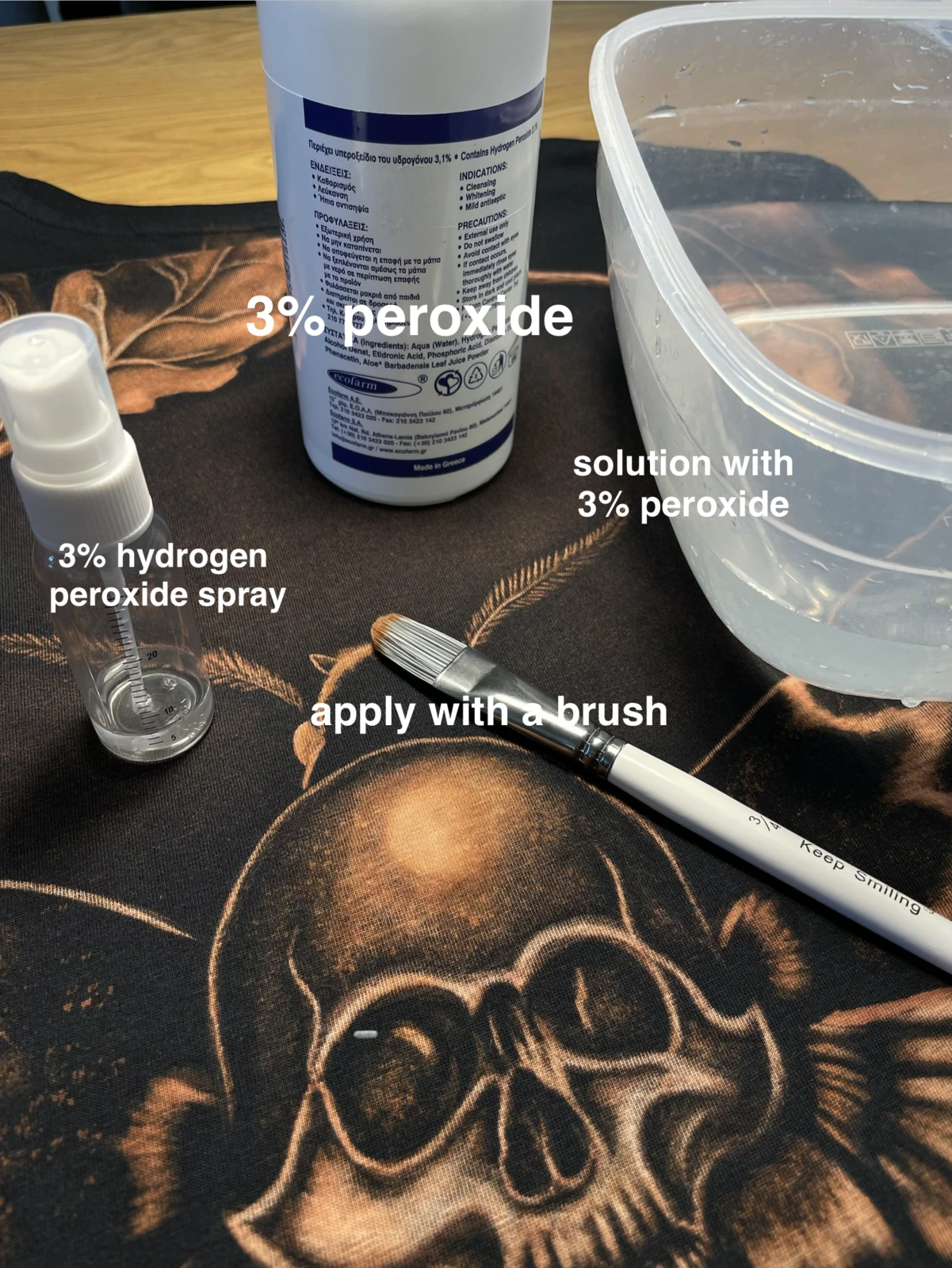
What If You Don't Have Hydrogen Peroxide?
One of the most common questions I see is: "What if I don't have hydrogen peroxide?" Fortunately, it doesn't mean your bleach art is ruined. The most important thing is to remove as much active bleach as possible instead of leaving it in the fabric.
If hydrogen peroxide isn't available, rinse the garment thoroughly under cold running water for several minutes, gently squeezing the fabric to flush out the bleach. Then wash the item separately as soon as possible using a mild detergent. This isn't quite as effective as using hydrogen peroxide, but it is a much better option than simply letting the shirt dry with active bleach inside the fibers.
Avoid These "Quick Fixes"
- ❌ Don't use vinegar to neutralize bleach.
- ❌ Don't let the garment sit overnight.
- ❌ Don't assume the reaction has stopped just because the shirt looks dry.
Does Cold Water Neutralize Bleach?
Not exactly. Cold water does not chemically neutralize chlorine bleach, but it is one of the most important steps in the entire bleach art process. A thorough rinse removes most of the active bleach from the fabric and helps slow the bleaching reaction before you apply hydrogen peroxide.
This is why I always recommend rinsing the garment first—even if you plan to use hydrogen peroxide afterwards. Removing as much bleach as possible makes the neutralizing step cleaner, safer, and more effective.
Cold Water vs. Hydrogen Peroxide
| Method | What It Does |
|---|---|
| Cold Water | Flushes bleach out of the fibers but does not chemically deactivate it. |
| Hydrogen Peroxide | Helps deactivate the remaining bleach after most of it has been rinsed away. |
Does Baking Soda Neutralize Bleach?
Not reliably. Baking soda is often recommended online for cleaning and removing odors, so it's understandable why many people ask does baking soda neutralize bleach or can you neutralize bleach with baking soda. However, baking soda is generally not considered an effective bleach neutralizer for bleach art clothing.
Baking soda may help reduce odors or make the first wash feel fresher, but it should not replace thorough rinsing and proper bleach aftercare. If active bleach remains inside the fibers, the chemical reaction may continue even if baking soda has been used.
For bleach art on cotton shirts and hoodies, I always recommend removing as much bleach as possible with cold water first. If hydrogen peroxide is available, use it as the neutralizing step. Baking soda can still be used later during normal laundry if you wish, but I would not rely on it to stop the bleach reaction itself.
Myth vs. Fact
| Myth | Baking soda completely neutralizes chlorine bleach. |
| Fact | Baking soda may help with odor or cleaning, but it is not considered a reliable way to stop the bleach reaction inside fabric fibers. |
Does Vinegar Neutralize Bleach?
⚠️ Never Mix Vinegar and Chlorine Bleach
No. Vinegar is not a safe bleach neutralizer for bleach art clothing. Mixing vinegar (an acid) with chlorine bleach can release dangerous chlorine gas, which can seriously irritate your eyes, throat, and lungs.
Many people search for does vinegar neutralize bleach, can vinegar neutralize bleach, or will vinegar neutralize bleach because vinegar is commonly used for household cleaning. However, bleach art is different. Vinegar should never be poured onto fabric that still contains active chlorine bleach.
If you've just finished bleach painting, the safest workflow is much simpler: rinse the garment thoroughly with cold water, use diluted hydrogen peroxide if available, rinse again, and then wash the clothing separately. This approach helps stop the bleach reaction without creating unnecessary chemical hazards.
Safe vs. Unsafe
| Method | Recommendation |
|---|---|
| Cold water rinse | ✅ Always recommended |
| Diluted 3% hydrogen peroxide | ✅ Recommended after rinsing |
| Vinegar on active bleach | ❌ Never recommended |
Bleach Neutralization Methods Compared
Here's a quick comparison of the most common methods people ask about after finishing bleach art on clothing.
| Method | Stops Bleach Reaction | Safe for Fabric | Recommended |
|---|---|---|---|
| Cold Water | Removes most bleach but does not chemically neutralize it. | ✅ | Always the first step. |
| Diluted Hydrogen Peroxide | Helps deactivate the remaining bleach reaction. | ✅ | ⭐ Best Choice |
| Baking Soda | Not a reliable bleach neutralizer. | ✅ | Limited use. |
| Vinegar | Never use on active chlorine bleach. | ❌ | Never recommended. |
What to Do After Bleach Painting
Once your bleach art reaches the color you want, the artwork isn't quite finished yet. Proper aftercare helps stop the bleach reaction, protects the fabric, and prepares the garment for everyday wear. If you're wondering what to do after bleach painting, the process is actually very straightforward.
Finish the Design
Stop once the desired color develops.
Cold Rinse
Flush out as much bleach as possible.
Neutralize
Use diluted hydrogen peroxide if available.
Wash
Wash separately using a mild detergent.
Air Dry
Let the garment dry naturally.
Ready to Wear
Enjoy your finished bleach art clothing.
These are the essential steps for what to do after bleaching a shirt, what to do after bleaching a hoodie, or any other bleach art clothing. Most of the work is finished once the bleach reaction has been stopped properly.
Continue Reading
This guide focuses on neutralizing bleach. For detailed washing instructions—including water temperature, detergent, drying, and long-term care—read our complete guide:
→ How to Wash Bleach Art ClothingCommon Mistakes When Neutralizing Bleach
Most bleach art projects are not ruined while you're painting—they're ruined afterwards. These are the mistakes I see most often when people try to stop the bleach reaction or finish bleach painting clothes.
❌ Leaving Bleach on Too Long
Once the desired color appears, remove the bleach. Waiting longer rarely improves the artwork but greatly increases the chance of weakened fibers, rough texture, or tiny holes developing later.
❌ Skipping the First Cold Rinse
Rinsing first removes most of the active bleach. Skipping this step means the bleach can continue reacting while you move on to the next stage.
❌ Using Vinegar on Active Bleach
Vinegar should never be mixed with chlorine bleach. It is not a safe bleach neutralizer and may release dangerous chlorine gas.
❌ Assuming the Shirt Is Safe Because It Looks Dry
A dry surface does not always mean the bleach reaction has stopped. Bleach trapped inside the fibers can continue weakening the fabric if it hasn't been properly rinsed and neutralized.
❌ Drying Before the First Wash
Let the garment complete its rinse, neutralization, and first wash before exposing it to unnecessary heat. Air drying is usually the safest option after bleach art.
❌ Forgetting That Every Fabric Reacts Differently
Cotton, cotton blends, and synthetic fabrics do not all respond to bleach in the same way. Monitor the reaction carefully instead of relying only on timing.
Expert Tip
The biggest improvement I made to my own bleach art process wasn't changing the artwork itself—it was improving the aftercare. Rinsing immediately, neutralizing properly, and avoiding shortcuts has dramatically reduced fabric damage while keeping the finished designs looking clean and vibrant.
If the bleach has already damaged the garment, you may still be able to turn the affected area into part of a new design. See How to Fix Bleach Stains on Clothes for creative repair ideas.
The Same Shirt. Two Different Outcomes.
Neutralizing bleach isn't about making the artwork brighter or darker. It's about protecting the fabric after the design is finished. A few extra minutes of proper aftercare can be the difference between a shirt that lasts for years and one that begins to weaken after only a few washes.
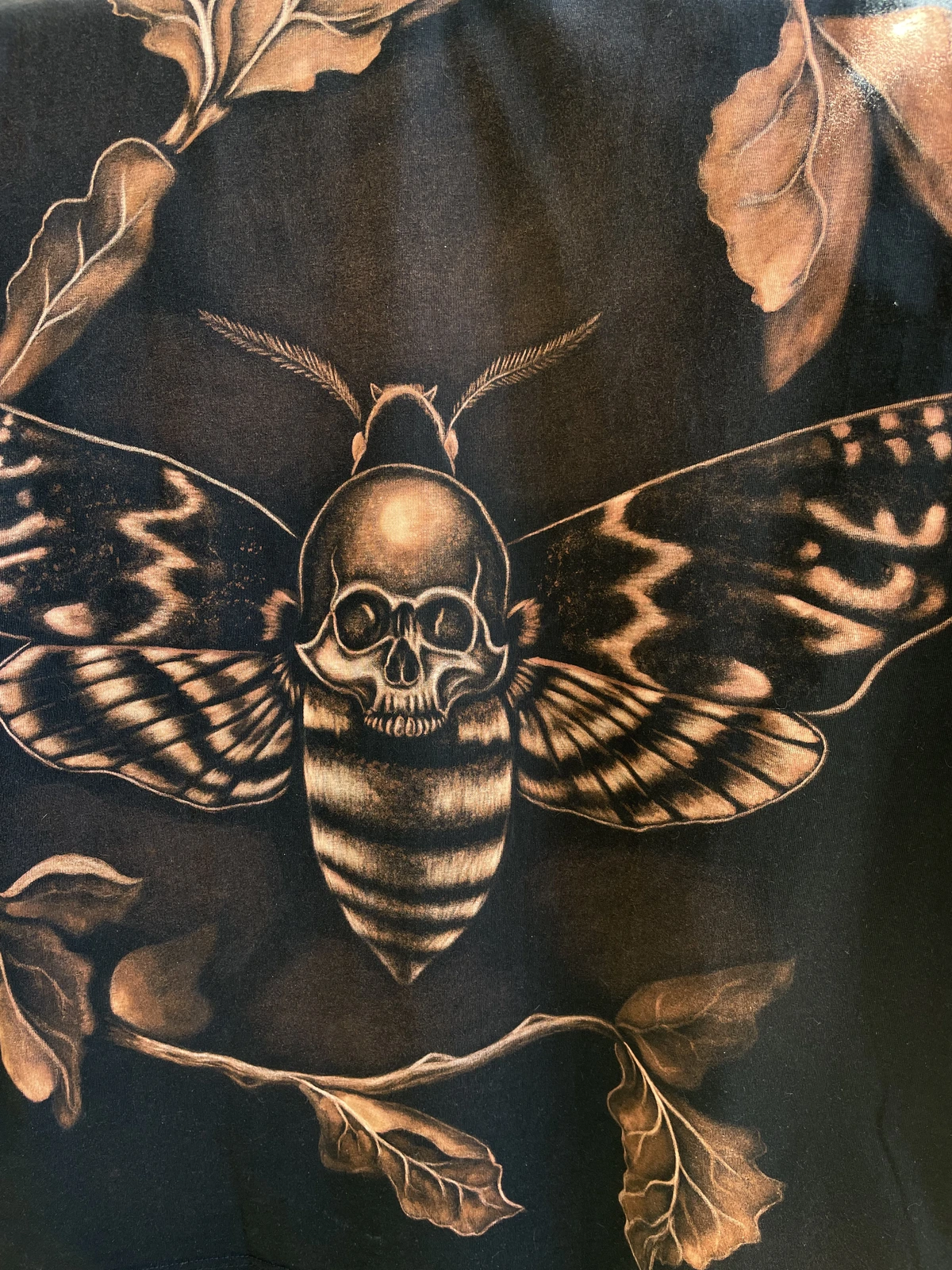
✔ Properly Neutralized
- ✓ Bleach reaction has been stopped.
- ✓ Fabric stays softer and stronger.
- ✓ The artwork is ready for its first wash.
- ✓ Better long-term durability for everyday wear.
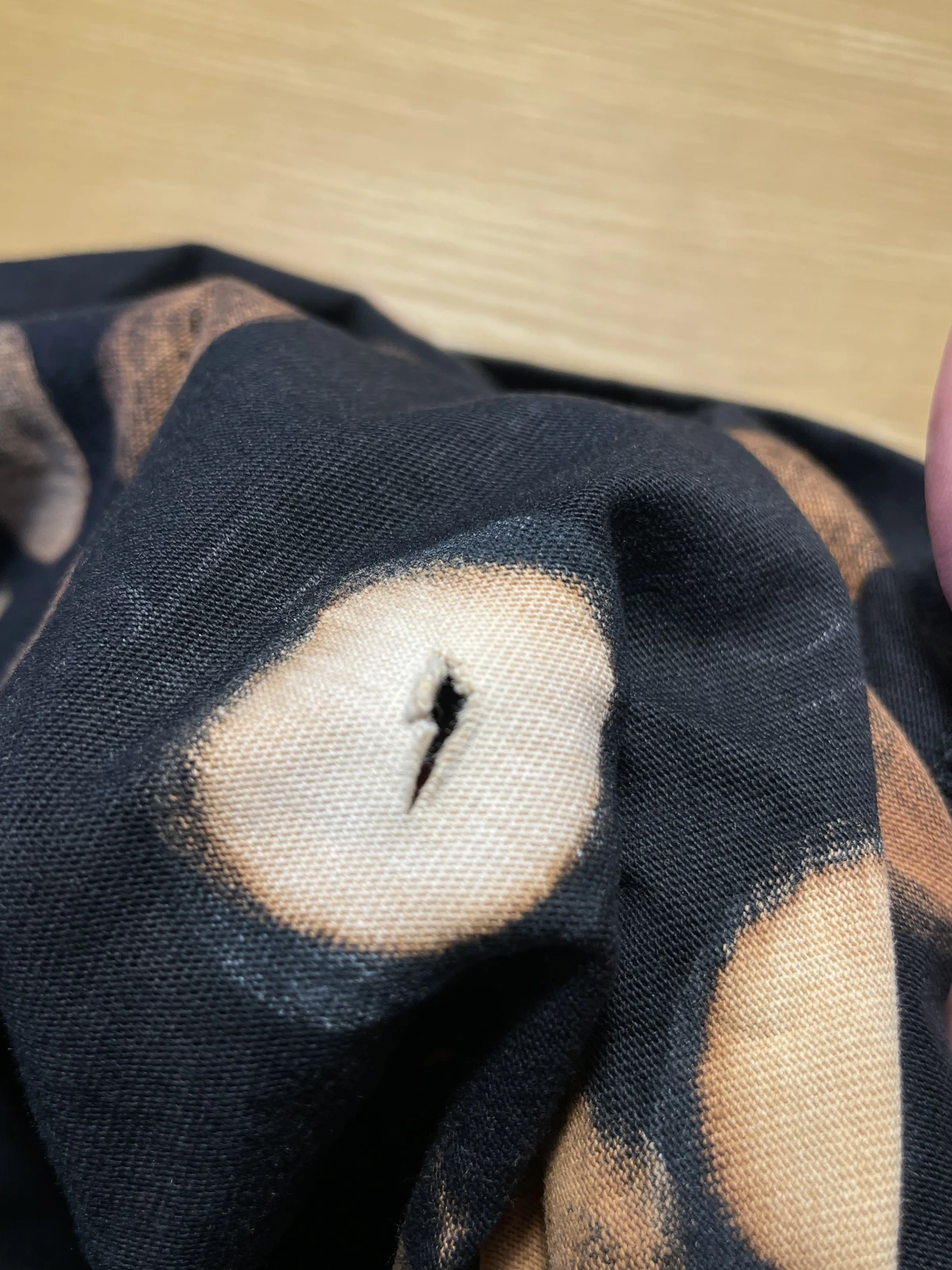
✖ Bleach Left Active
- ✖ Bleach continues weakening the fibers.
- ✖ Rough texture and brittle areas may develop.
- ✖ Tiny holes can appear after washing or wearing.
- ✖ The garment may have a much shorter lifespan.
My Final Advice
Over time I've learned that creating beautiful bleach art is only half of the process. The real difference comes from what happens after the artwork is finished. Rinsing at the right moment, neutralizing the remaining bleach, and giving the garment proper aftercare takes only a few extra minutes—but it can dramatically improve the life of your bleach art clothing.
FAQ About Neutralizing Bleach on Clothes
What neutralizes bleach on clothes?
Diluted 3% hydrogen peroxide is the most common bleach neutralizer for fabric. For bleach art clothing, rinse with cold water first, apply diluted hydrogen peroxide, rinse again, then wash separately.
What deactivates bleach on fabric?
Cold water helps remove most bleach from the fabric, while diluted hydrogen peroxide helps deactivate the remaining bleach reaction.
Do you have to neutralize bleach on clothes?
Yes, if you used chlorine bleach for bleach art, it is safest to rinse and neutralize the garment before washing. This helps prevent fiber damage, rough texture, and tiny holes.
Does hydrogen peroxide neutralize bleach?
Yes. Hydrogen peroxide is commonly used to help neutralize chlorine bleach on fabric after the first cold rinse.
How do you neutralize bleach without peroxide?
Rinse the garment thoroughly with cold running water for several minutes, then wash it separately as soon as possible. This is not as strong as using hydrogen peroxide, but it is safer than letting bleach dry inside the fibers.
Does cold water neutralize bleach?
No, cold water does not chemically neutralize bleach. It rinses most of the bleach out of the fabric, which is why it should always be the first step.
Does baking soda neutralize bleach?
Not reliably. Baking soda may help with odor or cleaning, but it should not replace rinsing and proper bleach neutralization.
Does vinegar neutralize bleach?
No. Do not use vinegar to neutralize bleach on clothing. Mixing vinegar with chlorine bleach can release dangerous chlorine gas.
How do you stop bleach from developing on clothes?
Stop the bleach reaction by rinsing the fabric with cold water as soon as the color reaches the shade you want. Then neutralize with diluted hydrogen peroxide if available.
What should I do after bleach painting a shirt?
Rinse the shirt with cold water, neutralize the bleach, rinse again, wash separately with mild detergent, and air dry.
What should I do after bleaching a hoodie?
Treat a hoodie the same way as a shirt, but rinse it more thoroughly because thicker fabric can hold more bleach. After neutralizing, wash it separately and let it air dry.
Can bleach keep damaging fabric after painting?
Yes. If bleach residue remains inside the fibers, it can continue weakening the fabric even after the design looks finished.
Should I wash clothes after neutralizing bleach?
Yes. After neutralizing and rinsing again, wash the garment separately before wearing it or storing it.
Can I seal bleach art on clothes?
Bleach art does not need to be sealed like fabric paint. The design is created by changing the fabric dye itself. The important step is neutralizing the bleach and washing the garment correctly.
Want Bleach Art Without Risking Your Own Clothes?
Bleach art looks effortless when it is finished, but the process takes control, timing, rinsing, neutralizing, washing, and fabric knowledge. If you love the look but do not want to experiment on your own shirt or hoodie, you can order a handmade custom bleach art piece created with proper aftercare from the start.
Related Bleach Art Guides
Continue with the next step in the bleach art process, or explore the full beginner guide and fabric recommendations.
How to Wash Bleach Art Clothing
Learn how to wash bleach art safely after neutralizing, including cold water, detergent, drying, and long-term care.
Beginner GuideHow to Make Bleach Art on a Shirt
A beginner-friendly guide to planning, applying bleach, controlling the design, and finishing a shirt safely.
Fabric GuideBest Fabrics for Bleach Art
See why cotton reacts strongly, why polyester can be unpredictable, and how fabric choice affects bleach art results.
Complete GuideBleach Art on Clothing: Complete Guide
Understand the full bleach art process, from fabric reaction and design ideas to aftercare and durability.