
How to Paint With Bleach on Clothes: Complete Bleach Painting Guide
Bleach painting is a way of creating artwork by removing dye from fabric instead of adding color on top. If you are learning how to paint with bleach, this guide explains how the process works, what tools you need, which clothes react best, and how to avoid the most common mistakes when painting clothes with bleach.

Quick navigation
Bleach painting guide: Jump to sections
Quick Answer: What Is Bleach Painting?
Bleach painting is a fabric art technique where bleach is applied with brushes, stencils, spray bottles, or controlled drops to remove dye from clothing. On black cotton shirts and hoodies, the result often appears orange, copper, cream, or pale beige. Unlike fabric paint, bleach does not sit on top of the fabric — it changes the fabric color itself.
The easiest way to start is with a black cotton shirt, cardboard inside the garment, gloves, chalk, small brushes, and regular household bleach. For detailed artwork, thin controlled layers work better than flooding the fabric.
What Is Bleach Painting?
Bleach painting on clothes is the process of drawing on fabric with bleach. Instead of adding pigment, you remove part of the existing dye. This is why bleach painting has a different look from printing, screen printing, heat transfer vinyl, or regular fabric paint.
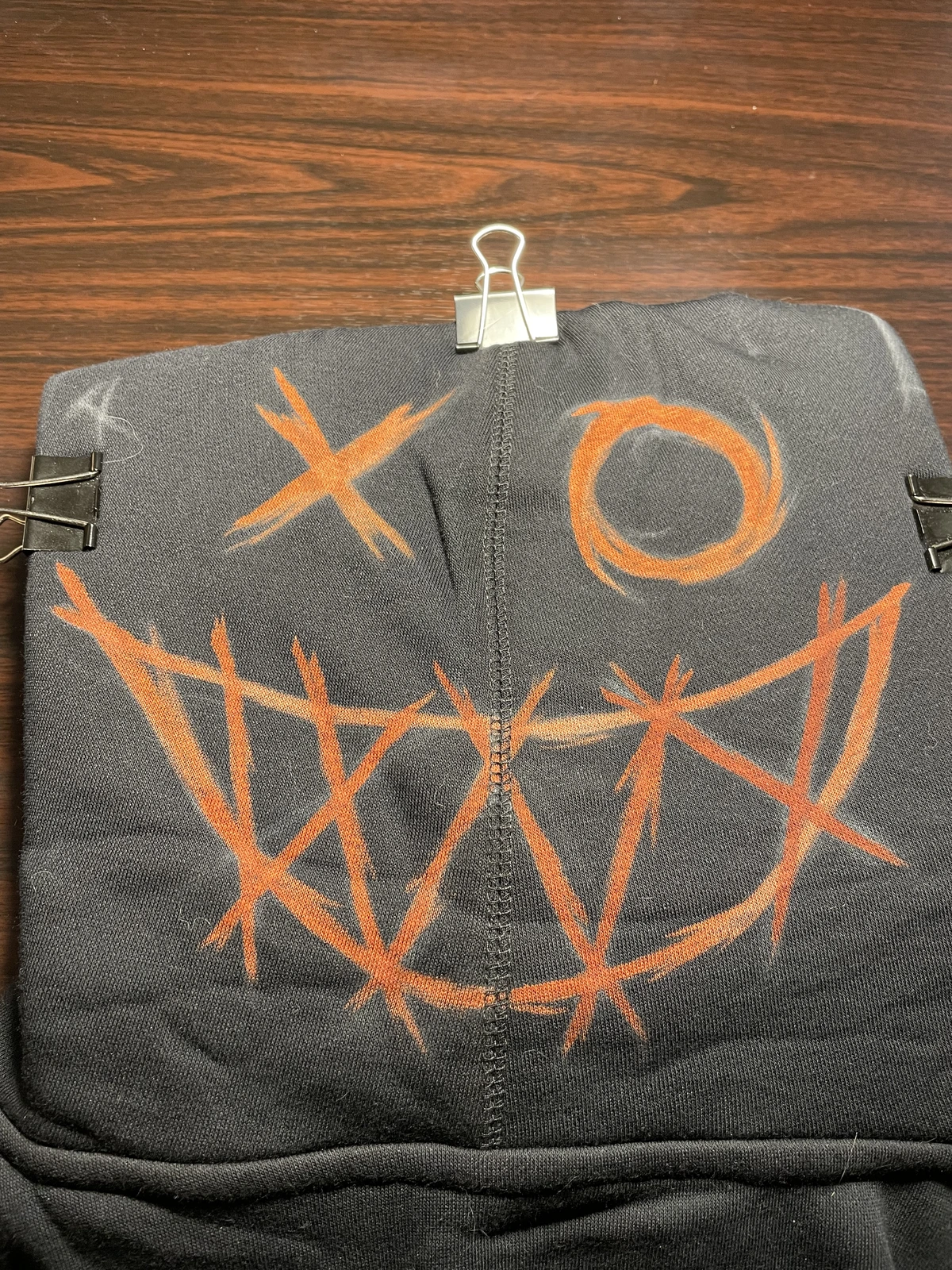
When bleach touches dyed fabric, it starts breaking down the color. On many black cotton garments, the fabric does not turn pure white. It often shifts through warm tones first: dark brown, orange, copper, rust, cream, or pale yellow. These uneven tones are part of what makes bleach painting art feel raw, handmade, and alive.
A printed shirt can be repeated thousands of times. A bleach painted shirt cannot. Even if the same design is repeated, the fabric reaction, brush pressure, dye formula, age of the garment, and timing will create small differences. That unpredictability is one of the reasons handmade bleach painted clothes feel more personal than mass-produced prints.
How Bleach Painting Works on Fabric
Bleach painting fabric works through oxidation. The bleach reacts with the dye molecules in the textile and changes how they reflect color. That is why the artwork appears as a lighter mark inside the fabric, not as a raised layer on top of it.
Black fabric is especially popular because the contrast is dramatic. But not all black clothing reacts the same way. One black cotton shirt may turn bright orange. Another may become beige. A black hoodie can react slower because the fabric is thicker. Polyester may barely change at all, because synthetic fibers and synthetic dye systems often resist bleach more than cotton.
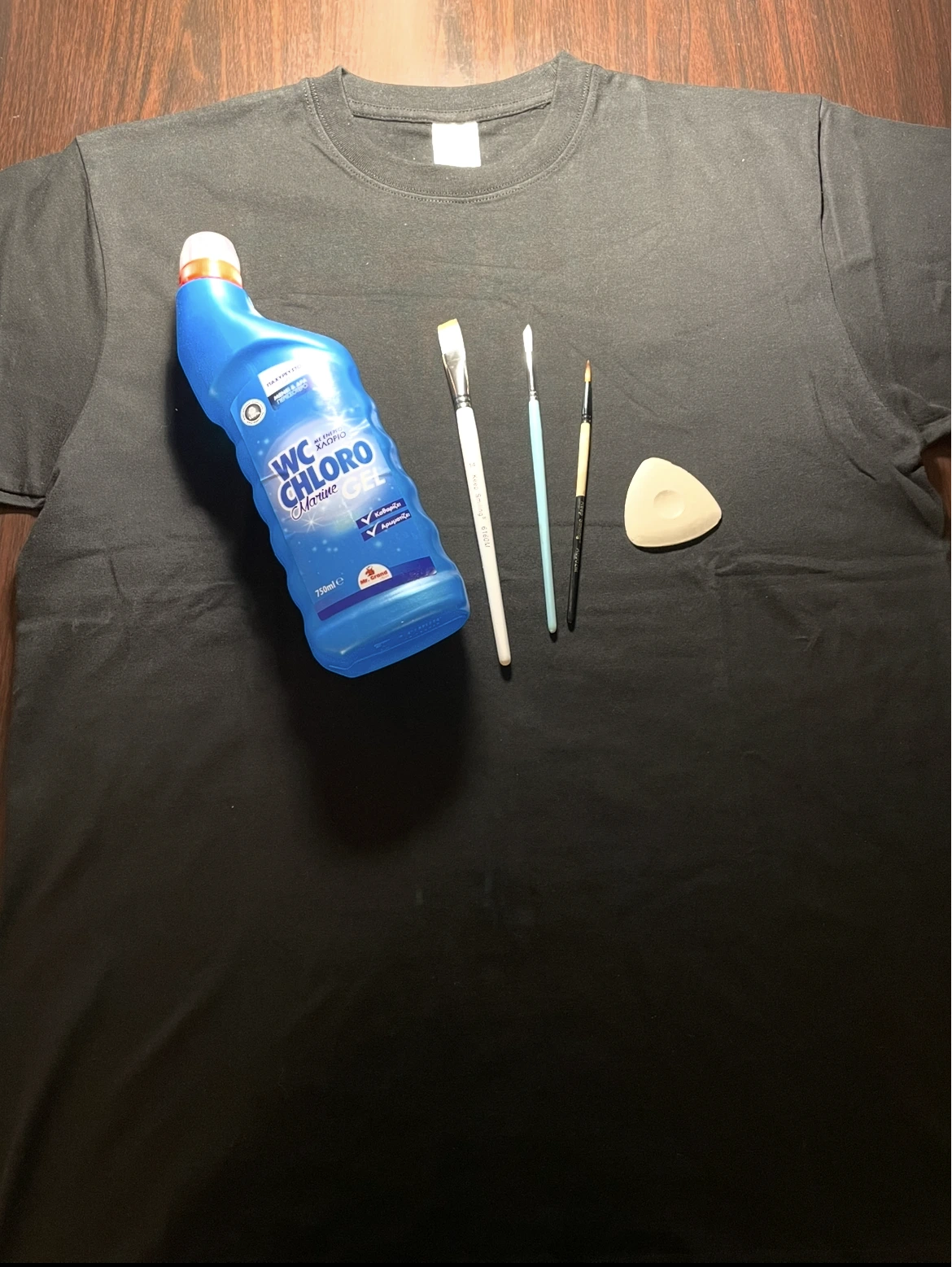
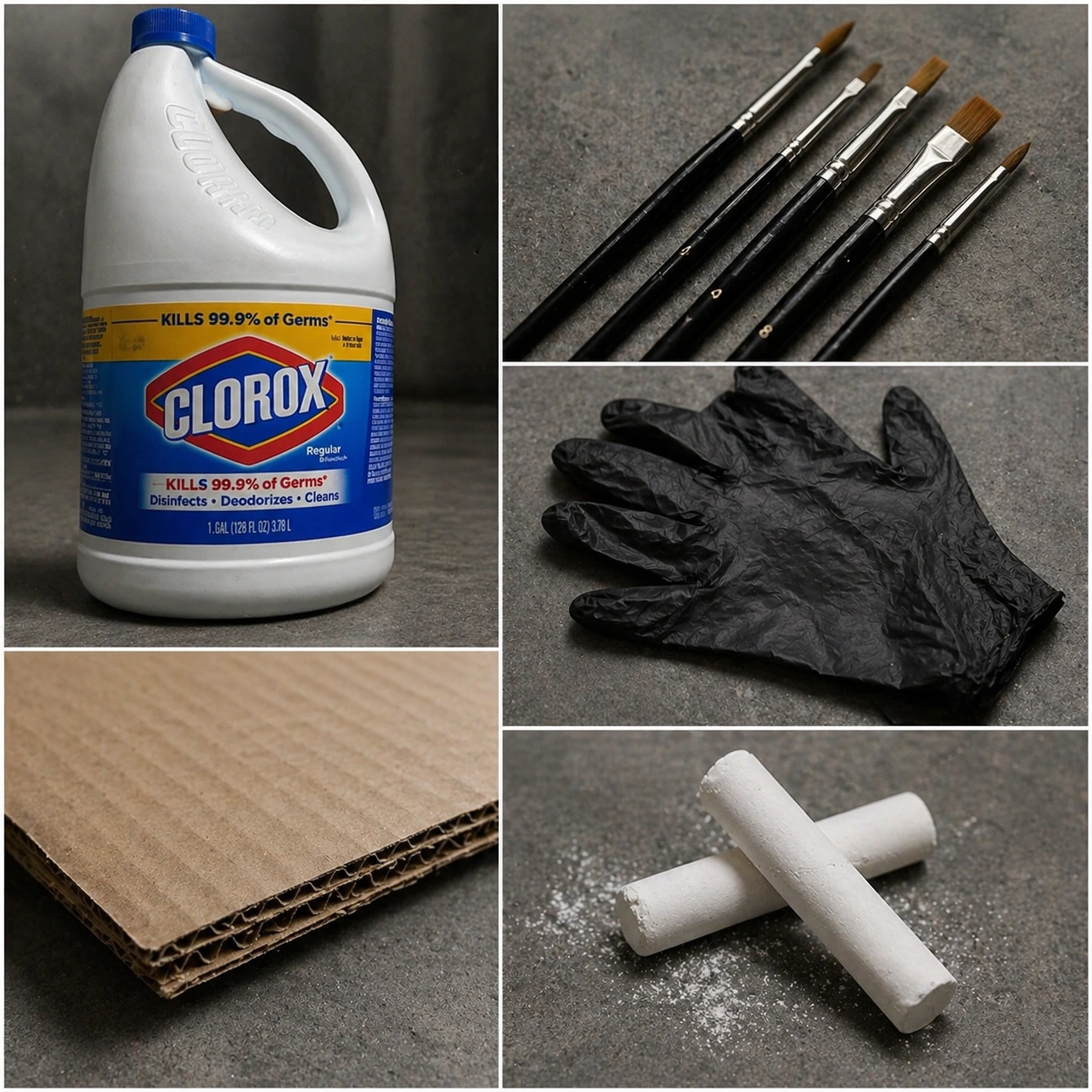
What You Need for Bleach Painting
You do not need a large studio to start painting fabric with bleach, but you do need control. The more detailed the design, the more important your tools become.
- Bleach: regular liquid household bleach is usually easier to control than thick gel bleach.
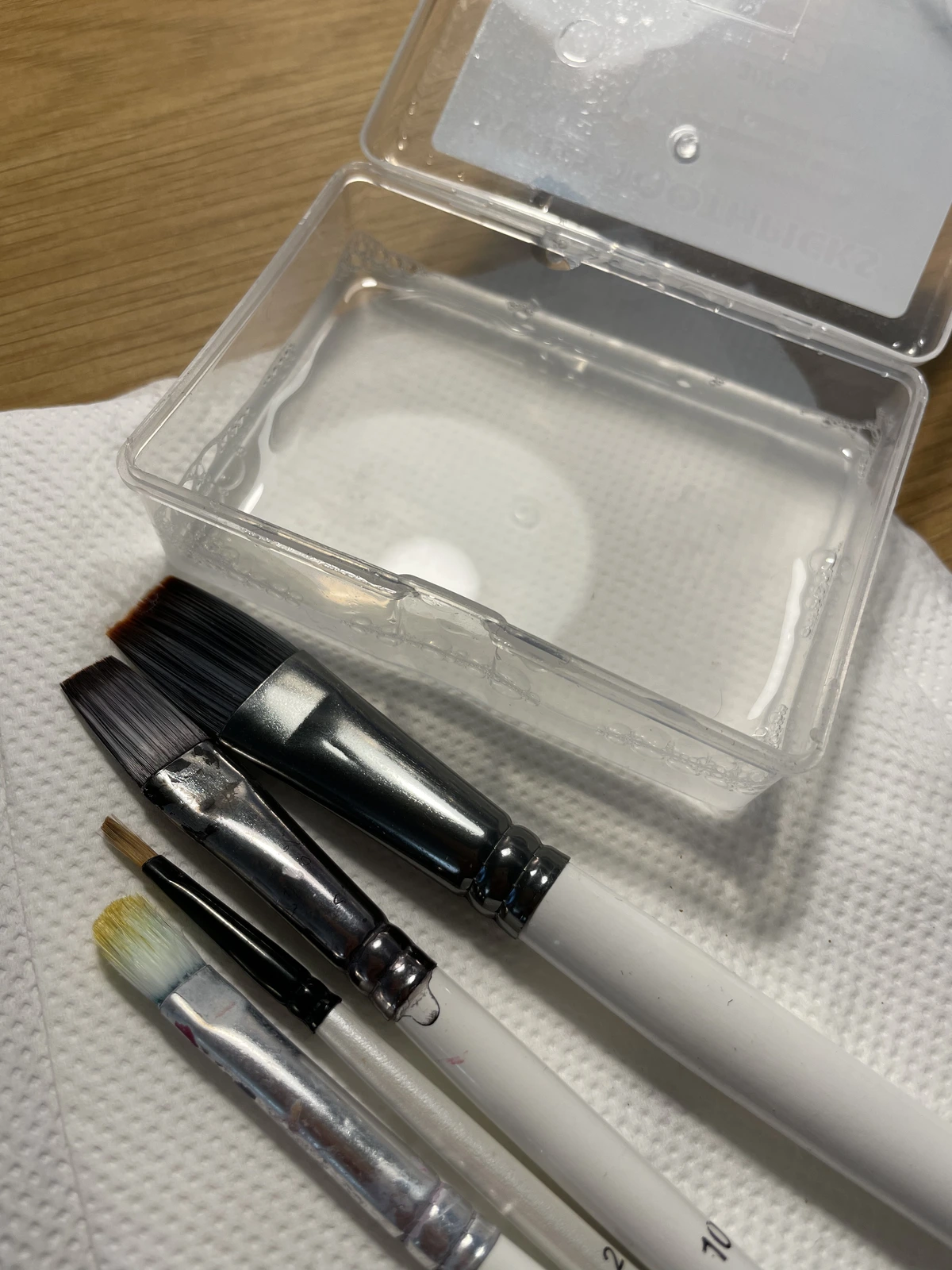
- Small brushes: useful for lines, shadows, portraits, lettering, and controlled details.
- Gloves: bleach can irritate skin, so protect your hands.
- Cardboard: place it inside shirts or hoodies so bleach does not bleed through.
- Chalk: good for sketching because it can be brushed away or washed out.
- Spray bottle: useful for mist, texture, backgrounds, and faded effects.
- Black cotton clothing: shirts and hoodies usually give the strongest beginner-friendly contrast.
What bleach to use for bleach painting?
For most bleach painting designs, regular liquid bleach is easier to use than thick toilet-cleaner style bleach. Thick bleach can spread unpredictably, sit too long in one place, and make fine details harder to control. If you want clean lines on a bleach painting shirt, use small brushes and build the reaction gradually.
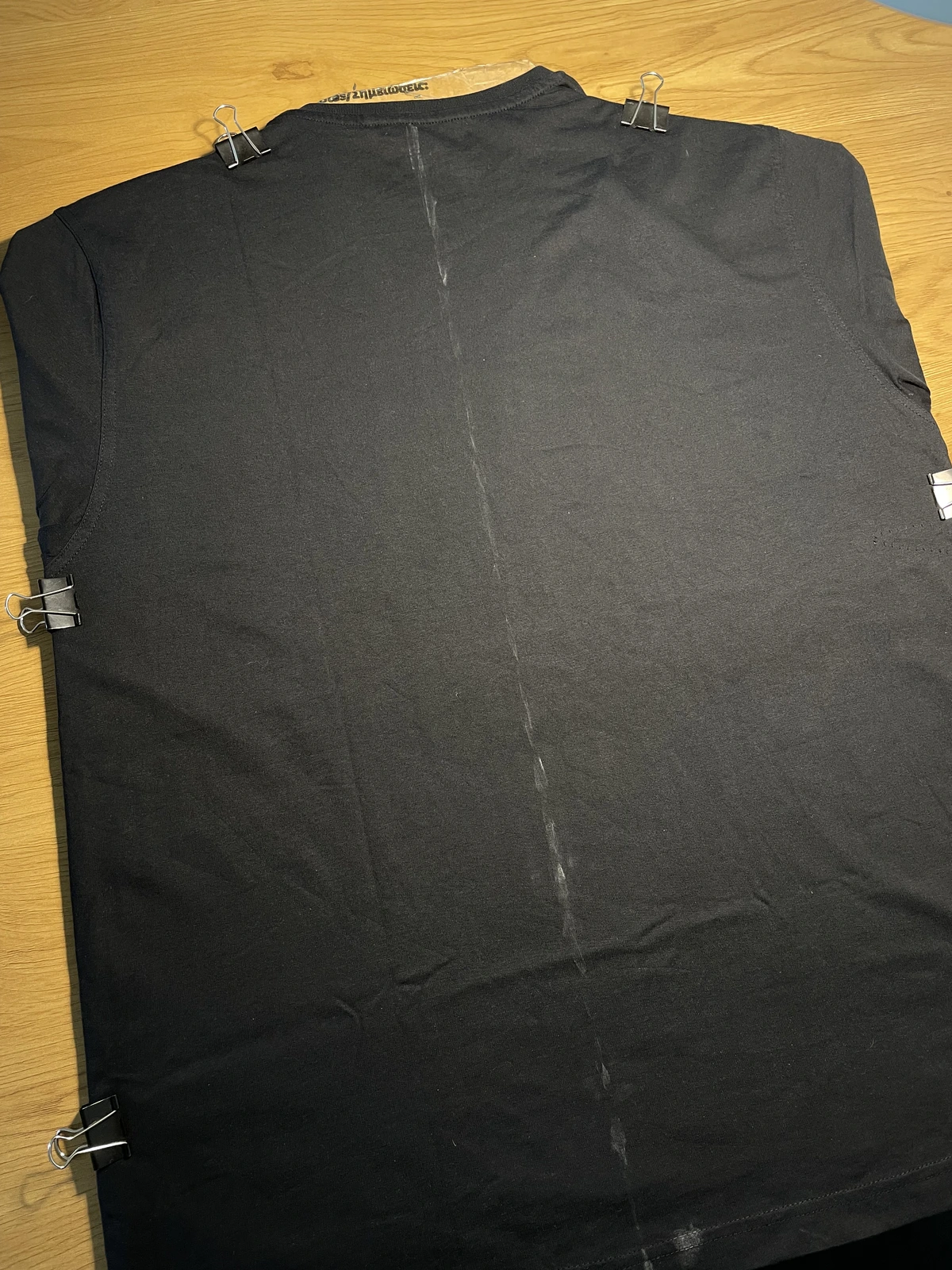
How to Paint With Bleach on Clothes
This is the short version of how to bleach paint. It is enough to understand the process, but if you want a full beginner tutorial with every step, use the detailed shirt guide linked below.
1. Prepare the clothing
Use clean, dry fabric. Smooth the garment flat and protect your working surface.
2. Insert cardboard
Place cardboard inside the shirt or hoodie to stop bleach from reaching the other side.
3. Sketch the design
Use chalk for outlines. Keep the sketch simple if this is your first bleach paint shirt.
4. Apply bleach slowly
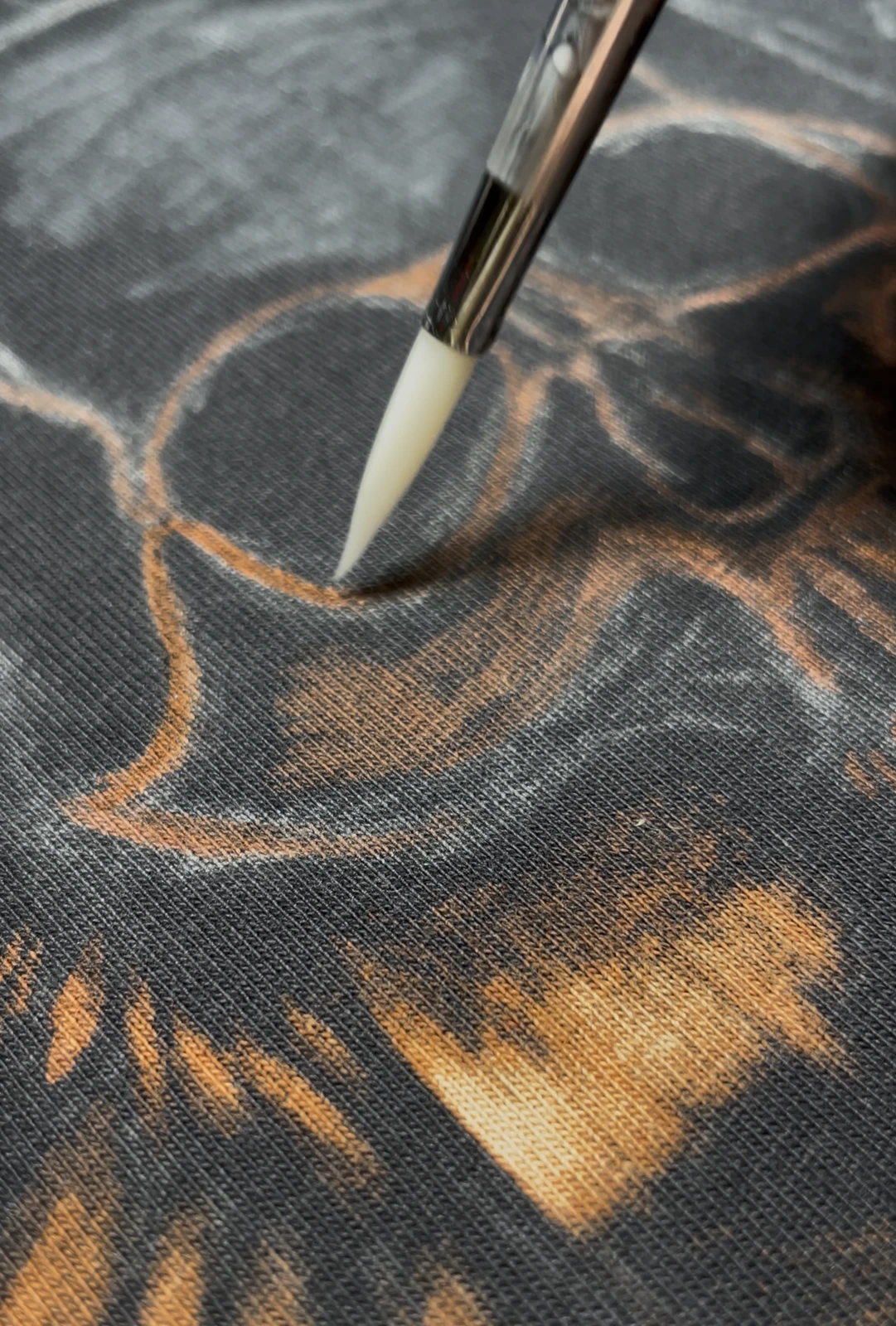
Use small brushes for control. Let the reaction develop instead of flooding the fabric.
5. Watch the reaction
The color may change within seconds or minutes depending on dye, fiber, and bleach strength.
6. Neutralize and wash
Stop the bleach reaction, rinse well, and wash the garment before wearing it.
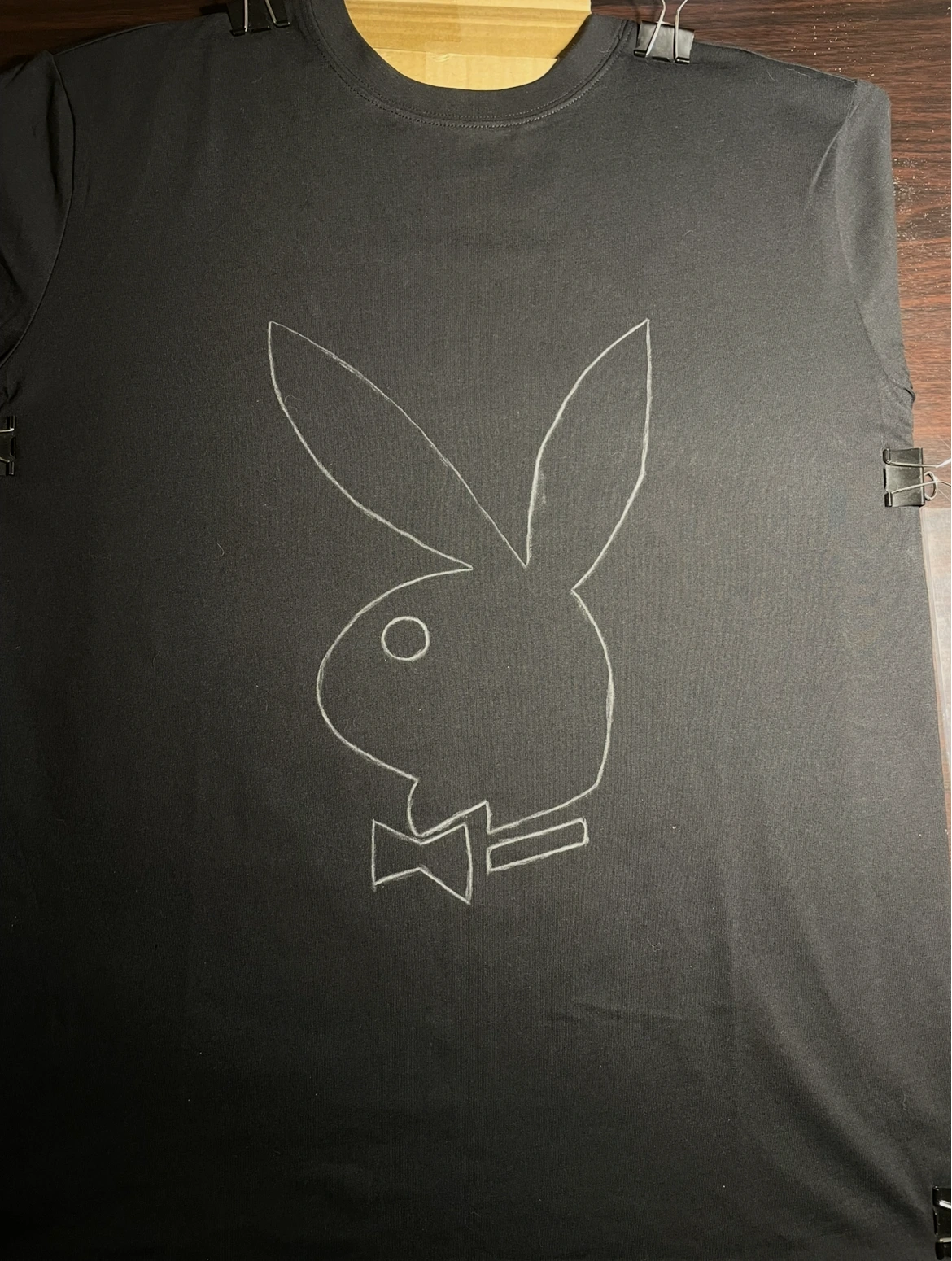
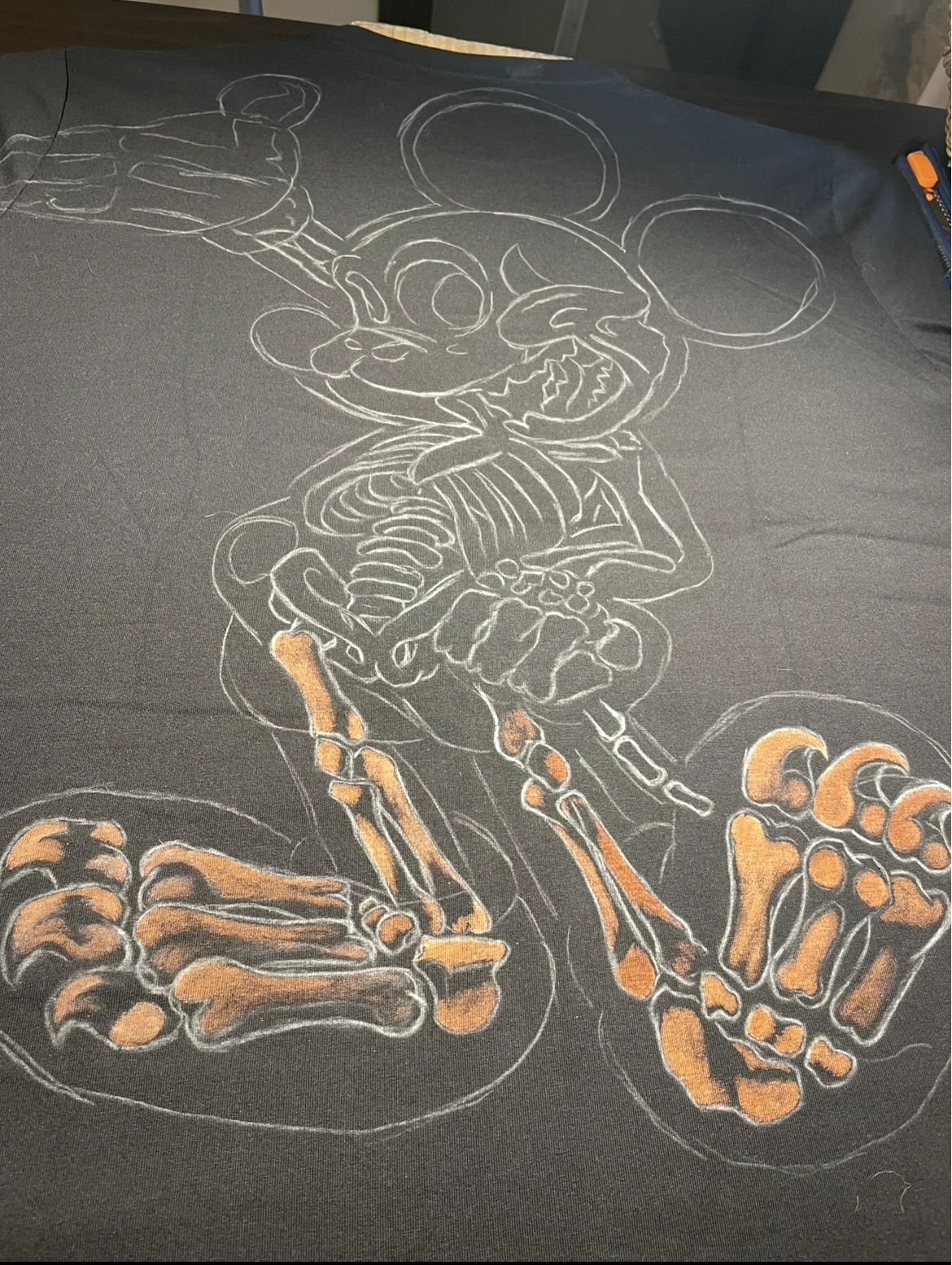
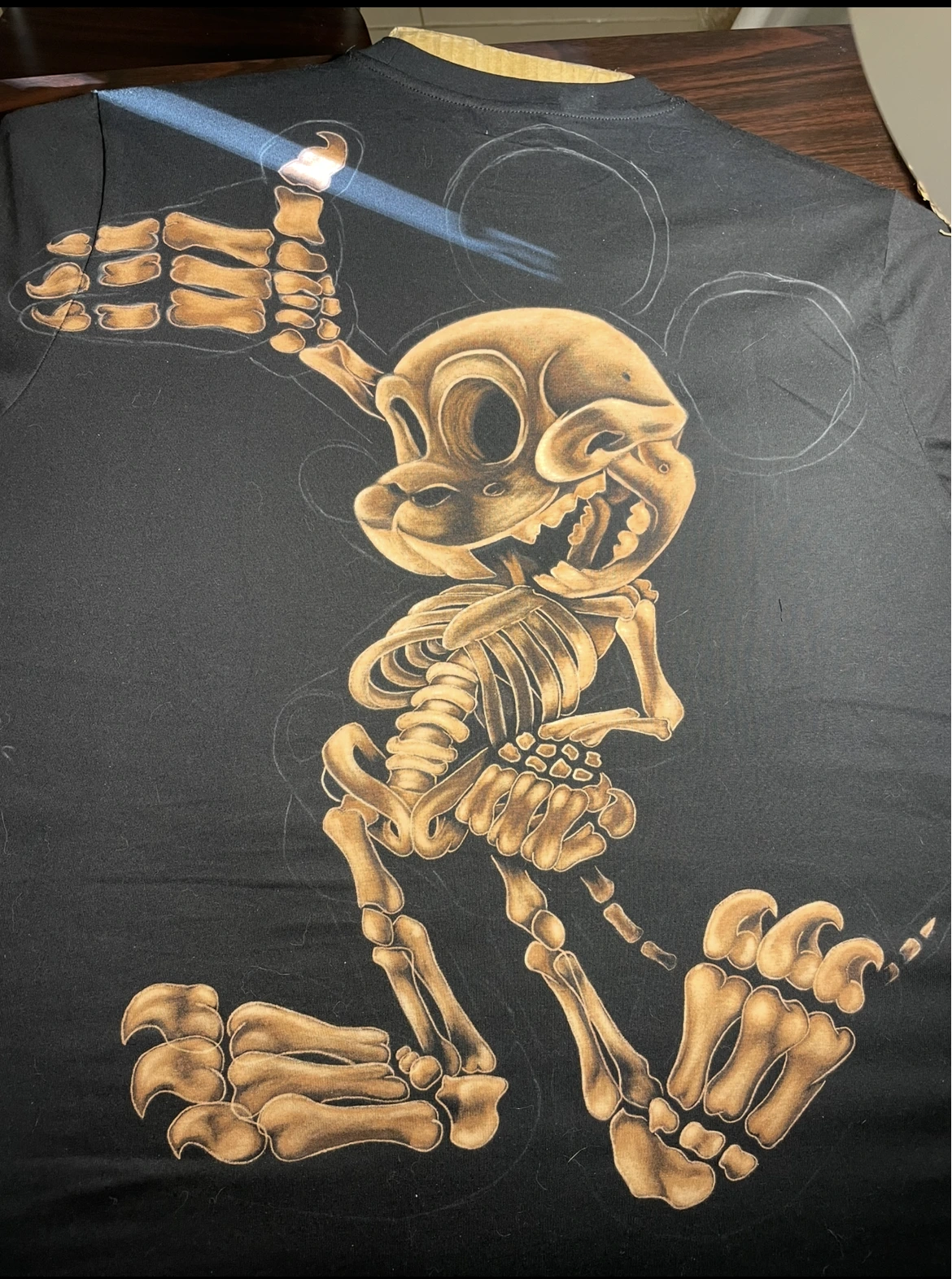
These photos come from different bleach painting projects, but together they show a realistic example of how the full bleach painting process usually develops from sketch to finished artwork.
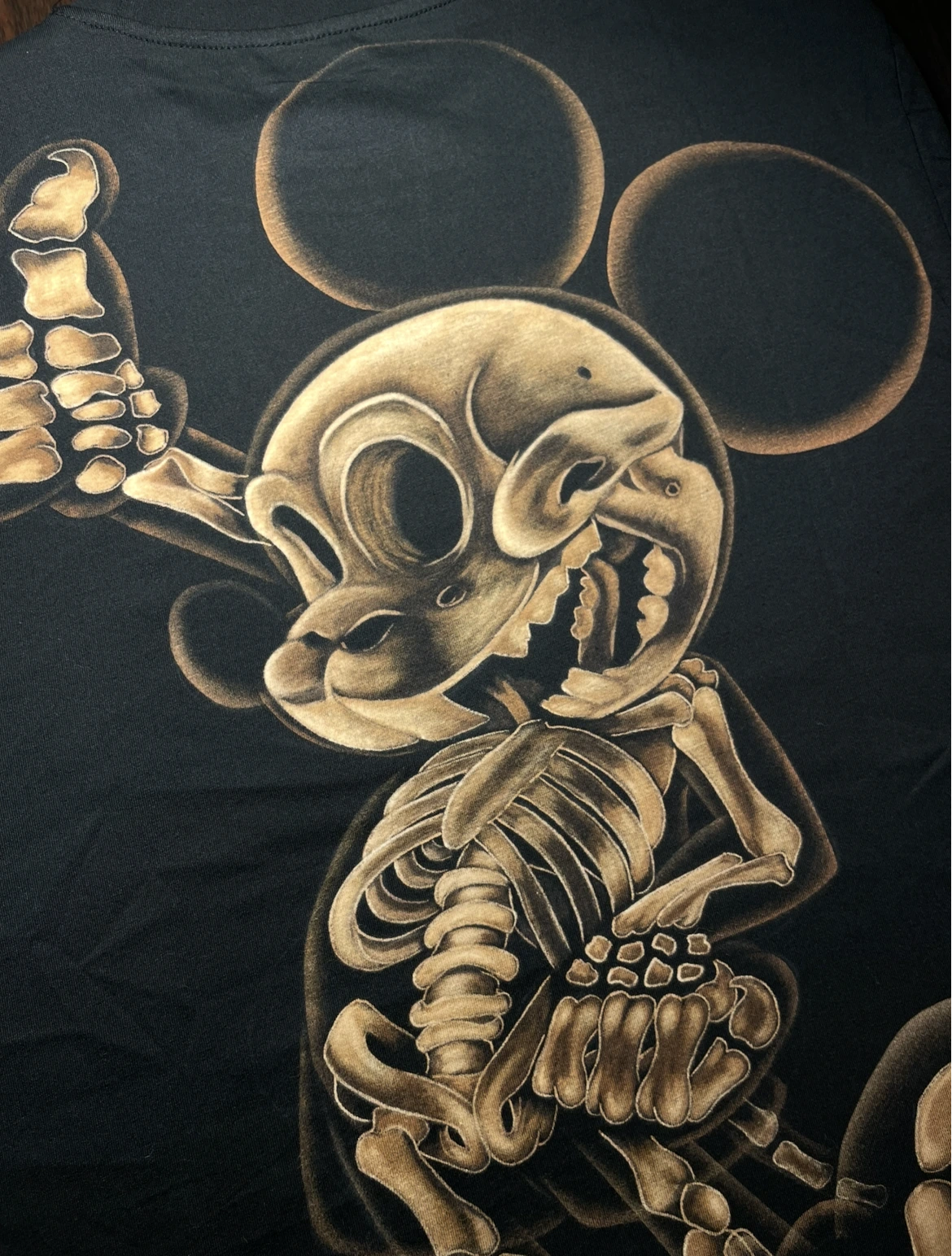
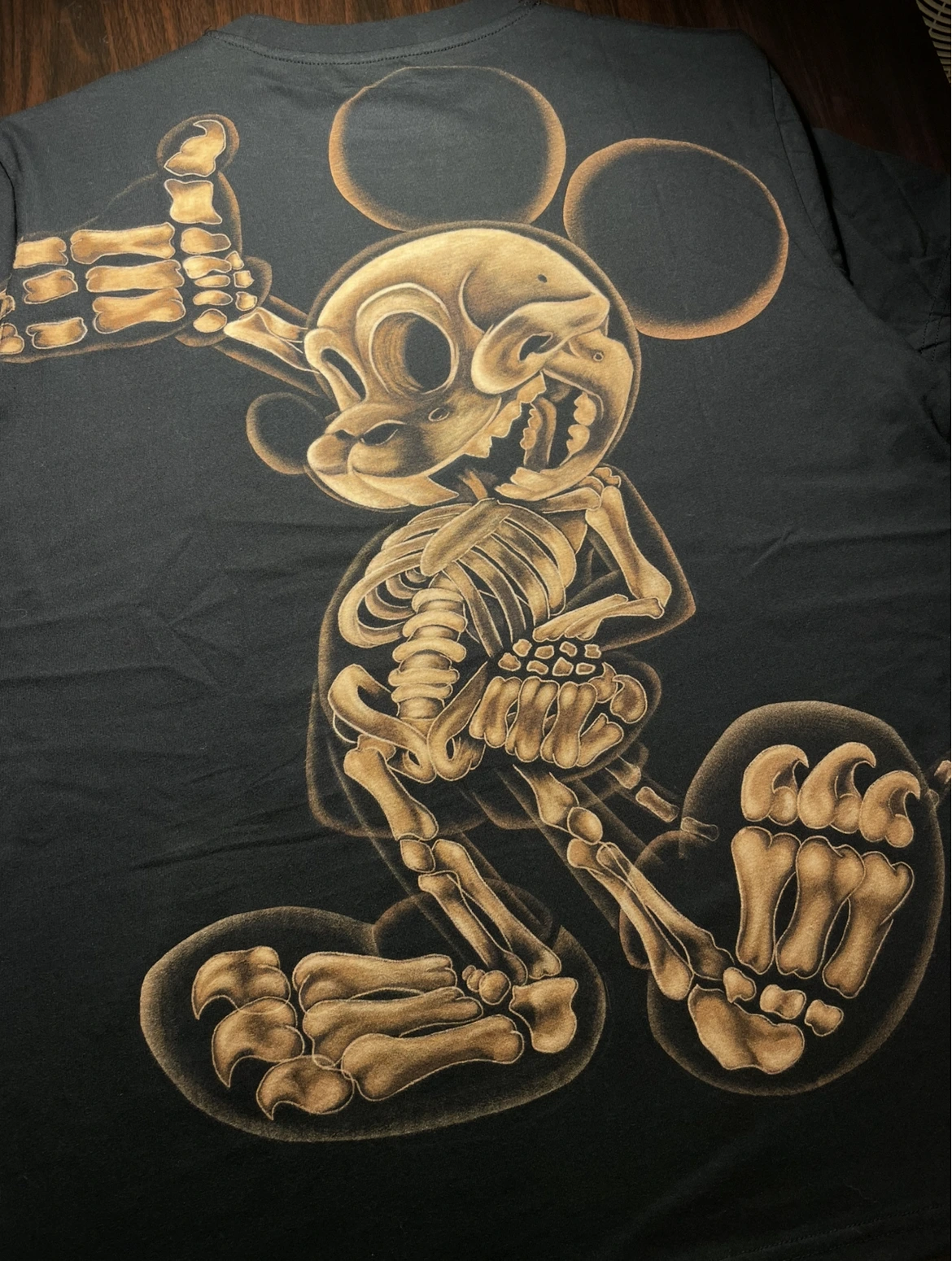
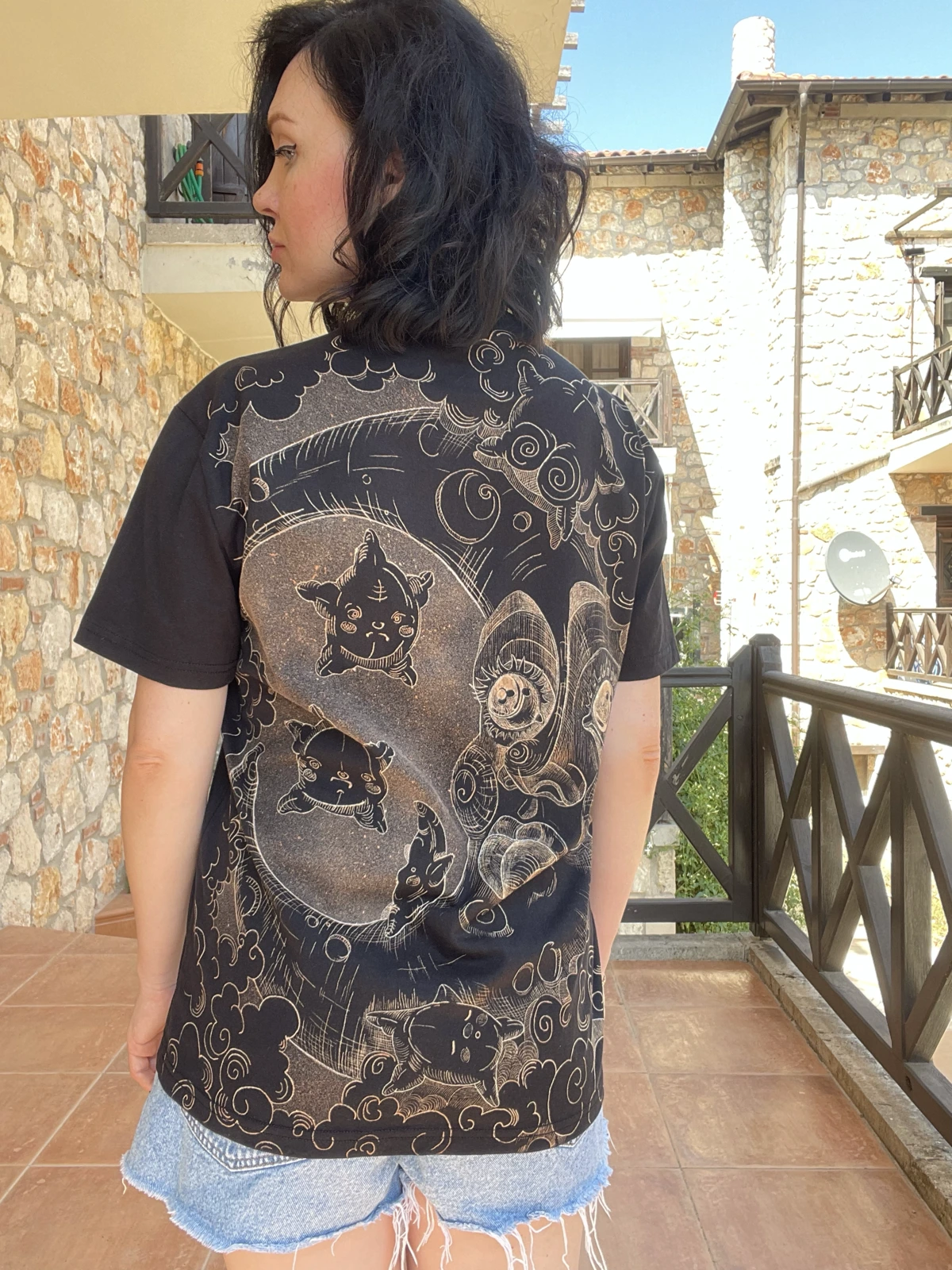
For a full step-by-step shirt tutorial, read how to make bleach art on a shirt . To stop the chemical reaction correctly, read how to neutralize bleach painting .
Best Fabrics for Bleach Painting
The best fabric for bleach painting clothing is usually cotton. Cotton absorbs bleach well, reacts visibly, and gives strong contrast on dark garments. That is why black cotton shirts and hoodies are common choices for bleach shirt painting and bleach hoodie painting.
| Fabric | Bleach Reaction | Best Use |
|---|---|---|
| Cotton | Strong, visible, often orange or cream | Shirts, hoodies, detailed designs |
| Polyester | Weak or inconsistent | Not ideal for beginners |
| Blends | Unpredictable | Test first before painting |
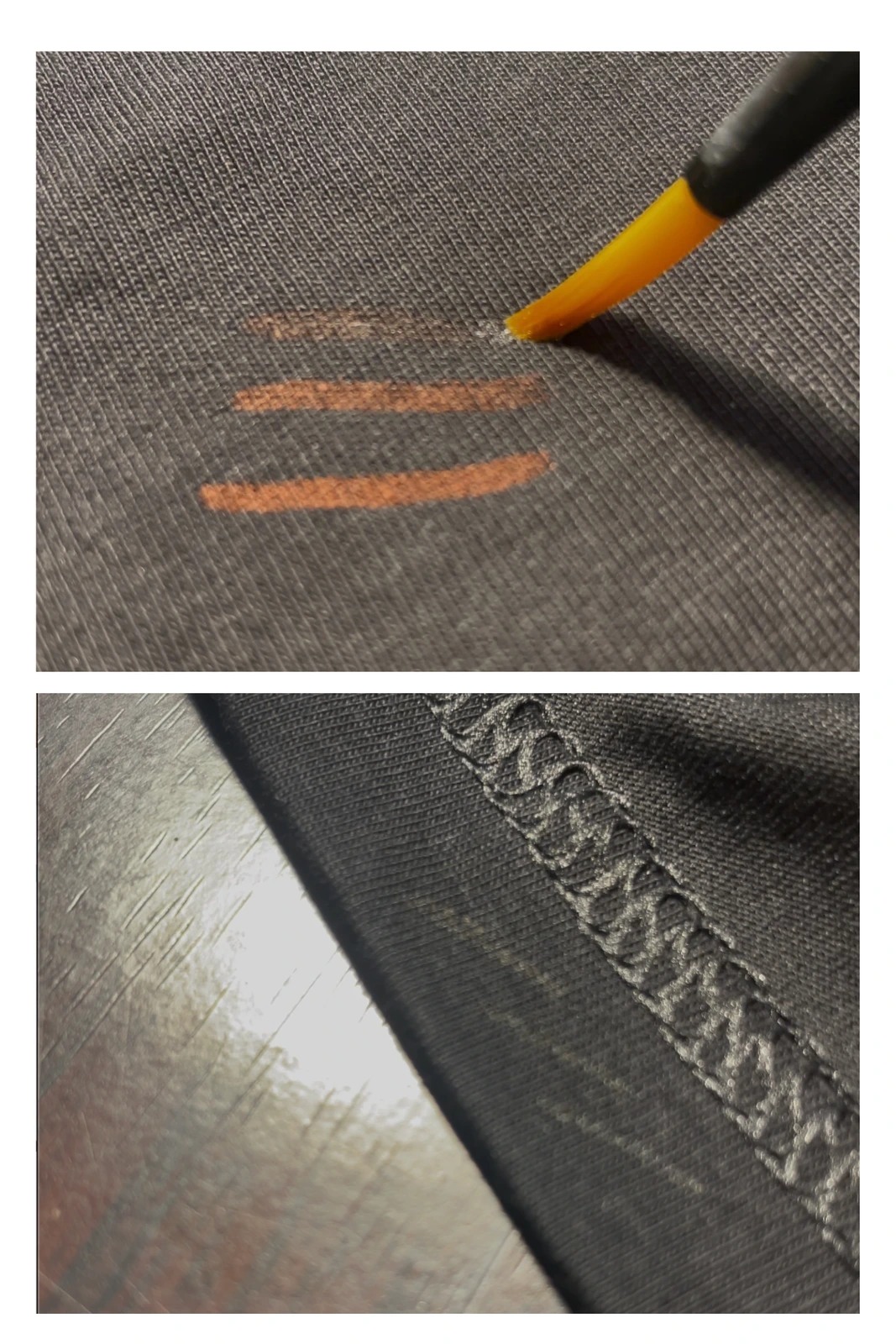
If fabric choice is your main question, continue with Best Fabrics for Bleach Art: Cotton vs Polyester .
Common Bleach Painting Mistakes
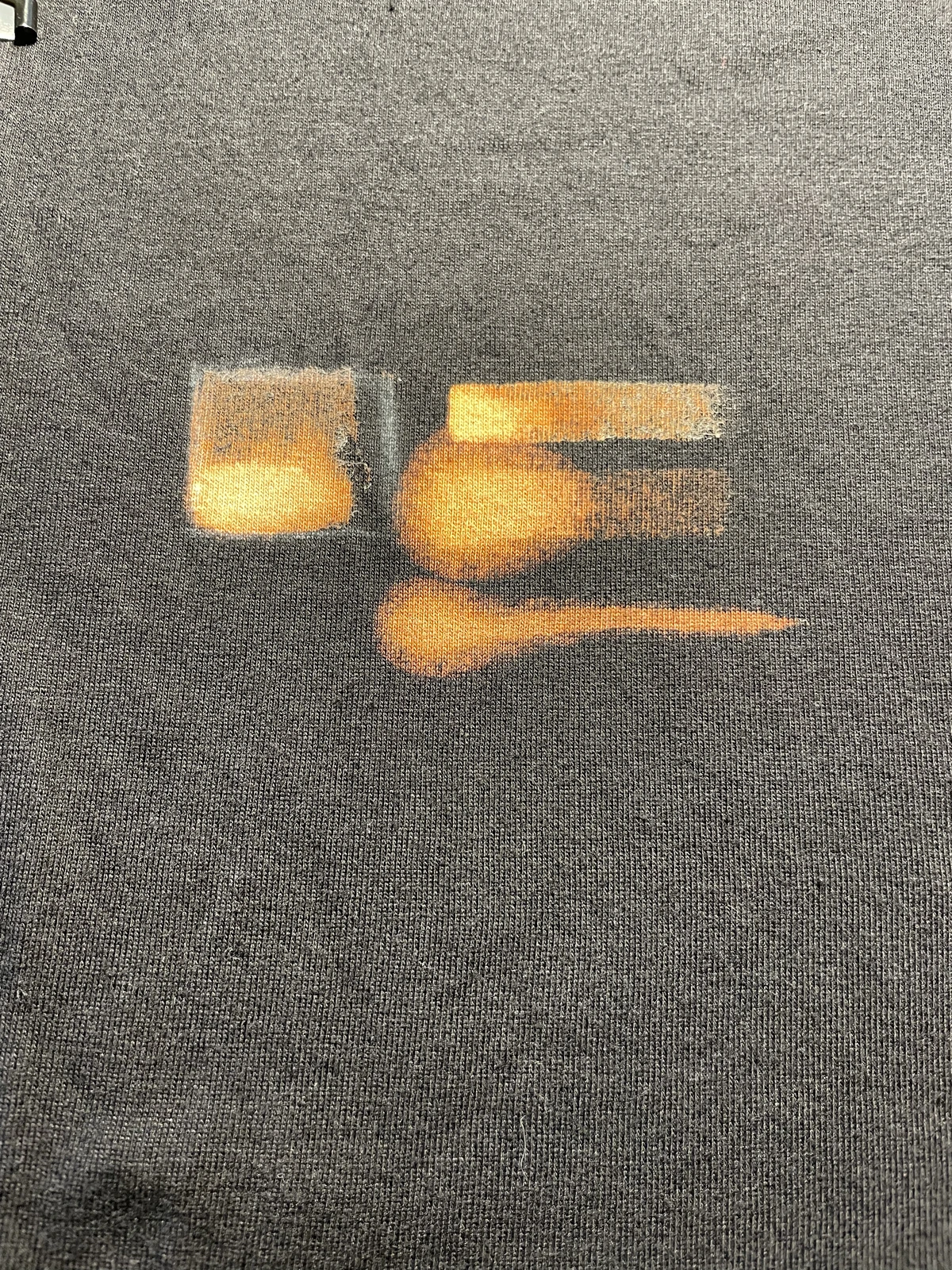
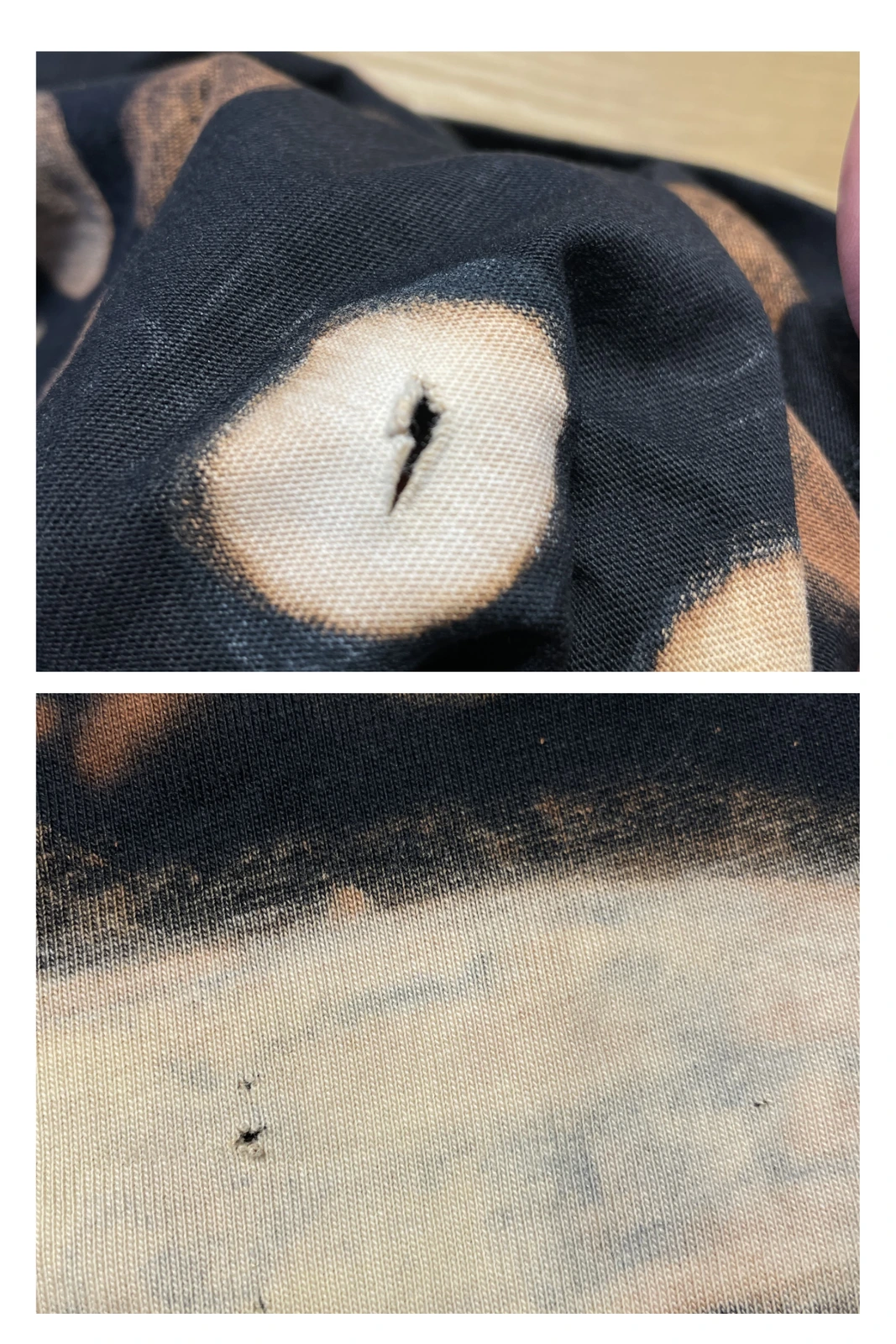
Most failed bleach painting designs do not fail because the idea was bad. They fail because the bleach was too strong, too wet, left too long, or used on the wrong fabric.
Using too much bleach
More bleach does not automatically mean better contrast. It can oversaturate the fabric, spread outside the line, and weaken the fibers.
Leaving bleach too long
Overprocessing can make fabric rough, thin, or brittle. Watch the color change and stop the reaction when the tone is strong enough.
Skipping neutralization
Rinsing is important, but for safer results you should also understand how to stop the bleach reaction properly.
Choosing the wrong fabric
Polyester and some blends may not react clearly. Always test hidden fabric before starting a large bleach painting shirt or hoodie.
Bleach Painting Ideas for Shirts and Hoodies
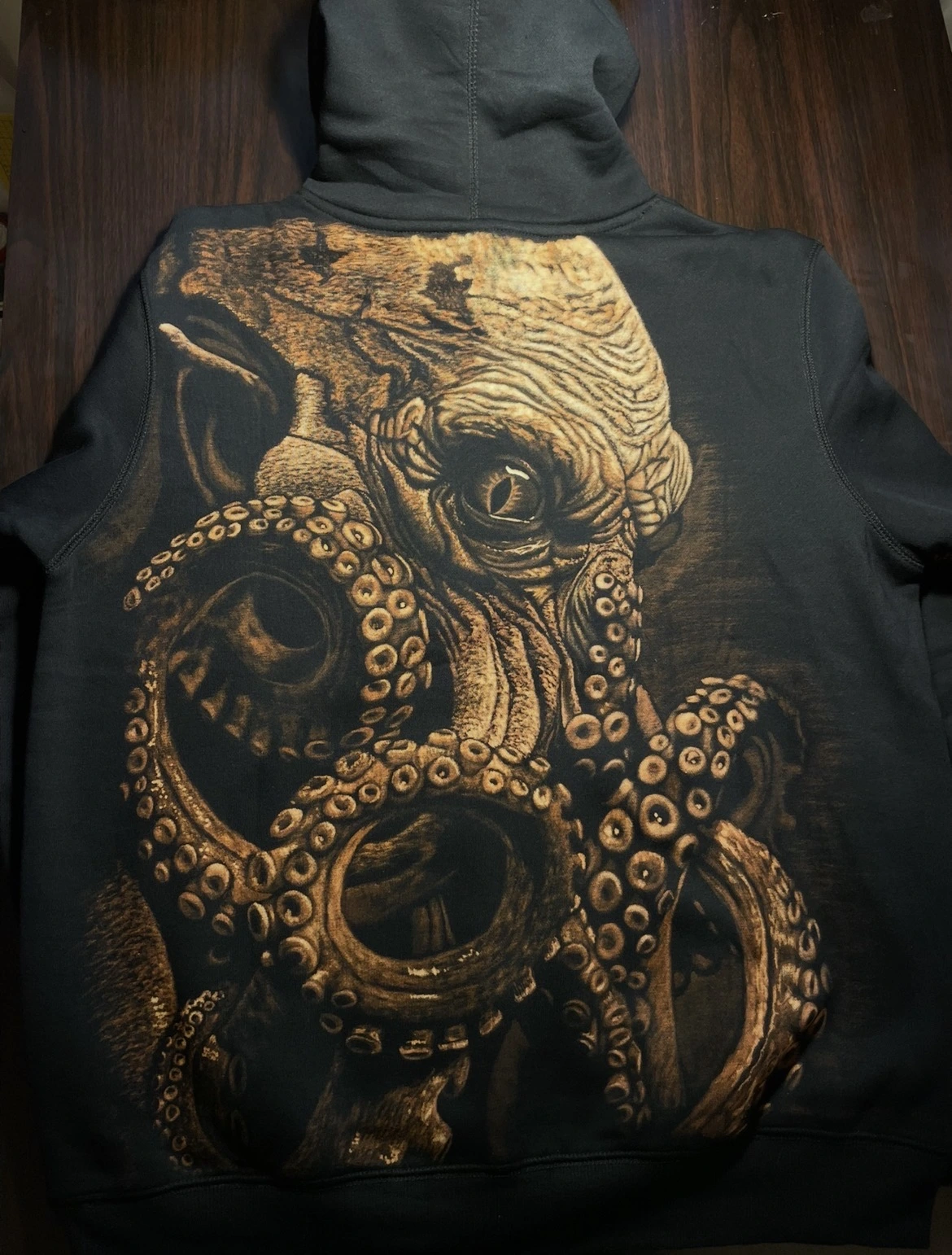
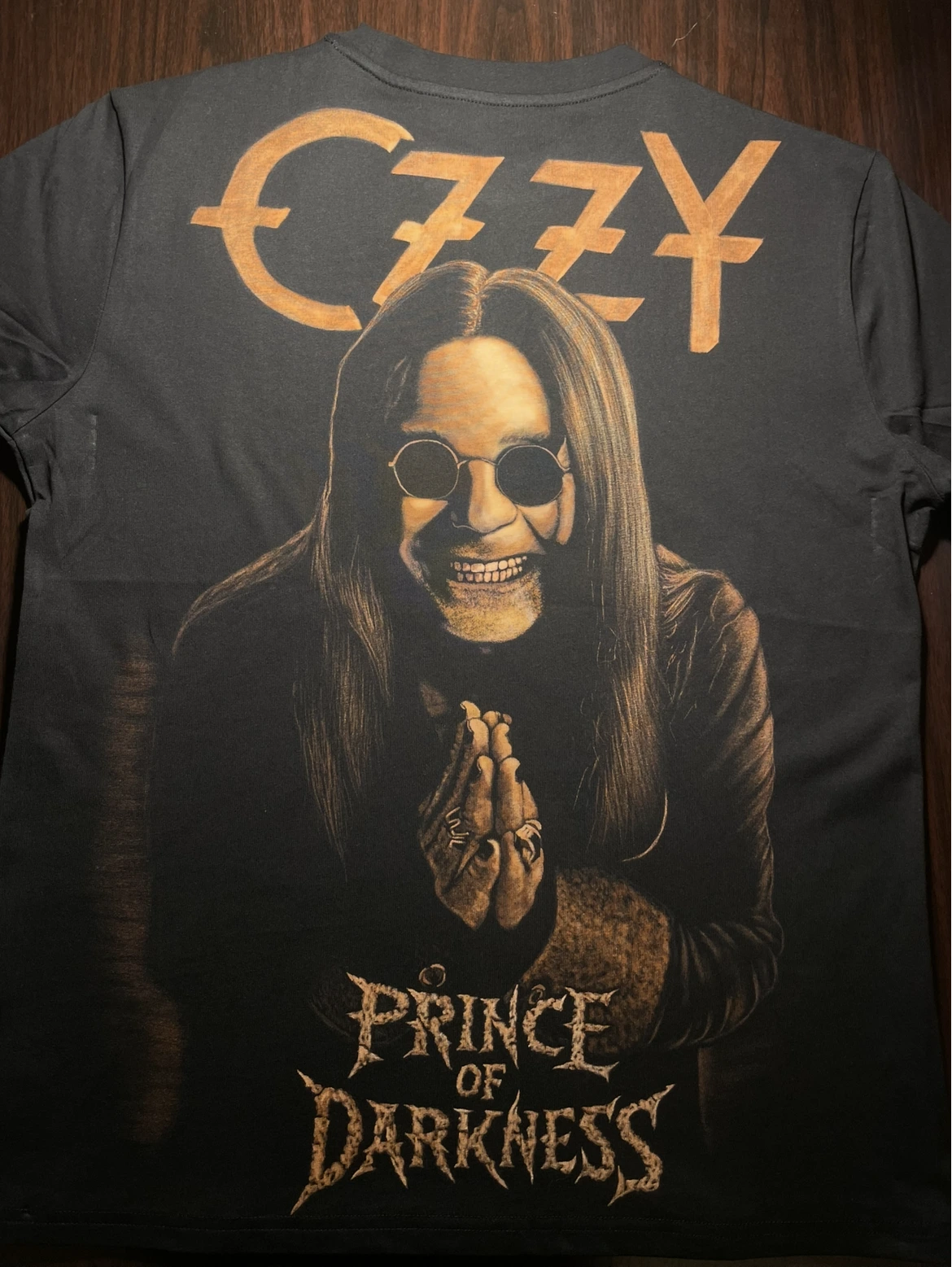
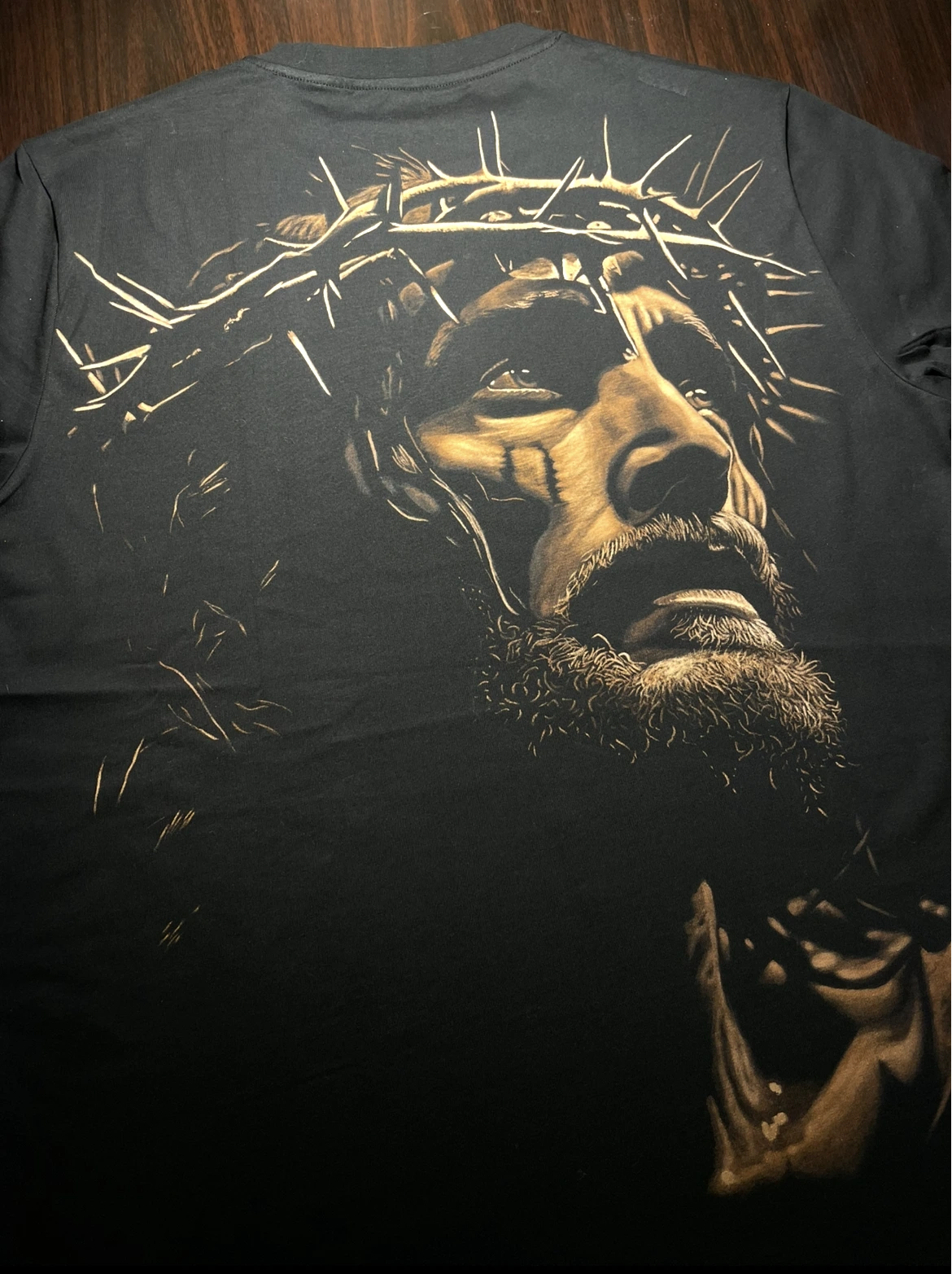
The best bleach painting ideas use the natural drama of the technique: glowing highlights, rough texture, smoky edges, and handmade imperfections. Here are strong directions for bleach painted clothes without turning this guide into a full design catalog.
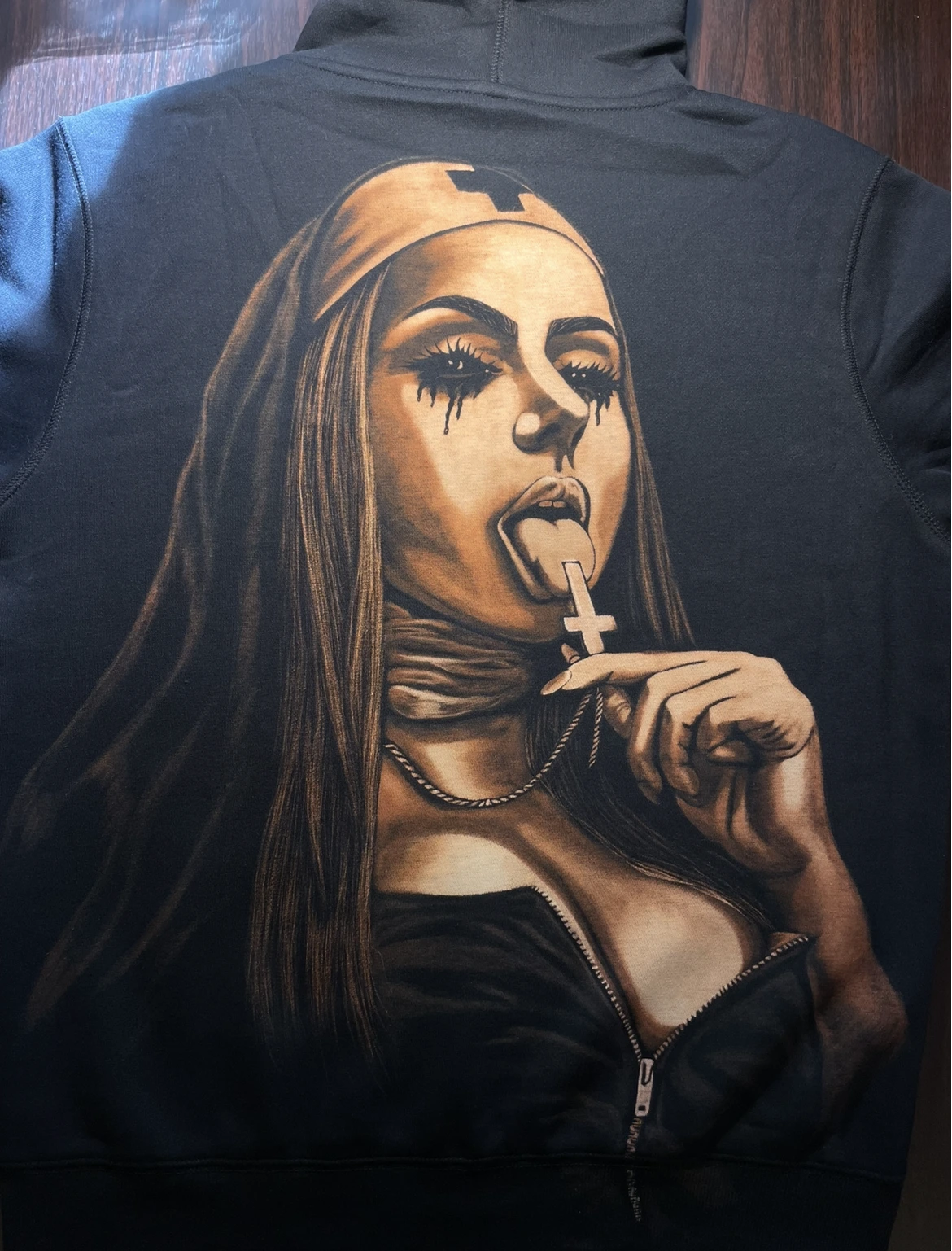
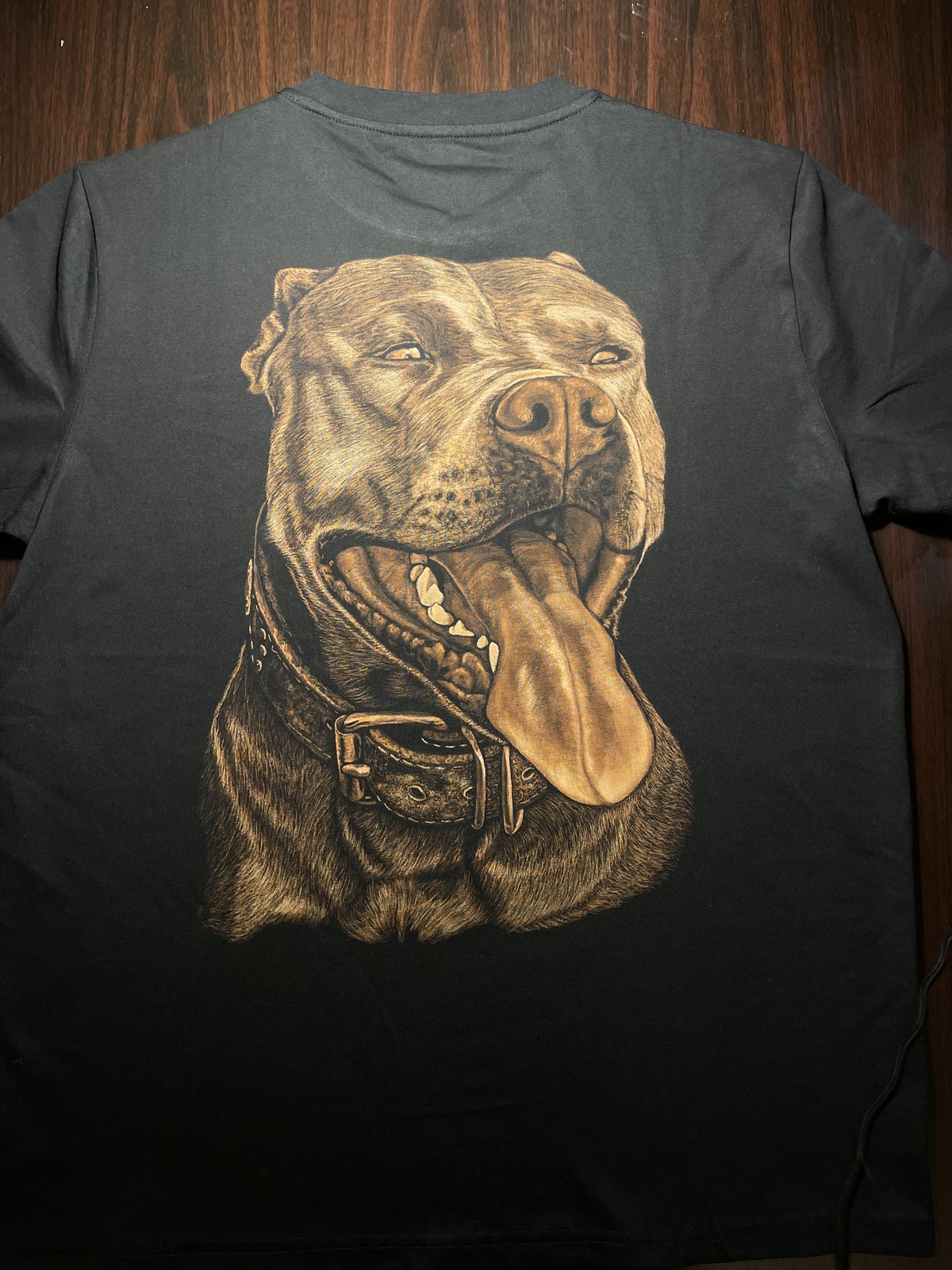
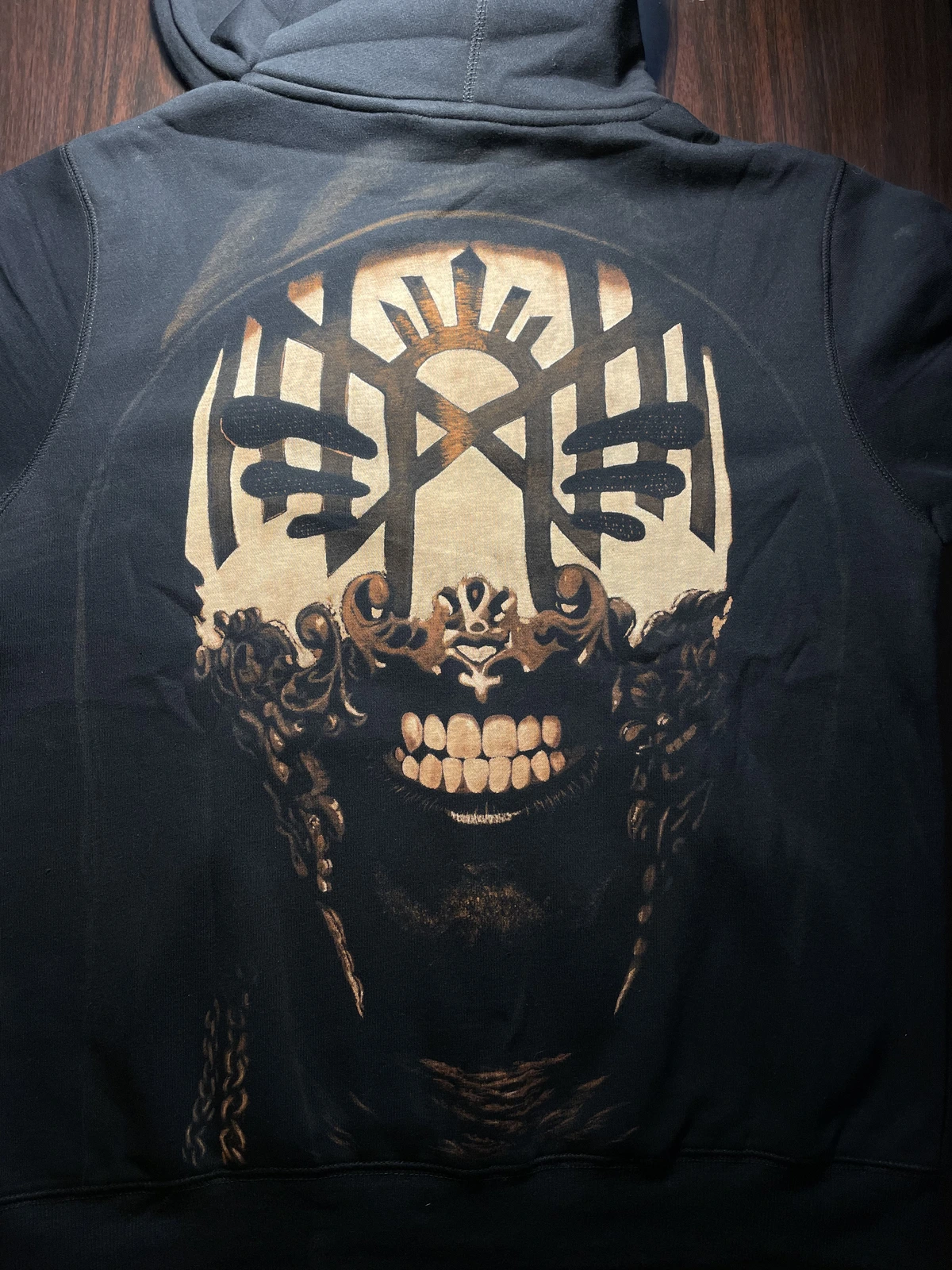
For a full list of design directions, see bleach art ideas for t-shirts and hoodies .
Does Bleach Painting Last?
Yes, bleach painting can last because the design is not printed on top of the garment. Bleach changes the color of the fibers themselves. That means a bleach painted shirt will not peel like vinyl and will not crack like a thick print.
But lasting well depends on the fabric, how much bleach was used, whether the reaction was stopped properly, and how the clothing is washed. Professional bleach art usually lasts better because the artist works with controlled layers, avoids overprocessing, and understands how different fabrics react.
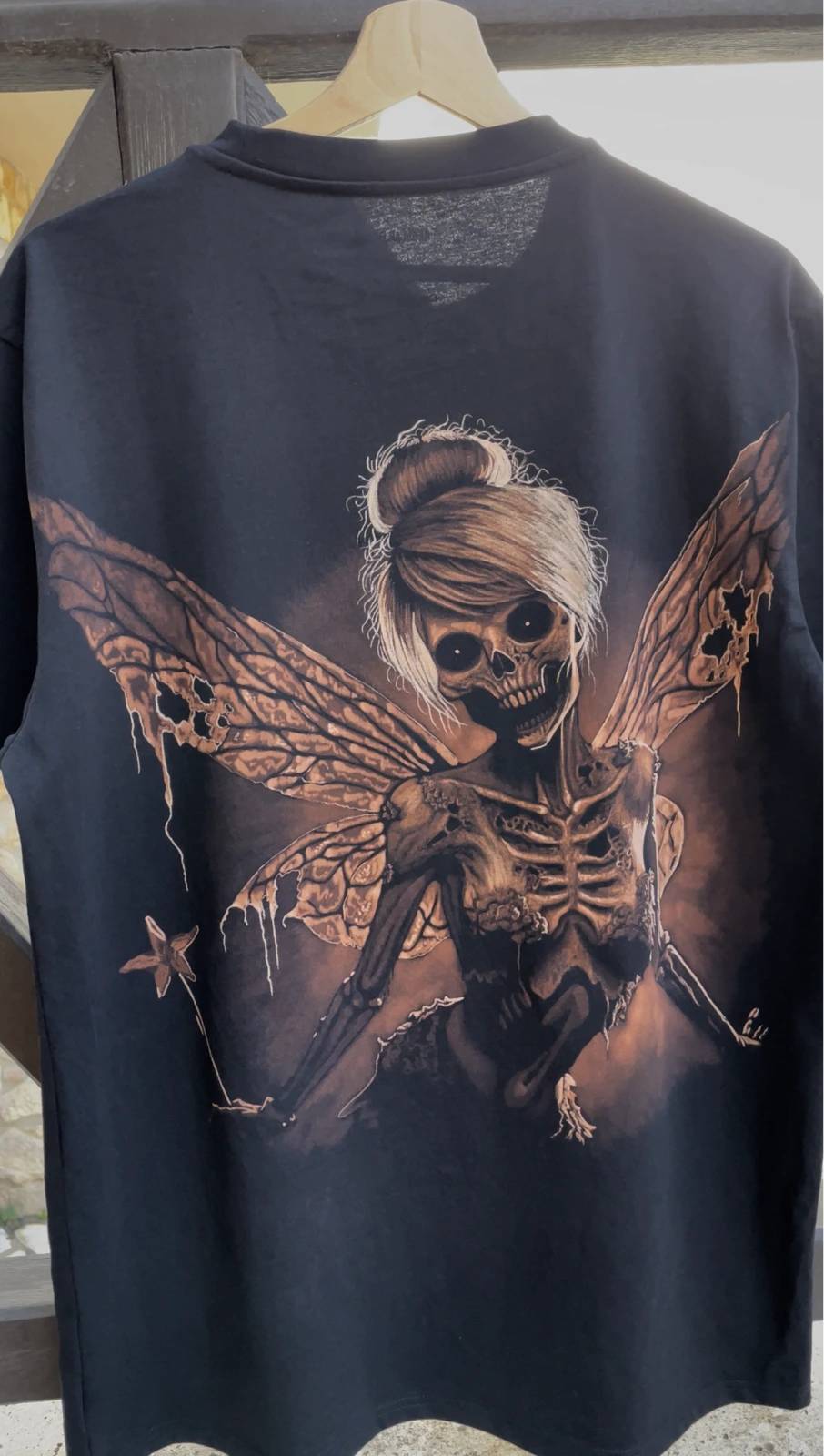
For a deeper answer, read does bleach art wash out?
How to Wash Bleach Painted Clothes
Washing bleach painted clothes is mostly about protecting the fabric. The design itself is a color change, but the garment still needs gentle care. Wash inside out, use cool water, avoid harsh detergents, and do not use bleach again after the artwork is finished.
- Wash bleach painted clothes inside out.
- Use cool or cold water.
- Avoid aggressive stain removers on the artwork.
- Air dry when possible.
- Do not re-bleach the finished design.
For the complete care guide, read how to wash bleach art clothing .
DIY Bleach Painting vs Professional Bleach Art
DIY bleaching shirts is exciting because the technique is accessible. You can make your first bleach painted shirt with simple tools and a black cotton garment. But professional bleach art is different from a quick experiment.
| DIY Bleach Painting | Professional Bleach Art |
|---|---|
| Good for experiments, simple graphics, and learning fabric reaction. | Better for portraits, detailed designs, controlled contrast, and custom commissions. |
| Mistakes are common, especially with timing and fabric choice. | Experience helps avoid holes, blurry edges, and weak contrast. |
| Usually one or two simple bleach layers. | Often built with controlled layering, highlights, shadows, and composition planning. |
If you are deciding whether to make something yourself or order a custom piece, read DIY Bleach Art vs Professional Custom Clothing .
Details That Make Bleach Painted Clothes Look Handmade
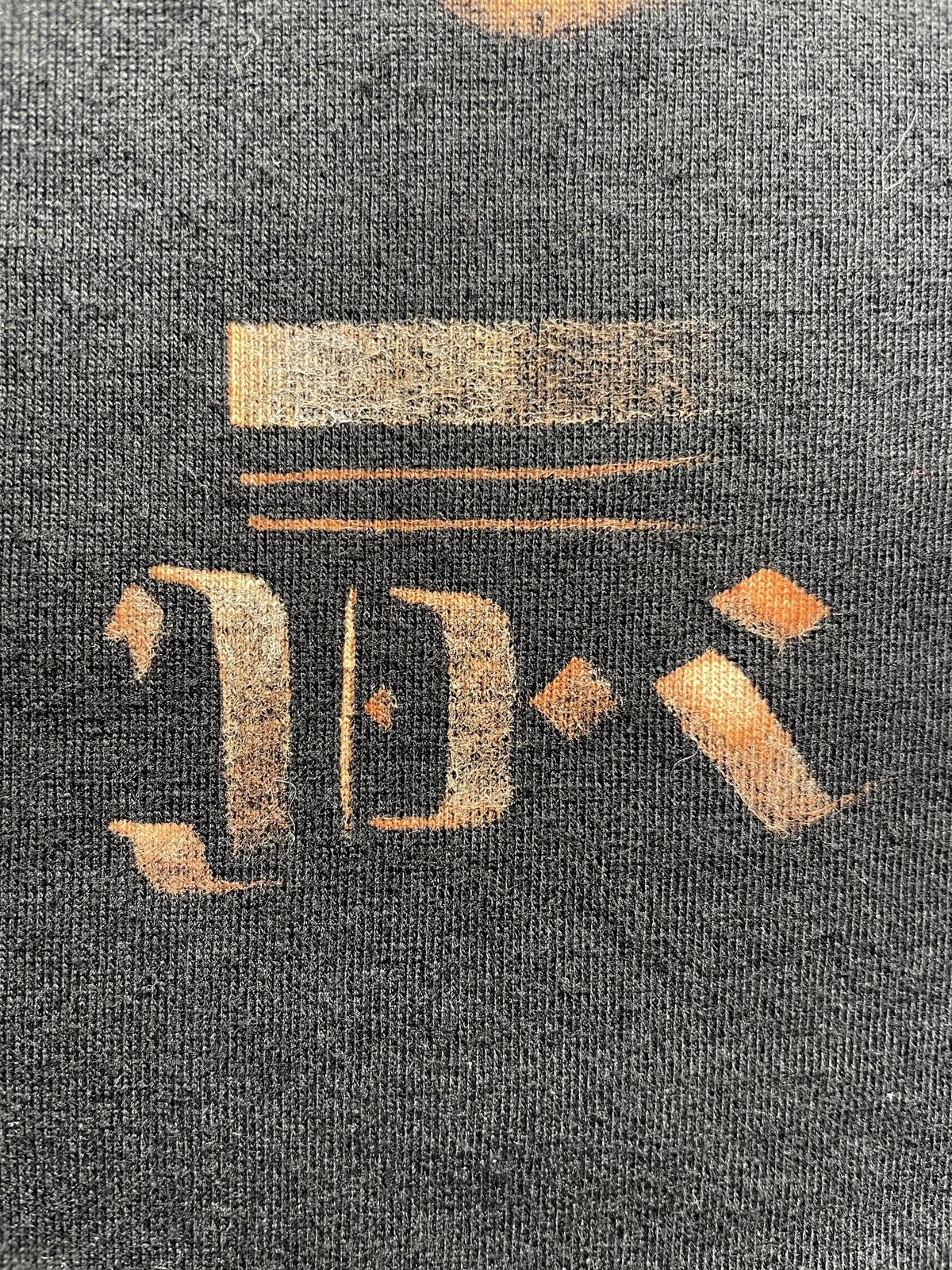
The beauty of bleach painted clothes is in the details: the edge of a brush stroke, the orange reaction inside black cotton, the tiny uneven lines, and the way the artwork becomes part of the garment instead of sitting on top of it.
Safety Notes Before Painting Clothes With Bleach
Bleach can irritate skin, damage surfaces, weaken fabric, and release strong fumes. Work in a ventilated area, wear gloves, protect your table, and keep bleach away from children, pets, and other chemicals.
Never mix bleach with ammonia, vinegar, acids, or other cleaning products. Test fabric first, use small amounts, and stop the reaction before the garment becomes damaged.
FAQ about bleach painting on clothes
What bleach is best for bleach painting?
Regular liquid household bleach is usually best for bleach painting because it is easier to control with brushes. Thick bleach can work for some textures, but it is harder to use for clean details and precise lines.
Does bleach painting work on polyester?
Sometimes, but polyester usually reacts much weaker than cotton. Many polyester garments barely change color, so black cotton shirts and hoodies are more reliable for strong bleach painting contrast.
Does bleach painting wash out?
No. Bleach painting changes the dye inside the fabric itself, so the design does not wash out like surface paint. However, the clothing still needs proper washing and care to protect the fabric over time.
Can bleach damage fabric?
Yes. Too much bleach or leaving bleach on the fabric too long can weaken fibers, create holes, rough texture, or faded areas outside the design.
How long should bleach stay on fabric?
It depends on the fabric, dye, bleach strength, and temperature. Some black cotton reacts within seconds, while thicker hoodies can take longer. Watch the color reaction instead of relying only on timing.
Can you bleach paint hoodies?
Yes. Bleach painted hoodies are popular because the heavier fabric gives the artwork strong texture and depth. Always place cardboard inside the hoodie before painting.
Can you bleach paint jeans?
Yes, denim can be bleach painted, but it reacts differently from cotton jersey fabric. The thicker weave changes how bleach spreads and how sharp the details appear.
Why does black fabric turn orange?
Many black fabrics contain multiple dye tones. When bleach breaks down the dark dye, warm pigments often appear first, creating orange, rust, copper, or cream colors.
Is bleach painting easy for beginners?
Simple bleach painting is beginner-friendly, especially on black cotton shirts. More advanced bleach painting art like portraits or detailed shading requires practice and careful control.
Is bleach painting the same as fabric paint?
No. Fabric paint adds color on top of the clothing, while bleach painting removes or changes the dye inside the fabric itself. That is why bleach painted clothes have a more integrated handmade look.
Final Thoughts: Bleach Painting Is Not Just a DIY Trick
Bleach painting starts with a simple idea: use bleach to make marks on clothing. But the more you work with it, the more you realize it is not just a craft shortcut. It is a real fabric art technique with timing, chemistry, composition, mistakes, texture, and personal style.
A good bleach painted shirt or hoodie does not look like a print. It looks like the fabric has been changed by hand. That is what makes handmade bleach art feel unique: the reaction is permanent, the surface is imperfect, and every piece carries the trace of the process.
Looking for handmade bleach art clothing or a custom design?
At HandPaintedCloth, bleach painted clothes are created by hand: dark illustrations, custom hoodies, handmade shirts, portraits, gothic designs, and one-of-a-kind bleach art clothing.
Related bleach art guides
Explore more handmade bleach art inspiration, custom clothing ideas, and detailed guides about bleach painted shirts, hoodies, and fabric designs.
Bleach Art on Clothing: Complete Guide
Learn how bleach art works on shirts, hoodies, and fabric with real handmade examples and techniques.
Handmade Bleach Art Clothing vs Printed Apparel
See the difference between real handmade bleach painting and mass-produced printed clothing.
Custom Bleach Art T-Shirts
Explore custom bleach painted t-shirts with portraits, gothic artwork, and handmade designs.
Custom Bleach Art Hoodie Designs
Discover handmade bleach painted hoodies with dark artwork, textures, and custom illustrations.
Bleach Designs on Fabric
Creative bleach painting ideas for shirts, hoodies, fabric textures, and handmade clothing projects.
Where to Buy Bleach Art Clothing
A guide to finding real handmade bleach art clothing instead of mass-produced printed imitations.